![[등록] 2026-09-01 15:48:31](/support/_updata/banner2/tl181982910_6749.png)


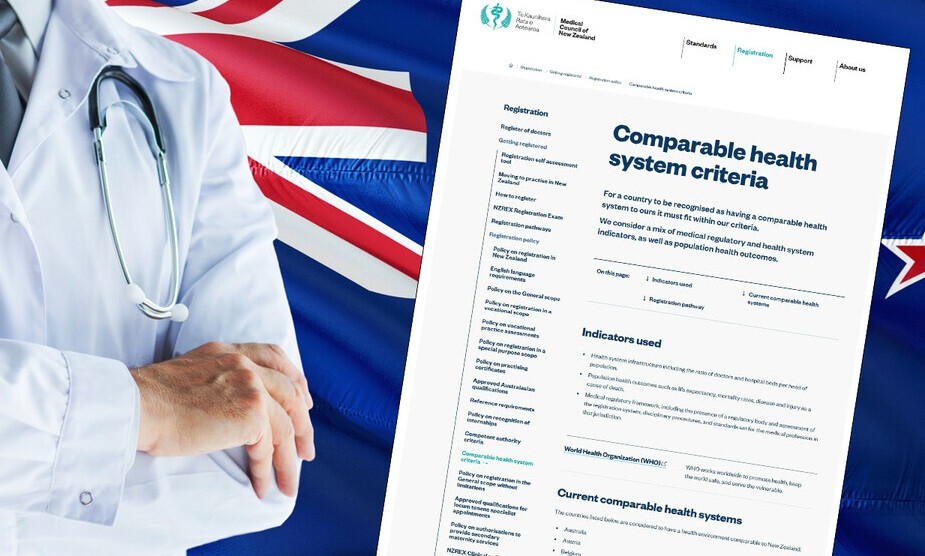
Wellington, New Zealand – In a significant move to address its ongoing healthcare workforce shortages, New Zealand has streamlined the process for South Korean and Japanese doctors to practice in the country. The Medical Council of New Zealand (MCNZ) officially recognized South Korea and Japan on June 4 (local time) as having "Comparable Health Systems," a designation that exempts their licensed medical professionals from the need to pass New Zealand's local medical registration examination. This policy change is expected to significantly ease the path for foreign-trained doctors into the New Zealand healthcare system, particularly in primary care.
This recognition adds South Korea and Japan to a list of 26 countries whose medical systems are deemed comparable by the MCNZ, an independent regulatory body overseeing medical registration in New Zealand. Prior to this decision, South Korean doctors, like those from "Non-Comparable Health System" countries, were required to pass the stringent New Zealand Registration Examination (NZREX Clinical).
The NZREX Clinical examination has historically posed a considerable barrier. Doctors from non-comparable systems also face demanding eligibility criteria, including graduation from a medical school listed in the World Directory of Medical Schools recognized by the World Federation for Medical Education (WFME), and achieving high scores in English language proficiency tests (IELTS 7.5 or Occupational English Test (OET) B). With the new designation, South Korean doctors will only need to undergo a qualification assessment by the MCNZ. While they will be required to work under supervision for the initial 12 months, this is a marked improvement from the two-year path, which includes a one-year internship (House Officer) after passing the NZREX Clinical, previously required for independent practice.
Addressing the GP Shortage: A Strategic Imperative
The New Zealand government anticipates this measure will significantly alleviate the critical shortage of General Practitioners (GPs) in primary care. Minister of Health, Simeon Brown, stated on June 3 (local time) that the government is committed to supporting internationally trained doctors to more easily enter the primary healthcare workforce. To this end, an investment of NZD 79 million (approximately 66.7 billion Korean Won) has been allocated. This funding will also support the training of 100 doctors from non-comparable health systems within GP clinics, underscoring a broader strategy to diversify the medical workforce.
The demand for GPs in New Zealand has been a persistent issue. Many medical graduates from New Zealand's two medical schools—the University of Auckland and the University of Otago, which offer a six-year Bachelor of Medicine and Bachelor of Surgery (MBChB) — often opt for specialist training or seek opportunities in countries like Australia, rather than entering primary care. This trend has exacerbated the existing shortfall, creating a strong impetus for international recruitment.
Prudence Thomson, a recruitment consultant at Accent Health, a medical professional recruitment agency, expressed optimism about the influx of South Korean and Japanese doctors in an interview with New Zealand's 1News. "This is very welcome news and will help alleviate the doctor shortage in the primary care sector," she commented. She added, "While it is still early days, we are already placing recruitment advertisements in South Korea and Japan, actively seeking doctors to work as GPs in New Zealand. We anticipate a strong response."
Broader Context of New Zealand's Healthcare Challenges and Opportunities
New Zealand's healthcare system, renowned for its public-funded model, has been under increasing strain. Factors contributing to this include an aging population, rising rates of chronic diseases, and a global competition for skilled healthcare professionals. The COVID-19 pandemic further exacerbated these pressures, highlighting vulnerabilities in workforce planning and retention.
The government's proactive approach to attracting international talent is not new. New Zealand has historically relied on overseas-trained doctors and nurses to supplement its domestic workforce. However, the explicit recognition of South Korea and Japan signifies a strategic pivot towards countries with robust, high-quality medical education and training systems. This targeted approach is expected to yield more immediate and impactful results compared to broader recruitment efforts.
Beyond primary care, New Zealand faces shortages across various medical specialties, including psychiatry, radiology, and anesthesiology. While the current policy primarily targets GPs, the success of this initiative could pave the way for similar streamlined processes for other specialties in the future. The MCNZ's decision reflects a global trend where developed nations are increasingly looking to international recruitment to fill healthcare gaps, particularly as their own populations age and demand for medical services grows.
For South Korean doctors, this presents a unique opportunity. The South Korean medical system is highly competitive, with a rigorous training regimen. While domestic opportunities are abundant, the appeal of working in New Zealand includes a potentially better work-life balance, competitive salaries, and the prospect of living in a country known for its high quality of life and natural beauty. The absence of a separate licensing exam significantly reduces the financial and time burden associated with international medical migration, making New Zealand a more attractive destination.
This development also highlights the increasing global recognition of South Korea's medical expertise. As South Korea's healthcare system continues to advance, its medical professionals are becoming highly sought after on the international stage. This mutual recognition benefits both countries: New Zealand gains much-needed medical personnel, and South Korean doctors gain expanded opportunities for global practice.
The success of this initiative will hinge on effective integration programs and ongoing support for the newly arrived doctors. This includes ensuring smooth visa processes, providing cultural orientation, and facilitating professional development to help them adapt to the New Zealand healthcare context. If successful, this strategic partnership could serve as a model for other countries facing similar healthcare workforce challenges, fostering a more interconnected global medical community.
[Copyright (c) Global Economic Times. All Rights Reserved.]