![[등록] 2026-09-01 15:48:31](/support/_updata/banner2/tl181982910_6749.png)


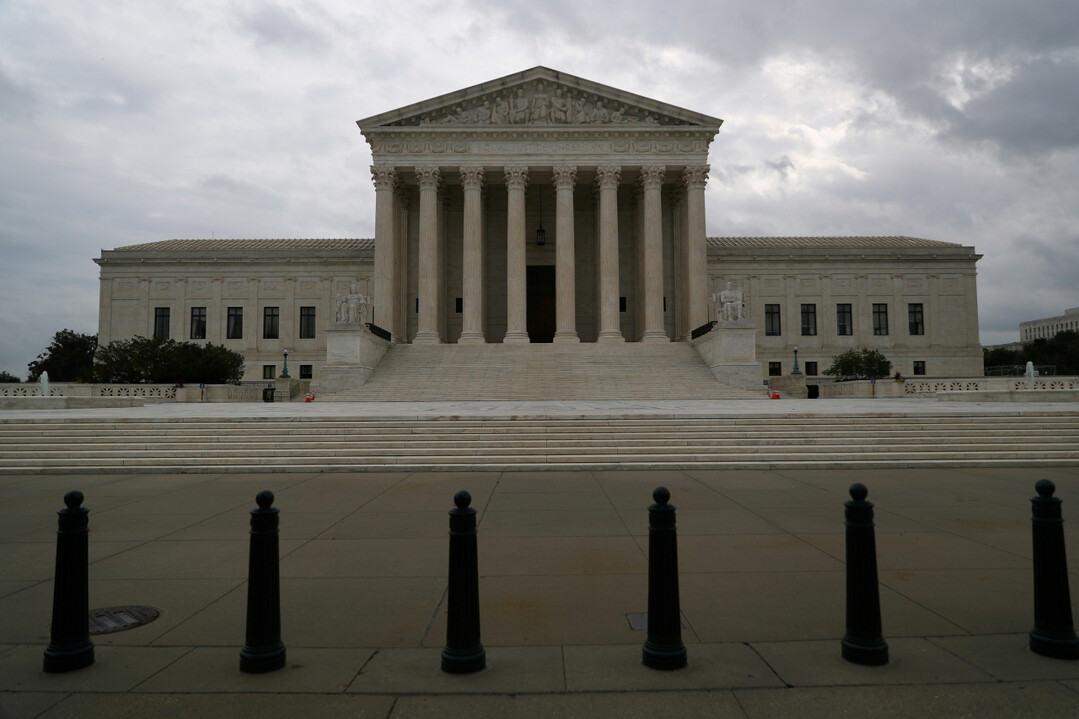
A new law in Texas, restricting real estate purchases by foreign nationals from specific countries, is causing a significant stir. Critics are particularly vocal about its perceived instigation of anti-Chinese sentiment. The bill, signed by Texas Governor Greg Abbott, will take effect in September and prohibits property ownership by nationals of China, as well as Iran, North Korea, and Russia. Asian American organizations are strongly protesting, calling it "xenophobia and discrimination," and it appears poised to escalate into large-scale lawsuits, similar to the case in Florida.
Anti-China Sentiment Infiltrates the Real Estate Market
There's a prevailing analysis that anti-China sentiment in the U.S. is now extending beyond the general economy to private real estate transactions. Texas's latest measure stands at the forefront of this trend. On June 21, Texas Republican Governor Greg Abbott officially announced he had signed Senate Bill (SB) 17, which restricts real estate purchases in Texas by nationals of China, Iran, North Korea, and Russia. Governor Abbott had previously stated in February that this bill would "prohibit hostile foreign governments from purchasing Texas land."
The newly passed SB17 prohibits individuals, companies, and government entities from these countries from purchasing real estate in Texas. However, U.S. permanent residents and citizens are exempt, and foreign nationals with valid U.S. visas can only purchase real estate for primary residence purposes. This means that citizens of these four countries will not be able to purchase real estate for investment purposes.
According to a 2023 report from the U.S. Department of Agriculture, Chinese individuals or companies own approximately 277,336 acres (about 1,122 square kilometers) of U.S. land, which is less than 1% of the total foreign-owned acreage. Of this, Texas accounts for about 45% with 123,708 acres, the highest proportion among U.S. states. These statistics appear to have been a major factor in the sense of urgency felt by Texas Republican lawmakers.
"Protecting Texas from Hostile Nations" vs. "Clear Discrimination"
Supporters of the bill argue that it's essential to protect Texans from the influence of "hostile nations" like China. On May 30, Texas State Representative Lois Kolkhorst (Republican) stated on her social media that she had "worked for three years to pass a bill to prevent our land, homes, commercial buildings, water, timber, oil and gas, and rare earth materials from being bought by foreign adversaries like China, Russia, North Korea, and Iran." She had first proposed a similar bill in late 2022 to restrict land and other property purchases by citizens and entities from the same group of countries, but it was shelved due to opposition within the state at the time.
However, there's significant criticism of this bill. In Texas, home to approximately 1.5 million Asian Americans, a citizen movement opposing the bill has been actively underway since 2023. Critics, including Democratic lawmakers and Asian American organizations, strongly denounce the bill as xenophobic and clear discrimination, expressing concerns that it will lead to unfair additional scrutiny, especially for Chinese Americans and Asian Americans.
Bethany Li, Executive Director of the Asian American Legal Defense and Education Fund based in New York, pointed out, "Imagine a landlord in Texas being told they are prohibited from renting to a Chinese national. They will decide not to rent to anyone who appears Chinese for safety. As a result, Asian Americans will be excluded from housing opportunities simply because of people's assumptions about their appearance or origin."
Florida Precedent and Signs of Nationwide Spread
Alice Yi, co-founder of "Asians for Justice in Texas," stated that some Asian American groups plan to support litigation against this law, similar to the ongoing lawsuit in Florida. In Florida, a lawsuit filed by four Chinese immigrants protesting a law restricting property ownership by citizens of China, Cuba, Iran, North Korea, Russia, Syria, and Venezuela is currently pending in a federal appeals court. In a letter sent to the Florida District Court in 2023, the U.S. Department of Justice stated that this law violates the federal Fair Housing Act and the Equal Protection Clause of the 14th Amendment to the U.S. Constitution.
According to the Committee of 100, a Chinese American group based in New York, as of June 16, 63 bills restricting foreign property ownership are under consideration in 15 U.S. states, some of which explicitly target Chinese citizens.
However, not all states are passing such bills. Earlier this month in Arizona, a Republican-led bill to restrict land ownership by Chinese entities failed. Arizona Governor Katie Hobbs (Democrat) vetoed the bill, stating that it was "not effective in counter-intelligence and could open the door to arbitrary enforcement."
Federal-Level Movement and Future Outlook
At the federal level, there are also active efforts to restrict Chinese real estate ownership. On June 6, Representative John Moolenaar (Republican), chairman of the House Select Committee on the Chinese Communist Party, argued in a Wall Street Journal op-ed that China could use U.S. land for "espionage, signal jamming, or autonomous weapon attacks in the event of a conflict," asserting that the U.S. needs to pass federal legislation to restrict such purchases. Last month, U.S. Secretary of Agriculture Brooke Rollins also stated during a House Appropriations Committee hearing that the USDA is developing a federal plan to prevent Chinese access to U.S. land.
Texas's latest action clearly demonstrates that the escalating U.S.-China conflict is impacting the private sector, particularly the real estate market. However, there are also significant concerns from the Asian American community that such laws could foster discrimination and prejudice against legal residents. Therefore, intense legal battles similar to those in Texas are expected to unfold in various U.S. states, posing a significant test to fundamental American values of equality and freedom.
[Copyright (c) Global Economic Times. All Rights Reserved.]