

SEOUL — Agricultural experts in South Korea have pinpointed two leading antibiotic treatments to fight soft rot, a devastating bacterial disease threatening Chinese cabbage crops during sweltering and humid conditions.
The Chungnam Agricultural Research and Extension Services recently concluded a comprehensive study evaluating how 62 distinct strains of soft-rot-causing bacteria react to various agricultural antibiotics. The findings highlight oxytetracycline dihydrate and kasugamycin as exceptionally effective tools for farmers.
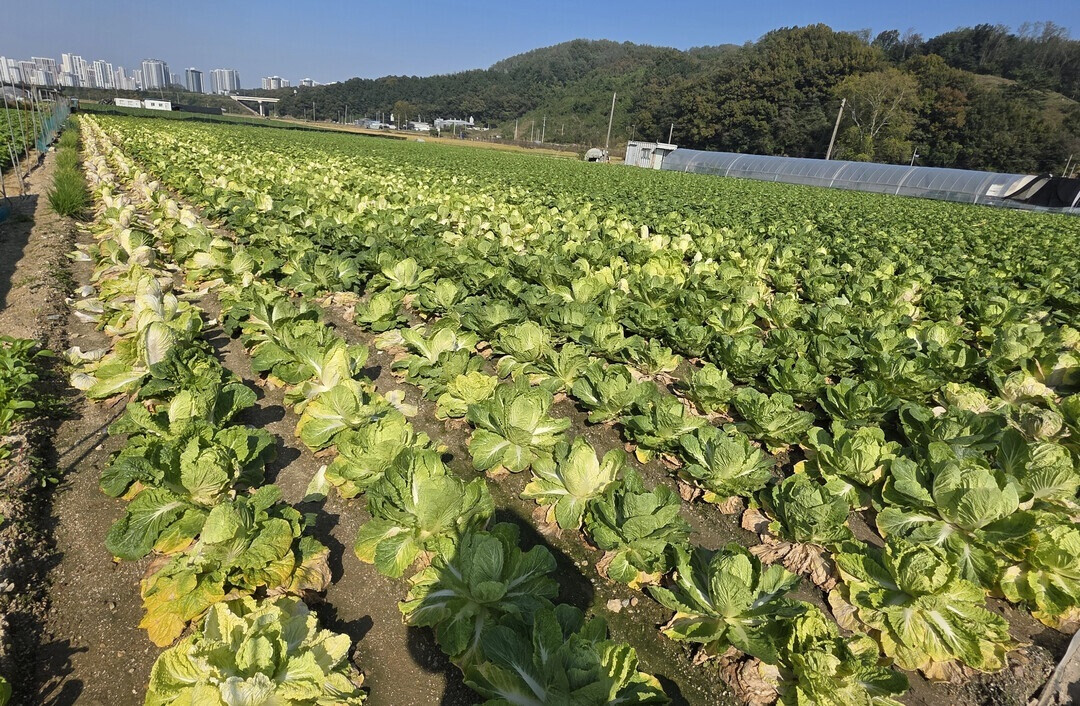
Soft rot is notorious for rapidly turning Chinese cabbage tissues mushy and decaying, which severely damages crop yields and market value. As climate conditions grow increasingly volatile, managing such outbreaks has become critical for local producers.
During the evaluation, researchers found that oxytetracycline dihydrate successfully halted the growth of all 62 tested bacterial strains. Meanwhile, kasugamycin demonstrated complete inhibition in 93.5% of the strains (58 out of 62), achieving an impressive average inhibition rate of roughly 95%.
In contrast, several conventional antibiotics faltered due to built-up pathogen resistance, yielding average suppression rates below 50%—with one failing to reach even 15%. This stark discrepancy underscores the vital importance of selecting the correct chemical treatment.
To prevent bacteria from developing further resistance and to maximize defense, agricultural authorities advise farmers to practice "alternating sprays." This involves rotating between chemical agents with differing modes of action rather than relying continuously on a single product.
Experts emphasize that careful selection and adherence to safety guidelines when applying these verified treatments will ensure a stable harvest and mitigate long-term resistance challenges for growers.
[Copyright (c) Global Economic Times. All Rights Reserved.]