![[등록] 2026-09-01 15:48:31](/support/_updata/banner2/tl181982910_6749.png)


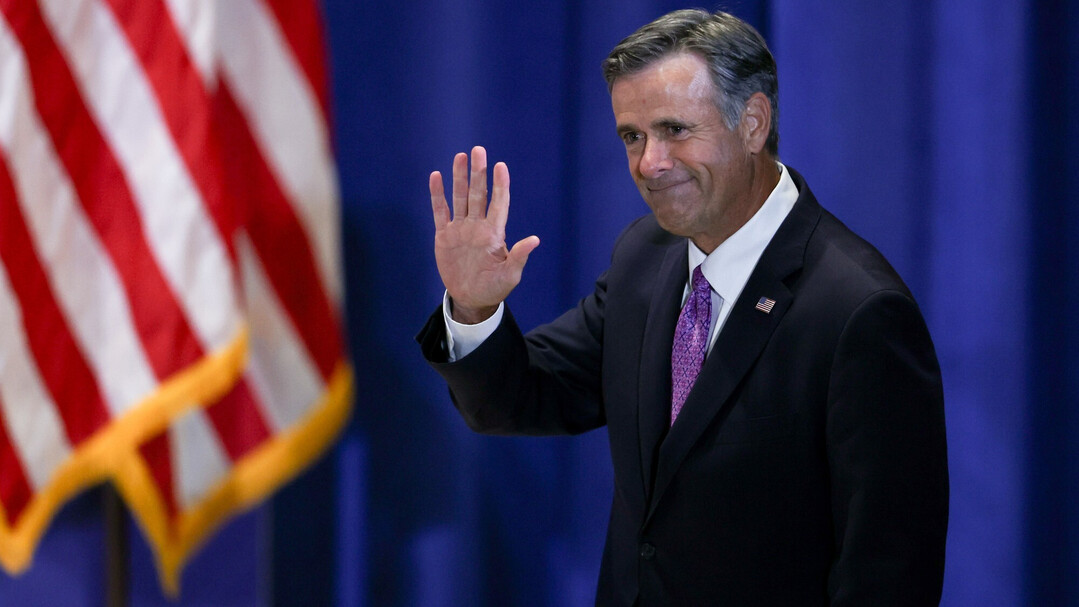
In a rare and unannounced diplomatic maneuver, U.S. Central Intelligence Agency (CIA) Director John Ratcliffe recently traveled to Moscow for confidential talks with Russian intelligence counterparts. Tracked via public flight data and local footage of a U.S. diplomatic motorcade, the trip marks Ratcliffe's first known visit to the Russian capital since taking office. While the White House and the CIA initially maintained a tight silence on the itinerary—with President Donald Trump later describing the mission as "semi-routine"—the Kremlin confirmed that discussions took place through intelligence channels, though they explicitly noted that Ratcliffe did not meet directly with President Vladimir Putin.
The secretive visit underscores a critical inflection point in international relations, occurring against the backdrop of multiple intertwined geopolitical flashpoints: the protracted war in Ukraine, escalating U.S. economic pressures on Iran, and complex security dynamics involving North Korea.
Addressing the Stalled Conflict in Ukraine
The primary focus of Ratcliffe’s discussions in Moscow is widely believed to center on breaking the deadlock in the Ukraine war. U.S.-led diplomatic efforts to broker a sustainable peace have largely stalled as both Kyiv and Moscow maintain rigid stances on core territorial and political issues. Furthermore, Western intelligence agencies have grown increasingly concerned that Russia might contemplate provocative actions or hybrid operations to test NATO's resolve along its eastern flank.
By utilizing intelligence-service channels rather than traditional diplomatic avenues, both Washington and Moscow sought a more candid medium to exchange strategic warnings. Historical precedent highlights the gravity of such intelligence missions: in November 2021, just three months prior to Russia's full-scale invasion, then-CIA Director William Burns traveled to Moscow to deliver stark warnings against military escalation. Ratcliffe’s mission similarly serves as a high-level conduit to assess leadership intent, manage miscalculations, and explore potential pathways toward de-escalation.
Navigating the Middle East and Iran Strategy
Beyond Eastern Europe, the talks likely addressed widening geopolitical rifts in the Middle East. The United States recently unleashed a sweeping campaign of economic sanctions and financial isolation strategies spearheaded by the Treasury Department to target Tehran. Because Russia remains Iran’s primary strategic partner and key ally in the region—cooperating closely on defense and sharing critical intelligence regarding U.S. military assets—Washington faces an uphill battle in curbing Tehran's regional influence. Ratcliffe's dialogue in Moscow provided an essential venue to address friction points concerning Iran, communicate American red lines, and test the limits of Moscow-Tehran alignment.
The North Korean Factor and Global Alignments
The discussions may have also touched upon deepening security entanglements involving North Korea. With Pyongyang having deployed substantial military personnel to support Russian forces in Ukraine, Moscow and Pyongyang have forged a deeply integrated military partnership. Within the framework of Washington's broader foreign policy objectives—which include exploring avenues to stabilize flashpoints and manage adversarial coalitions—engaging Russian intelligence chiefs offers insight into how North Korea's alignment with Moscow impacts global security and future diplomatic leverage.
Conclusion
Although Kremlin spokesman Dmitry Peskov noted that it remains premature to gauge whether the intelligence talks will immediately thaw bilateral relations, the dialogue itself highlights the enduring utility of backchannel diplomacy during deep global crises. As the Trump administration intensifies its push to find a viable end to the conflict in Ukraine while managing simultaneous pressures on Iran and North Korea, Ratcliffe's confidential mission to Moscow stands out as a pivotal move in contemporary great-power management.
[Copyright (c) Global Economic Times. All Rights Reserved.]