• 2026.03.22 (Sun)
  • All articles
  • LOGIN
  • JOIN
Global Economic Times
fashionrunwayshow2026
  • Synthesis
  • World
  • Business
  • Industry
  • ICT
  • Distribution Economy
  • Well+Being
  • Travel
  • Eco-News
  • Education
  • Korean Wave News
  • Opinion
  • Arts&Culture
  • Sports
  • People & Life
    • International Student Report
    • With Ambassador
  • Column
    • Cho Kijo Column
    • Cherry Garden Story
    • Ko Yong-chul Column
    • Kim Seul-Ong Column
    • Lee Yeon-sil Column
  • Photo News
  • New Book Guide
MENU
 
Home > Korean Wave News

S. Korea to Add Kimchi-Derived 'K-Lactic Acid Bacteria' to Official Food Ingredients List

Hwang Sujin Reporter / Updated : 2025-12-30 09:43:54
  • -
  • +
  • Print

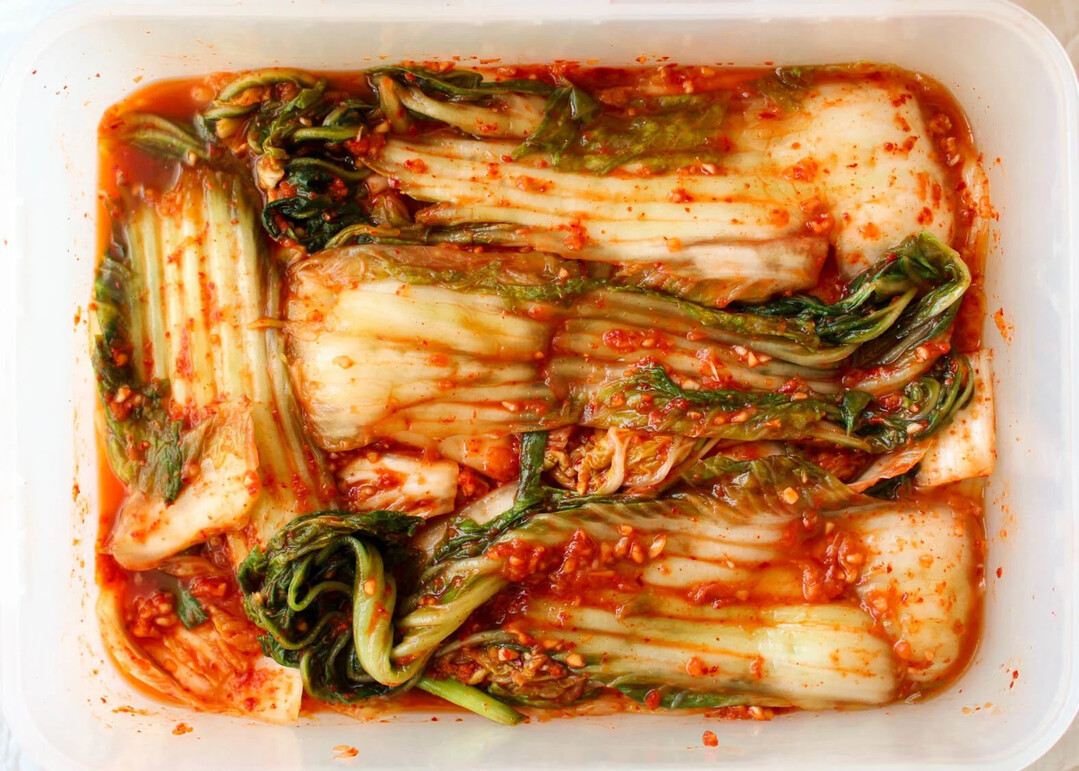
(C) Ahnest Kitchen


SEOUL – The Ministry of Food and Drug Safety (MFDS), in collaboration with the Rural Development Administration (RDA), announced on Tuesday that two strains of lactic acid bacteria derived from traditional Korean fermented foods, such as Kimchi and soybean paste, will be added to the national list of approved food ingredients.

The move aims to foster the development of diverse fermented products by providing a stable regulatory foundation for domestic microbial resources. Following extensive reviews by a consultative body of experts from industry, academia, and government, the authorities identified Leuconostoc lactis and Pediococcus inopinatus as safe for general consumption.

The Profile of Two New 'K-Microbes'
Leuconostoc lactis: Commonly found in Kimchi and traditional sauces like doenjang (soybean paste). It produces lactic acid, acetic acid, and carbon dioxide, which contribute to the unique, refreshing tang of fermented foods.
Pediococcus inopinatus: A key microbe found in aged Kimchi and gajami-sikhae (fermented flatfish). It is known for its dominance in well-ripened "Mukeunji," playing a vital role in determining deep fermentation flavors.

Global Competitiveness and Safety
Beyond traditional Korean cuisine, these indigenous microbes are expected to be utilized in the production of cheese, butter, beer, and wine. The MFDS confirmed that both strains met rigorous safety standards regarding biosafety levels, toxin production, and antibiotic resistance. They are already recognized as food ingredients by international bodies such as the European Food Safety Authority (EFSA).

"This expansion of the food ingredient list will support the growth of the K-traditional fermented food industry and enhance its competitiveness in the global market," the MFDS stated. The government plans to continue discovering and domesticating diverse microbial resources to lead the future food tech industry.

[Copyright (c) Global Economic Times. All Rights Reserved.]
  • #Globaleconomictimes
  • #Korea
  • #Seoul
  • #Samsung
  • #LG
  • #Bitcoin
  • #Meta
  • #Business
  • #Economic
  • #The Woori Bank
  • #Elon Musk
Hwang Sujin Reporter

Popular articles

  • IVE Sheds "Princess" Persona for Darker Horizon with 2nd Full-Length Album 'REVIVE+'

  • BLACKPINK Becomes First Artist to Surpass 100 Million YouTube Subscribers, Receiving the ‘Red Diamond’ Award

  • Kim Jong-un Signals "New Leap Forward" at 9th Party Congress, Buoyed by Strengthening Russia Ties

I like it
Share
  • Facebook
  • X
  • Kakaotalk
  • LINE
  • BAND
  • NAVER
  • https://www.globaleconomictimes.kr/article/1065573717788589 Copy URL copied.
Comments >

Comments 0

Weekly Hot Issue

  • Appellate Court Begins Review of Kakao Founder’s Acquittal in SM Entertainment Stock Rigging Case
  • AI Supercycle Propels Global Semiconductor Market Toward $1 Trillion Milestone
  • Naver Suspends Election Comments to Combat Cyberbullying and Misinformation Ahead of June Polls
  • Lotte Town Myeongdong Lights Up with 'Welcome Light' to Greet Global K-Pop Fans
  • K-Beauty SMEs Join Forces with Distributors: A New Paradigm for Global Expansion through Strategic Consortiums
  • BMW ‘The New i3’ Next-Gen EV: 900km Range 

Most Viewed

1
An Open Letter to BTS On the Eve of a Historic Performance
2
From Industrial Capital to Tourism Mecca... Ulsan Makes a Bold Move with ‘Experiential Content’ in 2026
3
Ko Sang-goo, President of World Federation of Korean Associations, Elected as First Private Sector Chair of World Korean Community Leaders Convention
4
It is Time for BTS’s Fandom, ARMY, to Step Forward
5
Korean Stock Market Plunges: Circuit Breaker and Sidecar Triggered Amid Geopolitical Crisis
광고문의
임시1
임시3
임시2

Hot Issue

Netflix Declares BTS Comeback Live “ARIRANG” as the Year’s Biggest Global Event

AI Medical Ecosystem in Focus: KIMES 2026 Opens in Seoul as Global Healthcare Hub

Netanyahu Declares Decisive Blow to Iran’s Nuclear and Missile Programs, Signals Early End to War

Intel Announces 10% Price Hike on CPUs: PC Manufacturers Bracing for Massive Production Cost Spikes

Let’s recycle the old blankets in Jeju Island’s closet instead of incinerating them.

Global Economic Times
korocamia@naver.com
CEO : LEE YEON-SIL
Publisher : KO YONG-CHUL
Registration number : Seoul, A55681
Registration Date : 2024-10-24
Youth Protection Manager: KO YONG-CHUL
Singapore Headquarters
5A Woodlands Road #11-34 The Tennery. S'677728
Korean Branch
Phone : +82(0)10 4724 5264
#304, 6 Nonhyeon-ro 111-gil, Gangnam-gu, Seoul
Copyright © Global Economic Times All Rights Reserved
  • 에이펙2025
  • APEC2025가이드북TV
  • 독도는우리땅
Search
Category
  • All articles
  • Synthesis
  • World
  • Business
  • Industry
  • ICT
  • Distribution Economy
  • Well+Being
  • Travel
  • Eco-News
  • Education
  • Korean Wave News
  • Opinion
  • Arts&Culture
  • Sports
  • People & Life 
    • 전체
    • International Student Report
    • With Ambassador
  • Column 
    • 전체
    • Cho Kijo Column
    • Cherry Garden Story
    • Ko Yong-chul Column
    • Kim Seul-Ong Column
    • Lee Yeon-sil Column
  • Photo News
  • New Book Guide
  • Multicultural News
  • Jobs & Workers