![[등록] 2026-09-01 15:48:31](/support/_updata/banner2/tl181982910_6749.png)


Ulaanbaatar, Mongolia – Riding a wave of increasing international interest, Mongolia has announced a bold and comprehensive strategy to transform its tourism sector into a major economic driver. The government aims to attract 2 million tourists annually by 2030, projecting that this influx will contribute a significant 10% to the nation's gross domestic product (GDP). This ambitious target necessitates a substantial investment of $4 billion in tourism infrastructure development over the coming years.
Nomin Chinbat, Mongolia's Minister of Culture, Sports, Tourism, and Youth Policy, outlined these plans in a recent interview with CNBC. "We have a big and ambitious goal to attract around 2 million tourists by 2030, and this will add about $4 billion to our GDP," Minister Chinbat stated, highlighting the significant economic potential the government seeks to unlock through strategic tourism development.
Currently, the tourism industry accounts for a modest 3-4% of Mongolia's GDP, indicating the scale of the envisioned growth. However, the sector is demonstrating strong upward momentum. In 2024, Mongolia welcomed a record 808,000 foreign tourists, marking a notable 9% increase compared to the previous year. Minister Chinbat expressed optimism about this trajectory, stating, "The number of tourists is increasing rapidly. We want to increase the growth rate to 16% in the future," underscoring the government's commitment to accelerating this expansion.
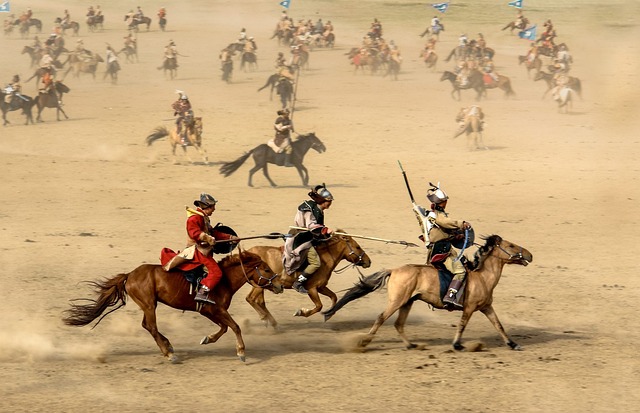
Mongolia's appeal lies in its unique blend of pristine natural landscapes, opportunities for adventurous exploration, a rich and vibrant nomadic culture, and a growing interest in spiritual tourism. From the vast steppes and towering Altai Mountains to the Gobi Desert's stark beauty and the cultural heritage of Genghis Khan, Mongolia offers a diverse array of experiences that cater to a wide range of travelers. The country's wide-open spaces and relatively untouched environment are increasingly attractive to those seeking respite from crowded urban destinations.
Strategic Focus on North American Connectivity
A cornerstone of Mongolia's tourism development strategy is the enhancement of its international air connectivity. Minister Chinbat hailed the inaugural flight of United Airlines to Ulaanbaatar on May 1st as a pivotal moment for the industry. This new thrice-weekly service, operating via Tokyo's Narita Airport, directly links North America to Mongolia, a crucial step in attracting more visitors from the region.
"We recently developed a Mongolian tourism strategy with the Boston Consulting Group, and the key to improving the tourism industry is international connectivity, especially with North America," Minister Chinbat explained. The establishment of the United Airlines route is expected to significantly boost the number of American tourists visiting Mongolia. In 2024, over 22,000 Americans traveled to Mongolia, and Minister Chinbat anticipates that this figure will "at least double" with the new direct(ish) connection.
"The United States is one of our key markets, and it's a market we are targeting," Minister Chinbat emphasized. "Even though people have to transit in Narita, it will be much more convenient for people to fly to Mongolia on one airline." Currently, the majority of international arrivals originate from neighboring countries like China and Russia, as well as South Korea, highlighting the potential for diversification of the tourist base.
Significant Infrastructure Investment Required
To support the anticipated surge in tourist numbers, Mongolia recognizes the critical need for substantial investment in its tourism infrastructure. Minister Chinbat underscored the requirement of $4 billion to develop and upgrade essential facilities, including roads, hotels, ger camps (traditional nomadic dwellings adapted for tourism), and other tourist amenities. To facilitate this development, the government is actively encouraging both public and private sector participation by offering low-interest, long-term loans to expedite infrastructure expansion. This strategic financial support aims to create a conducive environment for sustainable growth within the tourism sector.
Balancing Growth with Sustainability
While ambitious growth targets are central to Mongolia's tourism strategy, the government is also keenly aware of the importance of sustainable development. Minister Chinbat identified this as the nation's most significant challenge in realizing its tourism potential. "It is important that our natural resources are sustainable and that local Mongolians also benefit from tourists coming from abroad," he stated, emphasizing the need to balance economic growth with environmental preservation and community well-being.
Mongolia's unique natural heritage, including its vast grasslands, ancient forests, and pristine lakes, is a primary draw for tourists. Preserving these assets is crucial for the long-term viability of the tourism industry. Furthermore, ensuring that local communities benefit from tourism revenue is essential for fostering support for the sector and promoting inclusive growth. This involves creating employment opportunities for Mongolians and supporting local businesses that cater to tourists.
The successful implementation of Mongolia's ambitious tourism strategy holds the potential to significantly boost the nation's economy and enhance its global profile. By strategically investing in infrastructure, improving international connectivity, and prioritizing sustainable development, Mongolia aims to become a premier destination for travelers seeking unique cultural and natural experiences. The coming years will be crucial in determining whether the country can effectively navigate the challenges of rapid growth while preserving its unique identity and environment.
[Copyright (c) Global Economic Times. All Rights Reserved.]