![[등록] 2026-09-01 15:48:31](/support/_updata/banner2/tl181982910_6749.png)


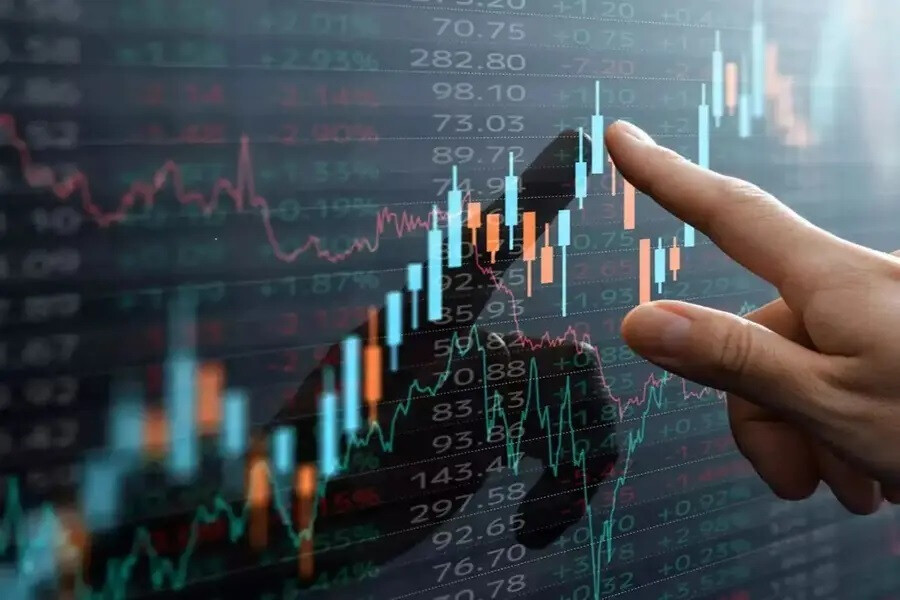
Global financial markets are experiencing a profound shift in sentiment as the prospect of peace in the Middle East breathes new life into investor confidence. Following strong rallies across Asian markets earlier this week, U.S. indices surged on Monday, with the Dow Jones Industrial Average closing at an all-time high, while the Nasdaq Composite jumped over 3%.
The catalyst for this global "peace rally" is the imminent signing of a ceasefire agreement between the United States and Iran, scheduled for June 19 in Switzerland. Reports indicating that President Trump has already provided an electronic signature for the accord have effectively neutralized a major geopolitical overhang, leading to a significant retreat in oil prices. Both Brent and West Texas Intermediate (WTI) crude have stabilized in the low $80-per-barrel range, a development that is alleviating inflationary pressures and, in turn, easing upward pressure on bond yields.
Tech Sector and Semiconductor Surge
The reduced inflation outlook has reignited enthusiasm for high-growth technology and semiconductor stocks. In the U.S., the Philadelphia Semiconductor Index posted a robust gain of 5.45%. Micron Technology led the momentum with a double-digit rise of over 10%, followed by significant gains in Marvell Technology (up 10%+), AMD (6.98%), and NVIDIA (3.54%).
The IPO market also captured headlines, as SpaceX continued its meteoric rise on its second day of trading, soaring an additional 19.6% following its 19% gain on its debut. Analysts are increasingly observing signs of the stock capturing "meme" status, reflecting intense retail and institutional fervor.
Korean Market Outlook: Eyeing New Records
Following the positive global lead, the South Korean stock market, which staged a powerful 5.20% rebound to close at 8,545.98 on Monday, is now poised to test the 9,000-point threshold. Investors are closely watching whether heavyweights like Samsung Electronics and SK Hynix can reach new record highs.
Foreign investors, who had previously been net sellers, have shifted their stance, buying domestic equities for two consecutive sessions—totaling over 3 trillion won in net inflows since June 12. This shift underscores a broader re-allocation of capital as the geopolitical risk premium evaporates.
"The decline in oil prices and the softening of the inflation premium are reducing the discount rate burden on the market, allowing investors to refocus on corporate earnings," noted Kim Doo-eon, a researcher at Hana Securities. "As interest rate anxiety fades, the market's center of gravity is swinging back toward AI and memory semiconductor leaders."
Bullish Forecasts for Chipmakers
Institutional sentiment remains highly optimistic regarding the semiconductor sector. Nomura Securities recently reaffirmed its conviction in the ongoing "semiconductor super-cycle," raising its target prices for SK Hynix and Samsung Electronics to 5 million won and 590,000 won, respectively. Nomura emphasized that the surge in demand for artificial intelligence infrastructure suggests that the current cycle is still in its nascent stages, predicting that the semiconductor-led rally will likely broaden into other sectors such as automotive and defense.
While the broader market celebrates, some caution remains regarding currency volatility. The won-dollar exchange rate has remained stubborn in the 1,515 range, reflecting lingering caution among market participants.
As the Federal Reserve prepares for its upcoming Federal Open Market Committee (FOMC) meeting on June 18—the first under new Chair Kevin Warsh—the market is currently pricing in a more dovish stance. Investors are hopeful that a combination of geopolitical stability and favorable central bank rhetoric will provide the necessary foundation for a sustained bull market in the second half of 2026.
[Copyright (c) Global Economic Times. All Rights Reserved.]