BERLIN — Conscientious objection filings in Germany have experienced an extraordinary surge, multiplying fourfold within a single year as young citizens voice growing anxieties over shifting geopolitical landscapes and military reforms.
Government data reveals that between January and October, 16,869 individuals formally applied to opt out of military service. This figure dwarfs the totals from previous years, standing in stark contrast to the 951 filings recorded in 2022 and the 1,079 registered in 2023. Daily application rates have similarly skyrocketed, climbing from a modest 11 per day last year to an average of 55 during the first ten months of this year.
The upward trajectory has accelerated sharply during the latter half of the year. While 5,862 applications were processed in the first six months, the count swelled dramatically in the third quarter, with July alone drawing roughly 2,400 submissions. The Federal Office for Family and Civil Society Affairs noted that the pool of applicants spans a broad demographic, including not only civilians who have never worn a uniform, but also active-duty service members and reservists.
Geopolitical Fears and Legal Shifts
Observers point to escalating security threats from Russia and heightened military tensions across Europe as primary catalysts for the phenomenon. The reintroduction of mandatory service has become a prominent fixture of youth-led demonstrations and public discourse.
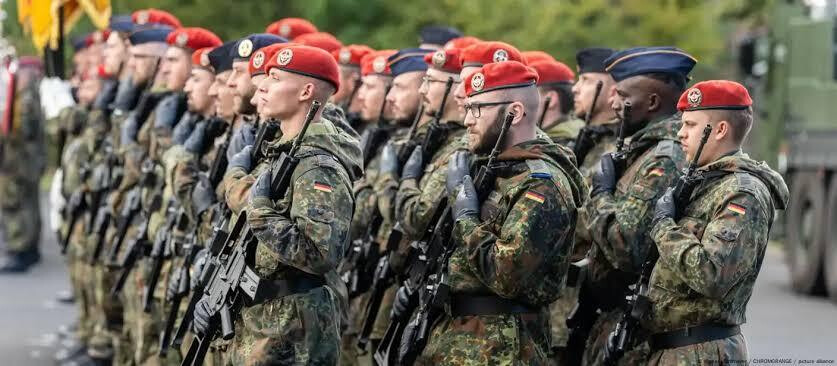
These societal concerns coincide with structural changes to Germany's defense framework. Although Berlin formally suspended compulsory conscription in 2011, the Bundestag enacted the Military Service Modernization Act, which went into effect in January. Under the updated legislation, 18-year-old male citizens are legally required to complete a questionnaire regarding their service readiness and physical aptitude, while participation for young women remains voluntary.
Although the system remains fundamentally voluntary, the legislation grants parliament the authority to mandate recruitment should volunteer numbers fall short of national defense requirements or if security crises intensify. Compulsory medical evaluations for young men born in 2008 are slated to begin next July.
Internal Challenges compound Unease
Beyond regional security worries, institutional issues within the armed forces may also be fueling reluctance to serve. Recent reports from German media outlets indicate that federal authorities forwarded over 700 cases involving suspected violations of sexual self-determination to prosecutors between 2023 and 2025. High-profile investigations across multiple regiments—resulting in disciplinary measures and dismissals—have further drawn scrutiny to the internal culture of the military, complicating recruitment efforts and amplifying public hesitation.
[Copyright (c) Global Economic Times. All Rights Reserved.]