• 2026.11.11 (Wed)
  • All articles
  • LOGIN
  • JOIN
Global Economic Times
[등록] 2026-09-01 15:48:31
  • Synthesis
  • World
  • Business
  • Industry
  • ICT
  • Distribution Economy
  • Well+Being
    • Pet Life
    • Halal Horizon
  • Travel
  • Eco-News
  • Education
  • Korean Wave News
  • Opinion
  • Arts&Culture
  • Sports
  • People & Life
    • International Student Report
    • With Ambassador
  • Column
    • Cho Kijo Column
    • Cherry Garden Story
    • Ko Yong-chul Column
    • Kim Bong-seon's Photo Column
    • Kim Seul-Ong Column
    • Lee Yeon-sil Column
  • Photo News
  • New Book Guide
MENU
 
Home > Column > Cherry Garden Story

Kimchi: A Korean Culinary Treasure

LEE YEON SIL / Updated : 2024-11-02 11:09:22
  • -
  • +
  • Print


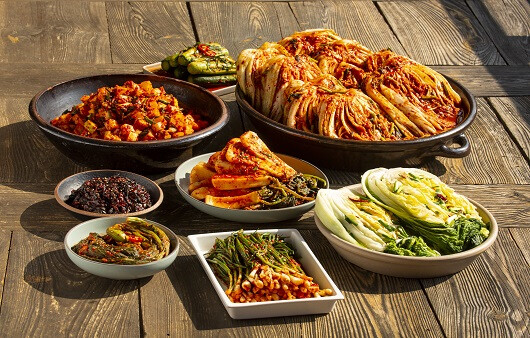
Kimchi, a ubiquitous side dish in Korean cuisine, is a testament to the nation's rich culinary heritage. No meal is truly complete without its vibrant presence, offering a symphony of flavors and textures that tantalize the taste buds.

Traditionally, kimchi is crafted through a meticulous fermentation process, combining salted napa cabbage, radish, and a fiery paste of red chili powder, garlic, spring onion, salted fish sauce, and other aromatic ingredients. The fermentation process not only enhances the flavor but also creates a probiotic powerhouse, teeming with beneficial bacteria.

The diversity of kimchi is as vast as the Korean peninsula itself. Each region, and even each household, boasts its unique recipe, resulting in hundreds of variations. While the core ingredients remain consistent, the specific blend of spices and the fermentation techniques can vary widely, leading to a kaleidoscope of tastes and textures.

In recent years, while many Koreans still cherish the tradition of homemade kimchi, the convenience of store-bought varieties has gained significant popularity. This shift has made kimchi more accessible to a global audience, who are increasingly recognizing its nutritional benefits.

Packed with vitamins A and C, kimchi is a nutritional powerhouse. The fermentation process generates copious amounts of lactic acid bacteria, which have been linked to various health benefits, including improved digestion, boosted immunity, and reduced inflammation. Studies have even suggested that kimchi may help prevent chronic diseases such as cancer, hypertension, diabetes, and atopic dermatitis.

The cultural significance of kimchi extends beyond its culinary value. Kimjang, the annual communal event dedicated to kimchi-making, is a cherished tradition that brings families and communities together. This time-honored practice, inscribed on the UNESCO Intangible Cultural Heritage list in 2013, symbolizes the shared heritage and culinary wisdom of the Korean people.

[Copyright (c) Global Economic Times. All Rights Reserved.]

LEE YEON SIL
LEE YEON SIL

Popular articles

I like it
Share
  • Facebook
  • X
  • Kakaotalk
  • LINE
  • BAND
  • NAVER
  • https://www.globaleconomictimes.kr/article/1065578906398708 Copy URL copied.
Comments >

Comments 0

Weekly Hot Issue

  • Inha University Caught in Campus Culture Clash Over Proposed Rhee Syng-man Statue Revival
  • Honoring a Legacy: Poet Oh Dong-chun Recognized for Lifelong Dedication to Hangul and Sijo Poetry
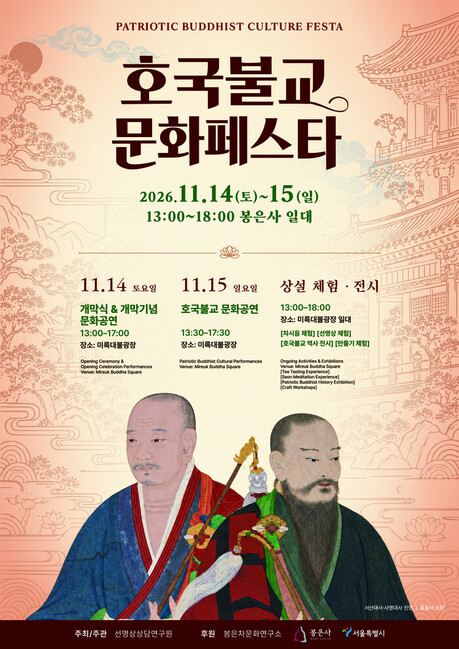
  • Bongeunsa Temple to Host 2026 Patriotic Buddhism Cultural Festa
  • South Korea Confronts a Growing Health Crisis as Adult Obesity Rates Surge
  • Pain of Chosei Coal Mine Meets Japanese Readers: Moon Young-sook Publishes Japanese Edition of 'Black Sea'
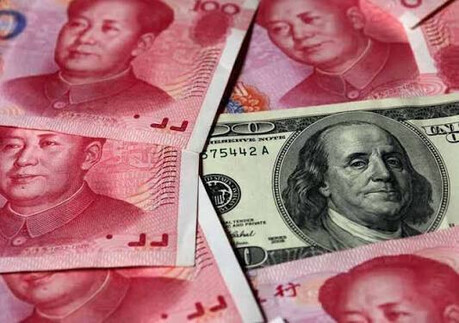
  • Beyond the Trillion-Dollar Mark: China’s Trade Surplus and the Debate Over Global Economic Dominance

Most Viewed

1
US Army Conducts Rare Temporary Burial Drills to Prepare for Worst-Case Large-Scale War Scenarios
2
World Citizens are Flying Directly to Busan... The Era of 4 Million Foreigners is Just Around the Corner
3
Eating 100g of Baechu Kimchi Daily Linked to Lower High-Cholesterol Risks
4
Meeting Christmas Early!… Busan Dessert Sales Event "Daldal The Market" Held
5
November Shopping Festival Sparks Retail War in South Korea: Where to Find the Best Deals
체리가든 스토리
nutri huevos
로타리
동포저널

Hot Issue

Jensen Huang Faces Shareholder Class Action and Leadership Scrutiny Amid Espionage Allegations Involving Former Associate

Disgraced South Korean Scientist Hwang Woo-suk Becomes UAE Citizen

Is South Korea Heading Toward France's Path? Aging Population and Fiscal Pressures Looming Ahead

Fashion Runway Show 2026

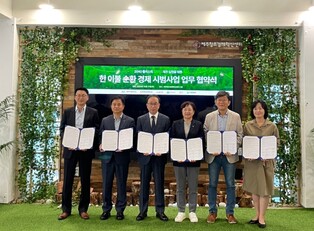
Let’s recycle the old blankets in Jeju Island’s closet instead of incinerating them.

Global Economic Times
korocamia@naver.com
CEO : LEE YEON-SIL
Publisher : KO YONG-CHUL
Registration number : Seoul, A55681
Registration Date : 2024-10-24
Youth Protection Manager: KO YONG-CHUL
Singapore Headquarters
5A Woodlands Road #11-34 The Tennery. S'677728
Korean Branch
Phone : +82(0)10 4724 5264
#304, 6 Nonhyeon-ro 111-gil, Gangnam-gu, Seoul
Copyright © Global Economic Times All Rights Reserved
  • News K
  • 반달곰 프로젝트
  • 광고문의
Search
Category
  • All articles
  • Synthesis
  • World
  • Business
  • Industry
  • ICT
  • Distribution Economy
  • Well+Being 
    • 전체
    • Pet Life
    • Halal Horizon
  • Travel
  • Eco-News
  • Education
  • Korean Wave News
  • Opinion
  • Arts&Culture
  • Sports
  • People & Life 
    • 전체
    • International Student Report
    • With Ambassador
  • Column 
    • 전체
    • Cho Kijo Column
    • Cherry Garden Story
    • Ko Yong-chul Column
    • Kim Bong-seon's Photo Column
    • Kim Seul-Ong Column
    • Lee Yeon-sil Column
  • Photo News
  • New Book Guide
  • Overseas Koreans
  • Multicultural News