![[등록] 2026-09-01 15:48:31](/support/_updata/banner2/tl181982910_6749.png)


HANOI, Vietnam – A burgeoning international food safety scandal is unfolding as China has completely blocked imports of Vietnamese durian dueian over cadmium contamination concerns. The Vietnamese outlet Tuoi Tre reported on May 28 that Vietnam's Vinacam Group has formally requested Prime Minister Pham Minh Chinh's intervention to resolve the crisis, highlighting the severe economic repercussions for local farmers and exporters.
Korean DAP Fertilizer Identified as Source of Contamination
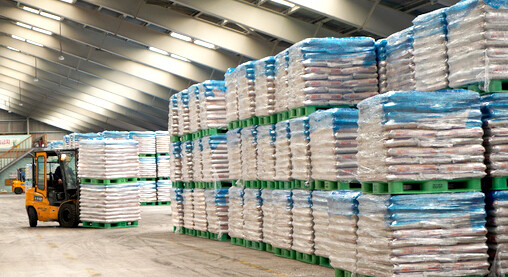
Vinacam Group, a major fertilizer importer in Vietnam, has pinpointed Korean-produced Diammonium Phosphate (DAP) fertilizer from Namhae Chemical as the root cause of the contamination. According to Vinacam, tests revealed cadmium levels in the Korean-made DAP fertilizer as high as 28 milligrams per kilogram (mg/kg). This figure is more than double the permissible limit of 12 mg/kg set by international standards and potentially by importing countries.
Chinese authorities initiated the ban after their own inspections detected cadmium residues exceeding permissible limits in thousands of containers of Vietnamese durian. This led to the immediate return of these shipments, causing substantial financial losses for Vietnamese exporters who had invested heavily in cultivating and preparing the fruit for the lucrative Chinese market. Cadmium is classified as a toxic heavy metal and a human carcinogen by the Food and Agriculture Organization of the United Nations (FAO). Its accumulation in the body can cause severe damage to the kidneys, lungs, and bones.
Vietnam currently imports DAP fertilizer from various countries, including China, Australia, Russia, and South Korea. However, initial tests conducted by major fertilizer importers in Vietnam indicate that only the Korean-made product has shown cadmium levels exceeding the acceptable threshold. This specific identification points to a potential batch-specific or production-related issue from the named manufacturer.
Long-Standing Awareness, Inadequate Regulatory Response
Vinacam Group alleges that the agricultural sector has been aware of cadmium-related risks in fertilizers since 2020, yet adequate regulatory responses have been notably absent. The company stated it lodged a formal complaint last July with relevant ministries, including the Ministry of Agriculture and Rural Development and the Ministry of Industry and Trade, but no effective solution has materialized to date. This lack of proactive regulation allowed contaminated products to enter the supply chain, ultimately impacting export markets.
With fears escalating that other agricultural products grown using the same contaminated fertilizers could also face export restrictions, Vinacam Group is urging the Vietnamese government to formulate a comprehensive and integrated response plan. The company has expressed its full willingness to cooperate, stating, "We are prepared to provide all relevant documents and records if requested by the authorities," signaling their commitment to transparency and a collaborative solution. This collaborative approach is crucial for establishing the traceability of the contamination and preventing future occurrences.
Industry experts explain that cadmium is not only present in some fertilizers but also naturally exists in soil, with concentrations varying by region. This natural presence complicates mitigation efforts, emphasizing the need for stricter controls on imported inputs like fertilizers. Effective monitoring programs for soil, water, and agricultural products are essential to ensure long-term food safety.
Broader Implications for Vietnam's Agricultural Exports
The durian export ban to China is a significant blow to Vietnam's agricultural sector. China is a vital market for Vietnamese produce, particularly for fruits like durian, which have seen a surge in popularity and demand. This incident not only jeopardizes current durian exports but also casts a shadow over future agricultural trade relations between Vietnam and China.
For Vietnam, this crisis underscores the critical importance of robust quality control and regulatory oversight in its agricultural supply chain, especially concerning imported inputs like fertilizers. Ensuring compliance with international food safety standards is paramount to maintaining export markets and protecting the reputation of Vietnamese agricultural products globally. The government's response to this crisis will be closely watched by international trade partners and food safety organizations.
International Food Safety Standards and Fertilizer Regulations
This incident highlights the varying international standards for heavy metals in fertilizers and agricultural products. While some countries have strict limits, others may have more lenient regulations or less rigorous enforcement. The European Union, for instance, has progressively tightened its regulations on cadmium in phosphate fertilizers, recognizing its health risks. The discrepancy in regulations can create challenges for countries like Vietnam that export to multiple markets with diverse standards.
The incident also brings into focus the responsibility of fertilizer manufacturers. Namhae Chemical, the Korean company implicated, will likely face scrutiny regarding its production processes and quality control measures. Ensuring that raw materials used in fertilizer production meet specific purity standards is crucial to prevent contamination. Transparency and cooperation from manufacturers are vital in resolving such international trade disputes and preventing future incidents.
Ultimately, the resolution of this crisis will require a multi-faceted approach involving diplomatic efforts, stringent scientific analysis, and the implementation of robust regulatory frameworks. Vietnam's ability to swiftly identify the source, mitigate the contamination, and reassure its trade partners will determine the long-term impact on its agricultural export economy.
[Copyright (c) Global Economic Times. All Rights Reserved.]