![[등록] 2026-09-01 15:48:31](/support/_updata/banner2/tl181982910_6749.png)


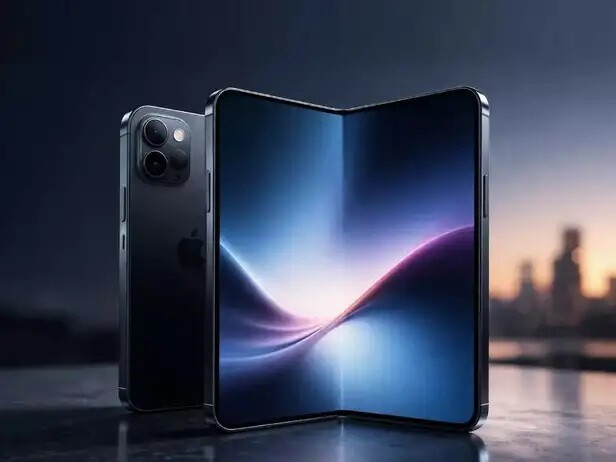
CUPERTINO – As anticipation builds for Apple’s entry into the foldable market, new reports suggest the tech giant is betting on "Self-Healing" technology to eliminate the industry's biggest headache: the display crease.
While rumors suggest the launch of the so-called "iPhone Fold" may be delayed, the focus has shifted to Apple’s pursuit of display perfection. According to industry insiders and tech leaker Digital Chat Station, Apple is testing several high-tech solutions to ensure its foldable screen meets the brand's rigorous durability standards.
The "Self-Healing" Game Changer
The most striking innovation is the potential use of self-healing glass. This technology utilizes an elastomeric polymer layer that can repair minor scratches and dents automatically. Depending on the material, the healing process is triggered either by a chemical reaction or by external heat, potentially keeping the screen pristine even after years of folding.
Reinforced Durability and Seamless Design
Beyond the glass surface, Apple is reportedly developing a "Seamless Hinge" structure. This design aims to leave zero gaps when the device is folded, preventing dust and debris from entering—a common cause of hardware failure in current foldables.
Furthermore, Apple is exploring a "sandwich" display architecture:
-UTG (Ultra-Thin Glass): For structural integrity.
-UFG (Ultra-Flexible Glass): To enhance flexibility and reduce mechanical stress at the fold.
The Road Ahead
While these technologies offer a glimpse into a "crease-free" future, experts urge caution. Since the product is still in the development phase, the final implementation remains uncertain. However, the move signals that Apple is unwilling to release a foldable device until it can fundamentally solve the durability issues that have plagued its competitors.
[Copyright (c) Global Economic Times. All Rights Reserved.]