![[등록] 2026-09-01 15:48:31](/support/_updata/banner2/tl181982910_6749.png)


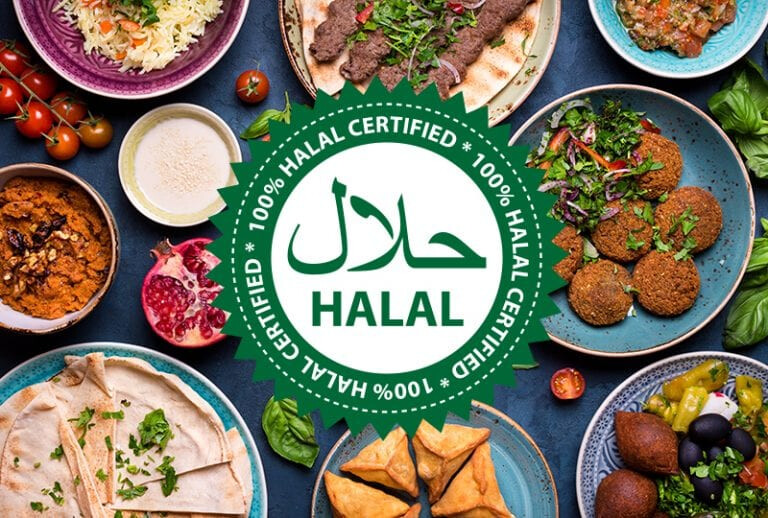
As the global halal market expands rapidly, the Philippine government is actively fostering its domestic halal industry as a key national export strategy. With a solid domestic foundation of a Muslim population (approximately 10.1% of the total population, according to the Philippine Statistics Authority), the Philippines has set an ambitious goal to strengthen its position in the global export market. In particular, the Philippine Department of Trade and Industry (DTI) has declared the strategic development of the halal industry, primarily focusing on the food sector, through its 'Philippine Halal Industry Development Strategic Plan 2023-2028,' setting a concrete target to double halal product export revenue by 2025 compared to the previous year.
Growth Potential of the Philippine Halal Industry
The global halal market is growing rapidly, driven by a trend towards safe and ethical consumption that extends beyond religious beliefs. According to the State of the Global Islamic Economy Report, the global halal market was valued at $3.2 trillion in 2022 and is projected to grow to $5.7 trillion by 2027. In this massive market, the Philippines has the potential to emerge as a major halal producer and exporter within the ASEAN region. Its geographical location at the heart of Southeast Asia, along with abundant agricultural and marine resources and skilled labor, enhances the competitiveness of the Philippine halal industry.
Furthermore, the Muslim community, primarily concentrated in the Mindanao region within the Philippines, provides a stable domestic market for halal products. This plays a crucial role in driving the initial growth of the halal industry and laying the groundwork for future export expansion. The Philippine government is demonstrating its commitment to leveraging these strengths to make the halal industry a new engine of national economic growth.
Key Contents of the 'Philippine Halal Industry Development Strategic Plan 2023-2028'
The 'Philippine Halal Industry Development Strategic Plan 2023-2028' released by the DTI outlines a roadmap for the overall development of the halal industry. The core elements of this plan are as follows:
Food Industry-Centric Development: Halal food accounts for the largest share of the overall halal market. The Philippines will focus on expanding halal food production and enhancing its quality by utilizing its abundant agricultural and marine resources. This will be expanded to various items, including processed foods, meat, and seafood.
Diversification of Export Markets: The Philippines will strengthen its entry not only into existing Muslim countries but also into non-Muslim countries with increasing halal demand, such as the United States, Japan, South Korea, and Turkey. To achieve this, it will undertake active overseas promotional activities, including participation in international expos and marketing linked to global buyers.
Integration and Standardization of Certification Systems: Halal certification is essential for ensuring product credibility and entering overseas markets. The Philippines plans to integrate its fragmented halal certification systems and sign mutual recognition agreements with international halal certification bodies to enhance the transparency and efficiency of certification procedures. Support to reduce the cost burden of certification for domestic companies will also be expanded.
Supply Chain Establishment and Infrastructure Improvement: A supply chain will be established, and related infrastructure improved to ensure compliance with halal standards throughout the entire process, from production to distribution of halal products. This includes halal slaughter facilities, logistics systems, and storage facilities.
Expansion of SME and Private Sector Participation: The plan actively encourages the participation of the private sector, including small and medium-sized enterprises (SMEs), for the sustainable growth of the halal industry. The government will assist private companies in entering the halal market through technical support, financial assistance, and information provision.
Organizations and Strategic Penetration for Halal Industry Development
The Philippine government established the National Halal Industry Development Office (NHIDO) in December 2024, a dedicated organization for fostering the halal industry. NHIDO oversees the integration of halal certification systems, the development of export-oriented product lines, support for supply chain establishment, and the expansion of private sector participation, including SMEs, acting as a control tower for halal industry development.
Furthermore, the Philippine government is implementing market-tailored national strategies. In 2024, it participated in the Saudi International Halal Expo and the Abu Dhabi Food Exhibition to solidify its presence in the Middle Eastern market. In 2025, it plans to strategically expand its market entry, focusing on non-Muslim countries with increasing halal demand, such as the United States, South Korea, Japan, and Turkey. This is part of a long-term vision to build a national brand of a 'Halal-Friendly Philippines,' transforming the country into a hub for the global halal industry, going beyond mere product exports.
A KOTRA official explained, "The DTI is also undertaking industrial base improvements, such as unifying certification standards, signing mutual recognition agreements with international certification bodies, and expanding support for domestic certification costs, to build a 'Halal-Friendly Philippines' brand." He added, "This is interpreted as a medium-to-long-term move, considering the transition to a global export-based nation beyond the current Philippine domestic market."
Outlook and Challenges
The Philippine government's strategy to develop the halal industry is expected to provide new growth opportunities for the Philippine economy. The development of the halal industry can positively impact various sectors, including agriculture, manufacturing, and services, and contribute to job creation. However, for the Philippines to successfully establish itself in the global halal market, several challenges need to be addressed.
First, securing international credibility for halal certification is crucial. It is necessary to establish unified certification standards and enhance the credibility of Philippine halal products through cooperation with internationally recognized halal certification bodies. Second, the training of halal professionals is urgent. Experts who can accurately understand and apply halal standards in the production, processing, and distribution of halal products must be trained. Third, continuous investment in technological development and quality improvement is required. Efforts to develop high-quality, innovative halal products are necessary to secure the competitiveness of Philippine products in a fiercely competitive global market.
If the Philippine government's active support and private sector cooperation are successful, the Philippines could soon emerge as a major player in the global halal market. Under the vision of a 'Halal-Friendly Philippines,' the country is taking strong steps to become a new center of the world halal market.
[Copyright (c) Global Economic Times. All Rights Reserved.]