![[등록] 2026-09-01 15:48:31](/support/_updata/banner2/tl181982910_6749.png)


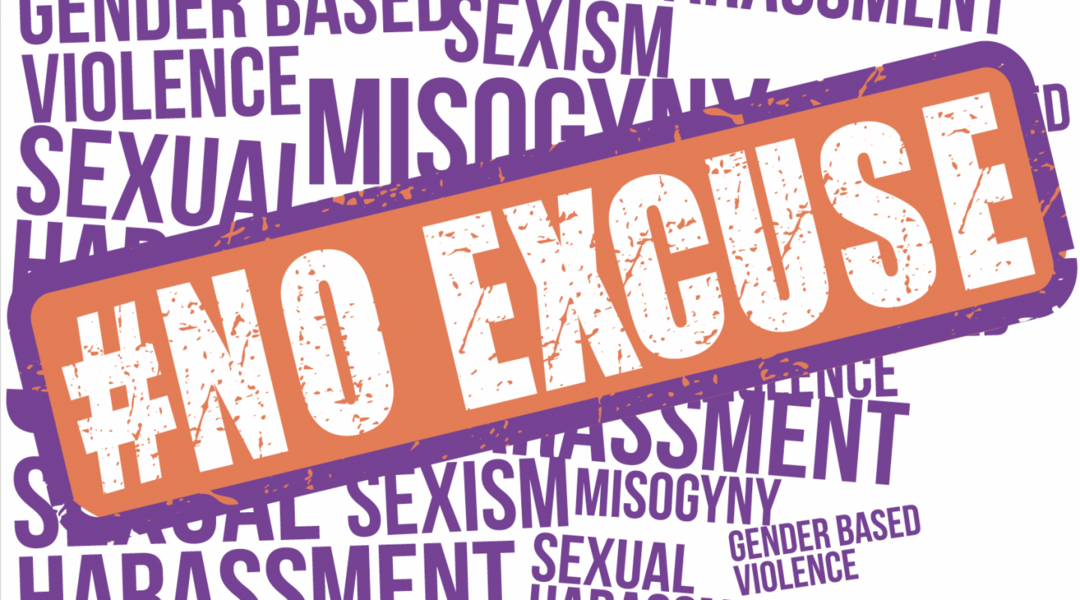
A recent high-profile sexual harassment allegation involving a senior public official in Gyeongnam Province has officially transitioned from a preliminary investigation to a formal judicial proceeding. While a final verdict remains pending, the prosecution's decision to move forward sends a definitive message: the claims are not mere "misunderstandings" or "accidental happenings." Instead, they are grounded in credible evidence and testimony that demand legal scrutiny.
However, beyond the courtroom, this case exposes a recurring and deeply troubling pathology within the corridors of power. Whenever a leader is accused of such misconduct, a predictable script unfolds. We hear variations of: "I had no such intention," "I didn't realize it would be a problem," or, most damagingly, "the accuser has a hidden political agenda."
The Shield of "Intent"
Jung Yun-jeong, director of the Sancheong Sexual Violence Counseling Center, argues that these defenses are not just weak—they are indictments of the leaders' characters. "The idea that a sexual harassment claim could be 'prepared' or 'orchestrated' to attack a person in power is a preposterous inversion of reality," Jung notes. In truth, the power dynamic itself often silences victims, forcing them to weigh the pursuit of justice against the threat of social isolation and professional retaliation.
The frequent plea of "lack of intent" reveals a profound absence of gender sensitivity. Gender sensitivity is not about whether one "meant" to cause harm; it is the capacity to recognize the power imbalances that make it difficult for subordinates to refuse or protest. It is the ability to empathize with the humiliation and discomfort felt by the other party. For a public official to claim ignorance in this regard is not a mistake—it is a failure of professional duty.
Power as a Public Standard
This issue transcends individual morality. A leader's conduct serves as a barometer for how a society treats its most vulnerable members. Human rights and gender sensitivity are not optional virtues; they are mandatory competencies for anyone holding public office. This is why mandatory education exists for all civil servants. When a high-ranking official fails these standards, they don't just betray a victim—they erode the social trust and safety of the entire community.
The Responsibility of Authority
As the judicial process takes its course, it must not be used as a shield to defer moral and ethical accountability. Public figures must prioritize the protection of the victim and the prevention of "secondary victimization"—the social lynching that often follows a report.
In an era where the standards for human dignity are constantly rising, the "I didn't know" defense is obsolete. Ignorance of the impact of one's power is, in itself, a form of irresponsibility. For those in power, their words and actions are the standard. When that standard falls, the safety of society collapses with it.
The time for silence and excuses has passed. What the public demands now is not a denial of intent, but a demonstration of accountability.
[Copyright (c) Global Economic Times. All Rights Reserved.]