![[등록] 2026-09-01 15:48:31](/support/_updata/banner2/tl181982910_6749.png)


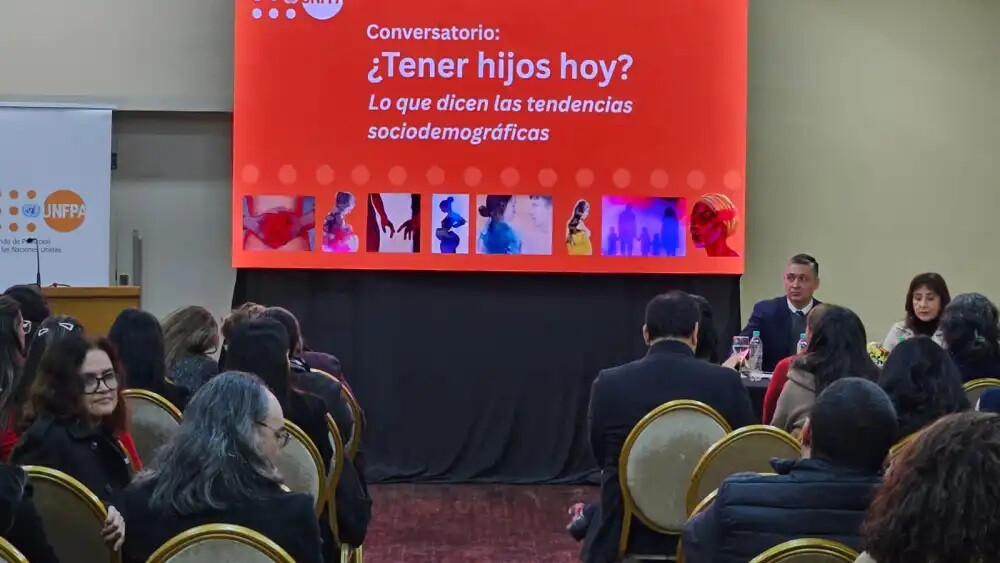
On July 3, 2025, a discussion titled "Having a Child Today: What Sociodemographic Trends Tell Us," hosted by the United Nations Population Fund (UNFPA), delved into the profound causes of low birth rates. This discussion coincided with the release of UNFPA's annual report, "The State of World Population 2025: True Fertility Crisis: Gaining Reproductive Freedom in a Changing World," which highlighted various obstacles contributing to the decline in birth rates, from economic instability to gender inequality.
Reasons for Having Fewer Children: A Complex Mix of Economic, Social, and Cultural Factors
According to the report, the primary reason for declining birth rates isn't that people don't want children, but rather that they face various obstacles such as high living costs, restrictive gender norms, and uncertainty about the future. In fact, one in five people reported expecting to have fewer children than they desire.
Ignacio Pardo, a researcher and professor at the University of the Republic of Uruguay, explained that a global trend of decreasing birth rates is observed almost without exception. This can largely be categorized into three factors:
First, economic factors. An unstable job market and the high cost of raising children are cited as major reasons many individuals hesitate to have children. The economic burden is particularly exacerbated by the continuous increase in essential expenditures for childcare, such as housing, education, and healthcare. Younger generations often feel they lack the economic means to raise children due to unstable jobs and incomes.
Second, social factors. Women, in particular, face significant challenges in balancing work and childcare. Imbalances in household division of labor, inflexible workplaces, and a lack of adequate childcare services lead women to confront career interruptions or excessive burdens. While women's increased participation in society has led to a greater desire for personal achievement and career development, the social structure where the burden of childcare and household chores still largely falls on women directly impacts birth rates. Furthermore, Professor Pardo noted that an uncertain social environment, instability in marital relationships, and delayed decisions about family formation create an unfavorable atmosphere for having children, leading many to postpone or reconsider forming families.
Third, changing values. Professor Pardo explained that a shift in values where self-realization and other life projects become more important, also known as the 'second demographic transition,' contributes to declining birth rates. In the past, marriage and childbirth were considered natural life stages, but in modern society, with a greater emphasis on individual happiness, achievement, and diverse lifestyles, having children is no longer seen as an essential choice. The emergence of various family forms, such as singlehood, child-free individuals, and DINKs (Double Income, No Kids), reflects this change in values.
Policy Recommendations for Fostering a Pro-Birth Environment
In response to this situation, Rocío Galiano Marés, UNFPA Representative in Paraguay, emphasized the importance of implementing policies sensitive to family needs and encouraging equal participation of men and women in childcare and household responsibilities. She stated that family leave for both parents and legislation reflecting diverse family forms are essential for creating a favorable environment. Policies should not solely focus on increasing birth rates, but rather on helping motherhood, fatherhood, and individual development harmoniously, and encouraging men to actively participate in childcare.
Iván Ojeda, Director of the National Institute of Statistics (INE) in Paraguay, presented an analysis of changes in Paraguay's total fertility rate and the factors determining these trends, such as improved female education levels, delayed marriage age, and women's participation in the labor market. These factors are recognized as core causes of declining birth rates not only in Paraguay but also in many other countries.
This discussion brought together government officials, academics, international organizations, and civil society representatives to analyze the challenges and opportunities facing demographic trends in Latin America and the Caribbean. It reaffirmed that the issue of low birth rates is closely linked to structural changes across society and requires a multifaceted understanding and policy efforts.
[Copyright (c) Global Economic Times. All Rights Reserved.]