![[등록] 2026-09-01 15:48:31](/support/_updata/banner2/tl181982910_6749.png)


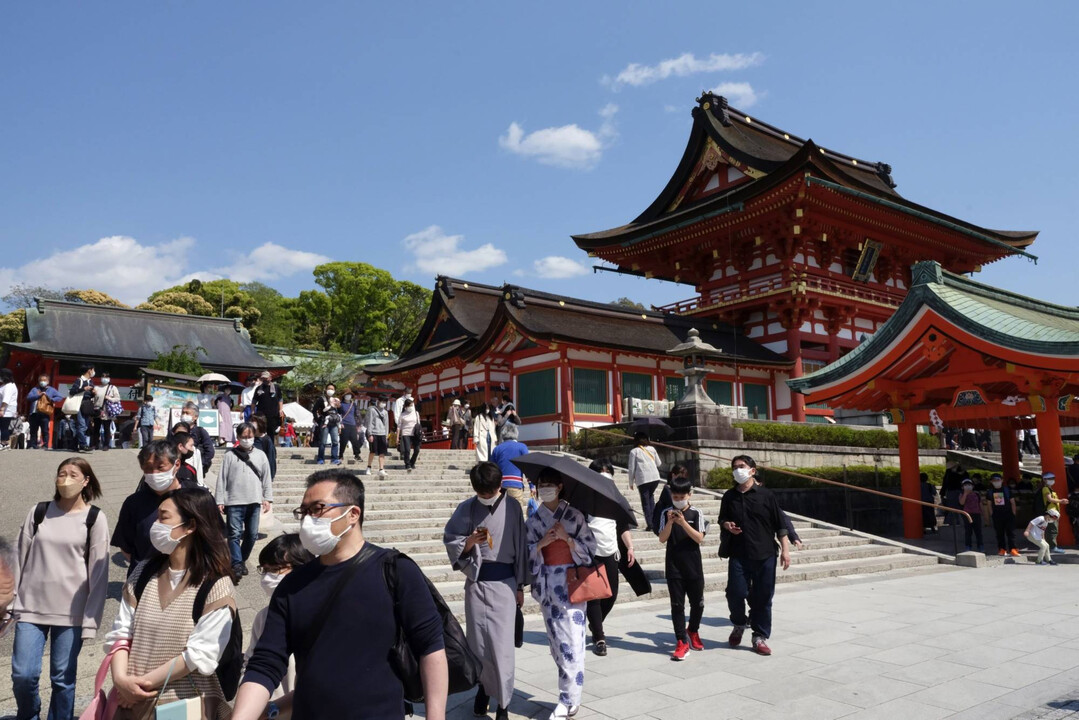
Despite the recent strengthening of the Japanese yen, the demand for travel to Japan among South Korean tourists surprisingly increased between late last year and early this year.
According to an analysis of domestic customers' credit card usage data in Japan by Hana Card, covering the three-month period from December 2024 to February 2025, the number of users reached 330,366, and the total spending amounted to approximately 227.5 billion Korean won. This represents a significant increase of 17.3% in the number of users and 15.0% in spending compared to the same period in the previous year. Furthermore, Hana Card's TraveLog service also witnessed a surge in yen exchange transactions, with 1,517,215 transactions (a 32.6% increase) and a total exchanged amount of 192.8 billion Korean won (a 3.4% increase) during the same timeframe.
This data suggests that the impact of the recent yen appreciation on travel demand has been less significant than initially anticipated, especially considering the surge in Japan travel demand driven by the weak yen in the previous year. The Japan National Tourism Organization (JNTO) reported that the number of South Korean visitors to Japan in January 2025 reached a record high of 967,100, marking a 12.8% increase compared to the same month in the previous year. This figure represents the highest number of South Korean tourists visiting Japan in any single month on record, underscoring the continued strong interest in Japan as a travel destination for South Koreans.
However, with the won-yen cross rate surpassing the 1,000 won mark, signaling a rapid strengthening of the yen, the sustainability of this robust demand remains uncertain. The won-yen exchange rate bottomed out in June 2024 at around 850 won per 100 yen and has been steadily climbing since, finally exceeding the 1,000 won threshold on April 7th, 2025. This significant currency shift has raised concerns about its potential dampening effect on future travel demand.
In fact, while the overall number of South Korean card users and the total spending in Japan increased between December 2024 and February 2025, the average spending per person decreased by 2% to 688,514 won, compared to 702,441 won during the same period the previous year. Notably, the average spending per person in February 2025 stood at 667,451 won, a 5.2% decrease from the 703,839 won recorded in January 2025, a period that witnessed a significant surge in the yen's value. This trend indicates that while South Koreans are still traveling to Japan, they are becoming more price-sensitive and adjusting their spending habits in response to the stronger yen.
A representative from Hana Card commented, "Due to the yen's appreciation, customers are paying closer attention to exchange rates and making more rational consumption decisions. If the yen's strength persists, we cannot be certain about its future impact on the demand for travel to Japan." This cautious statement reflects the uncertainty within the travel industry regarding the long-term effects of the currency fluctuations on travel patterns.
On a contrasting note, the spending by Japanese tourists using credit cards in South Korea during the same period (December 2024 to February 2025) showed a significant increase of 39% compared to the previous year. This suggests a potential shift in the travel balance between the two countries, possibly influenced by the weaker Korean won relative to the Japanese yen.
Analysis and Implications
The initial resilience of South Korean travel demand to Japan despite the stronger yen can be attributed to several factors. Firstly, the lingering effects of the previous year's yen depreciation likely made Japan appear relatively affordable for a considerable period. Many travelers might have planned and even partially prepaid for their trips based on the earlier, more favorable exchange rates. Secondly, the strong cultural affinity and the popularity of Japan as a travel destination for South Koreans, driven by factors such as proximity, diverse attractions (including cuisine, pop culture, and natural landscapes), and well-established tourism infrastructure, may have outweighed the immediate concerns about currency fluctuations for some travelers. The pent-up travel demand following the pandemic might have also contributed to the continued interest in international travel, with Japan being a primary beneficiary.
However, the observed decrease in per-person spending signals a growing price sensitivity among South Korean tourists. As the yen continues its upward trajectory, travelers are likely to become more cautious with their spending, opting for more budget-friendly accommodations, dining options, and souvenirs. This could lead to a decrease in the overall revenue generated by South Korean tourists in Japan, even if the number of visitors remains relatively stable in the short term.
The record-breaking number of South Korean visitors in January 2025 might represent a peak before the full impact of the sustained yen appreciation is felt. As the higher exchange rate persists, potential travelers might reconsider their plans, opt for shorter trips, or choose alternative destinations with more favorable exchange rates. The travel industry will be closely monitoring booking trends and consumer sentiment in the coming months to gauge the true impact of the yen's strength on South Korean tourism to Japan.
The significant increase in spending by Japanese tourists in South Korea presents an interesting counter-trend. The weaker Korean won makes South Korea a more attractive and affordable destination for Japanese travelers, potentially boosting the South Korean tourism industry. This reciprocal flow of tourism could partially offset any potential decline in spending by South Korean tourists in Japan.
Future Outlook
The future of South Korean travel demand to Japan hinges on the trajectory of the won-yen exchange rate. If the yen continues to strengthen, a more pronounced decrease in travel demand and per-person spending is likely. Travel agencies and tourism operators will need to adapt to these changing economic conditions by offering more value-oriented packages and promotions to maintain traveler interest.
Furthermore, the South Korean government and tourism authorities might need to explore strategies to mitigate the impact of currency fluctuations on outbound tourism, such as promoting domestic travel or diversifying popular international destinations. The competitiveness of South Korea as a destination for Japanese tourists will also depend on various factors, including marketing efforts, cultural exchange programs, and the overall economic climate in both countries.
In conclusion, while the initial data suggests a surprising resilience in South Korean travel demand to Japan despite the recent yen appreciation, the decrease in per-person spending and the continued strengthening of the yen indicate a potential shift in travel patterns. The long-term impact on tourism flows between South Korea and Japan will depend on the interplay of currency exchange rates, economic conditions, and the enduring appeal of each country as a travel destination. The travel industry in both nations will need to remain agile and responsive to these evolving dynamics to ensure sustainable growth.
[Copyright (c) Global Economic Times. All Rights Reserved.]