![[등록] 2026-09-01 15:48:31](/support/_updata/banner2/tl181982910_6749.png)


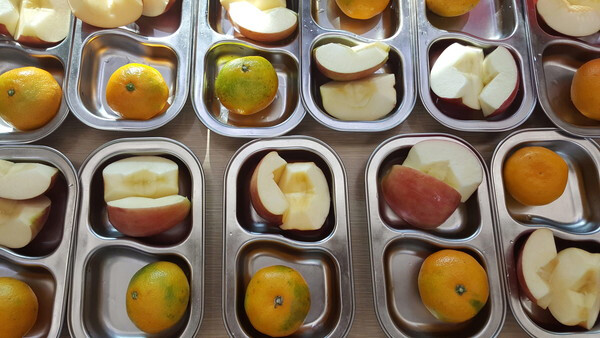
Seoul, South Korea – In a significant stride towards fostering healthier lifestyles among its youth, the Seoul Metropolitan Government has announced a substantial expansion of its flagship 'Let's Eat Fruits, Kids!' program for 2025. This initiative, a collaborative effort between public and private entities, is designed to combat nutritional deficiencies and cultivate enduring healthy eating habits in children, particularly those from vulnerable socioeconomic backgrounds. The program's enhanced reach will now encompass all applying facilities, marking a considerable increase in its impact across the city.
Since its inception as a pilot project in 2011 and its full-scale implementation in 2013, 'Let's Eat Fruits, Kids!' has been a vital lifeline for community children's centers and regional children's welfare centers. The program's core function involves the regular provision of fresh, seasonal fruits and vegetables, coupled with essential nutrition education, to children attending these facilities. This multi-pronged approach not only addresses immediate nutritional needs but also empowers children with the knowledge to make informed dietary choices throughout their lives.
The success of the program has been underpinned by a robust network of partnerships, including the Seoul Agro-Fisheries & Food Corporation and major agricultural wholesale companies such as Seoul Gyeonggwa Co., Ltd., Nonghyup Economic Holdings Garak Market, Joongang Gyeonggwa Co., Ltd., Donghwa Gyeonggwa Co., Ltd., Korea Gyeonggwa Co., Ltd., and Dae-A Gyeonggwa Co., Ltd. The involvement of organizations like Hope Sharing Market Co., Ltd., and the active participation of all 25 of Seoul's autonomous districts have further solidified the program's foundation and reach.
For the 2025 iteration, the Seoul Metropolitan Government has broadened the program's scope to include after-school academies for teenagers, recognizing the continued importance of healthy eating habits as children transition into adolescence. Furthermore, Keyoom Centers, which provide comprehensive childcare services, particularly in districts with lower financial self-sufficiency, will now also benefit from the initiative. This strategic inclusion aims to address nutritional disparities across different socioeconomic strata within the city.
Perhaps the most impactful change for the upcoming year is the decision to support all institutions that apply to the program. This commitment to universal access eliminates previous limitations and ensures that a greater number of children will have the opportunity to incorporate nutrient-rich fruits and vegetables into their daily diets. The overwhelming response to this expanded opportunity is evident in the application numbers: a staggering 480 facilities have applied for the 2025 program, doubling the 243 institutions supported in the preceding year. These selected facilities will receive weekly deliveries of fresh, seasonal produce every Tuesday and Thursday from August 8th, 2025, through February 2026.
The Seoul Metropolitan Government has attributed this significant expansion to the compelling requests from parents and child welfare organizations who have observed the positive impact of the program on children's eating habits. The proactive engagement and financial contributions of sponsoring organizations, deeply invested in the well-being of Seoul's children, have also been instrumental in making this ambitious expansion a reality.
The scientific consensus on the critical role of fruit and vegetable consumption in children's health is well-established. A diet rich in these nutrient-dense foods provides essential vitamins, minerals, and fiber, which are crucial for optimal growth, cognitive development, and the prevention of chronic diseases later in life. Studies have consistently shown that children who consume adequate amounts of fruits and vegetables tend to have better overall health outcomes, including a reduced risk of obesity, type 2 diabetes, and cardiovascular disease. Furthermore, adequate nutrition plays a vital role in academic performance and behavioral regulation.
The 'Let's Eat Fruits, Kids!' program goes beyond mere provision; it integrates nutrition education to empower children with the knowledge to make healthy choices independently. This educational component is crucial for fostering long-term healthy eating habits that extend beyond the program's duration. By engaging children in learning about the benefits of different fruits and vegetables, the program aims to cultivate a positive relationship with these essential food groups.
Kim Tae-hee, the Director of the Seoul Metropolitan Government's Public Health Bureau, emphasized the long-term significance of the initiative, stating, "Forming healthy eating habits during childhood is the cornerstone of lifelong health. We will continue to build a comprehensive support network for healthy eating so that more children can grow up healthy." This commitment underscores the city's understanding of the profound impact that early nutritional interventions can have on the future health and well-being of its citizens.
The expansion of the 'Let's Eat Fruits, Kids!' program represents a significant investment in the health and future of Seoul's children. By removing barriers to participation and increasing the program's reach, the city is demonstrating a proactive commitment to addressing nutritional disparities and promoting healthy lifestyles from an early age. This initiative serves as a commendable model for other urban centers seeking to improve the health and well-being of their young populations. The anticipated positive impact on the health and development of thousands more children in Seoul underscores the importance of such public-private partnerships in fostering a healthier future.
[Copyright (c) Global Economic Times. All Rights Reserved.]