![[등록] 2026-09-01 15:48:31](/support/_updata/banner2/tl181982910_6749.png)


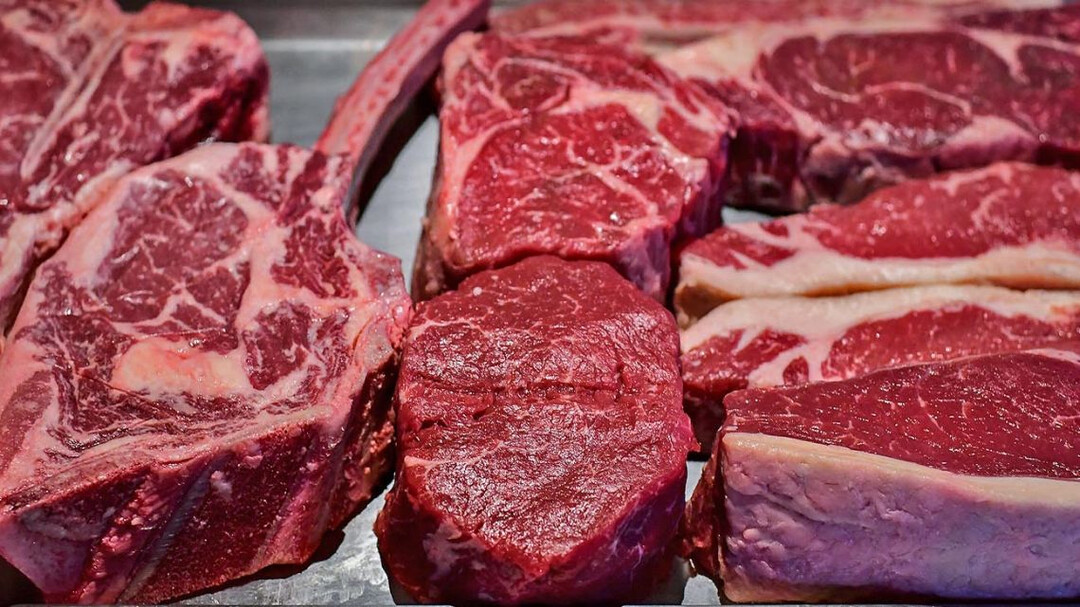
BUENOS AIRES – At the Villarroel meat processing plant on the outskirts of Buenos Aires, skilled workers are expertly butchering Argentine beef, popular in restaurants worldwide from Shanghai to New York. However, Argentina's steak exports are currently facing a downturn, burdened by increased costs due to the strengthening of the local peso.
Beef exports, once boasting a reputation for the world's highest quality and serving as a crucial pillar of Argentina's economy, are showing worrying signs. As the Argentine peso has continued to strengthen in 2025, production costs have risen. This has led to a decline in the price competitiveness of beef exports, resulting in a sharp drop in export volumes.
According to the Argentine National Service for Agri-food Health and Quality (Senasa), beef exports in the first four months of this year amounted to only 255,000 tons, a decrease of approximately 20% compared to the previous year. Particularly alarming for the Argentine beef export industry is the significant reduction in shipments to China, its largest and most price-sensitive buyer, which plummeted from 203,000 tons in the same period last year to 137,000 tons.
The Shadow of a Strong Currency: Weakened Export Competitiveness
While a strong Argentine peso can positively impact domestic inflation by lowering import prices, it can be detrimental to export companies. This is because an appreciating peso makes Argentine products relatively more expensive in international markets, thereby weakening export competitiveness. The beef industry is directly experiencing the effects of this strong currency. Increased peso-based costs across all aspects of production, including feed, transportation, and labor, have made it difficult to lower export prices.
This situation not only leads to a decrease in beef export volumes but also raises concerns about negative ripple effects across the entire Argentine economy. The beef industry is one of Argentina's main sources of foreign currency income, and a significant number of people are employed in related sectors. A decline in exports could lead to reduced income for agricultural and livestock workers, job insecurity, and adversely affect the nation's overall trade balance.
Changes in the Chinese Market and Argentina's Challenges
China, as the largest importer of Argentine beef, has profoundly influenced the fortunes of Argentina's beef industry. However, with the recent slowdown in China's economic growth, overall import demand is contracting, and price sensitivity is increasing. In this context, the weakened price competitiveness of Argentine beef is further narrowing its foothold in the Chinese market.
Argentina is a global beef producer, and livestock farming is a significant part of its national identity. However, in recent years, the beef industry has faced various difficulties due to climate change-induced droughts and government export restriction policies. With the addition of a strong currency as a new obstacle, the Argentine beef industry is now confronted with even more complex challenges.
The Future of Argentina's Beef Industry?
The Argentine government and beef industry stakeholders are taking this sharp decline in exports seriously and are exploring multifaceted solutions. In the short term, policy support to alleviate the burden on export companies through exchange rate volatility management could be discussed. In the long term, there is a strong call to strengthen competitiveness through productivity improvements, the development of high-value-added products, and the exploration of new export markets.
Furthermore, analysis suggests the need for a strategy to actively leverage the environmentally friendly and healthy image of Argentine beef as "grass-fed cattle" and to solidify its position in the premium market through stricter quality control. This is driven by the global wellness trend and increasing demand for healthy and safe food.
The future of Argentina's beef industry, and how its proud and representative export, steak, will overcome its current challenges and regain its reputation in the global market, remains a point of keen interest.
[Copyright (c) Global Economic Times. All Rights Reserved.]