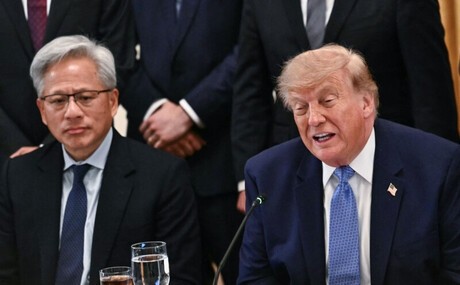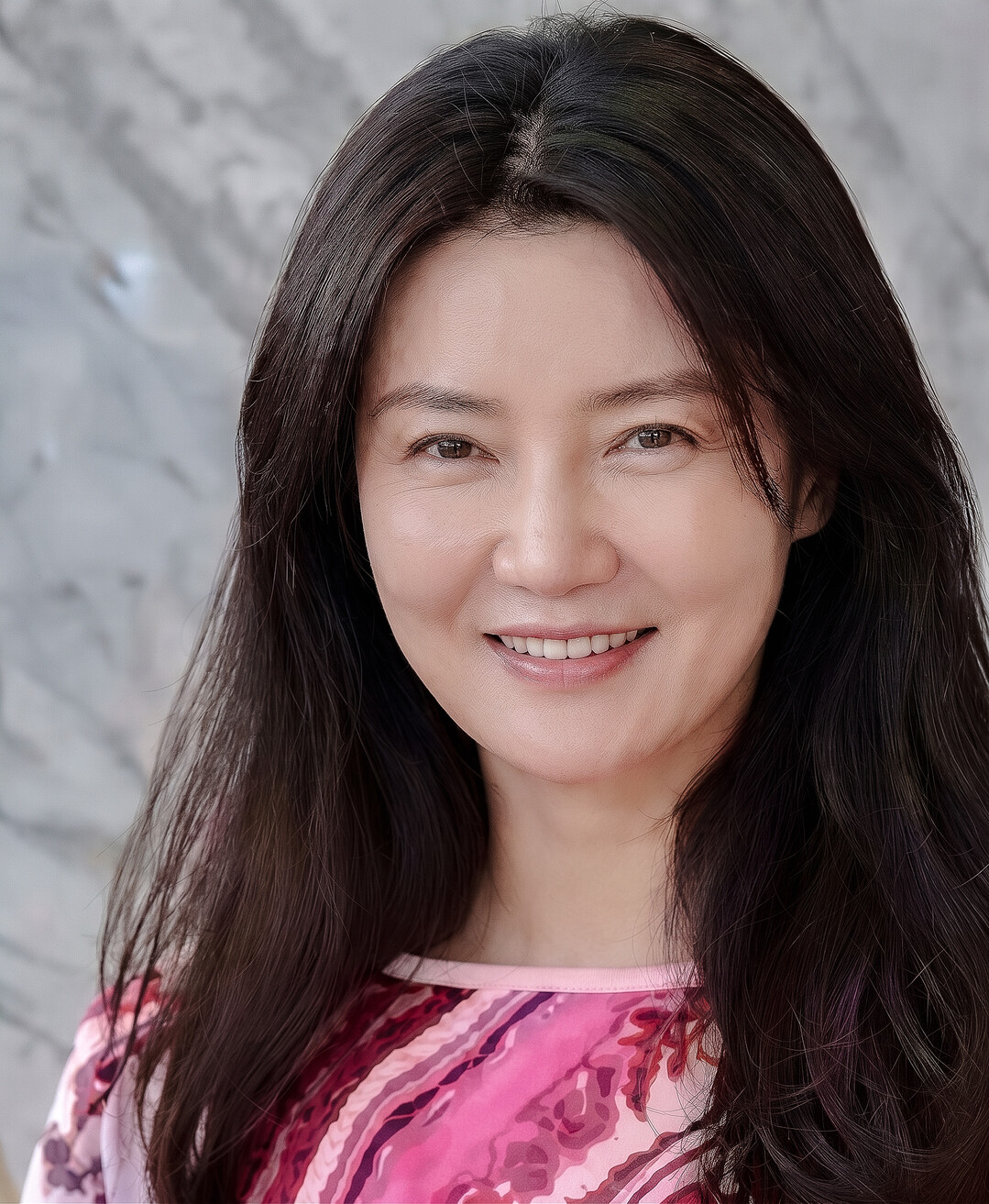
An expansive investigation has shed new light on the background of Alice Huang, a 43-year-old businesswoman whose close personal and professional ties to Nvidia CEO Jensen Huang have placed her at the center of escalating geopolitical scrutiny over artificial intelligence hardware.
According to investigative findings reported by The New York Times—drawn from corporate filings, internal records, and interviews across four countries—Huang’s ascent from a provincial industrial settlement in China to the upper echelons of global tech finance has raised significant national security concerns in Washington.
Roots in China’s Defense Sector
Huang was raised in Nanzhushan, a town in Hunan Province located near Mao Zedong’s childhood home. Her family lived in a residential compound attached to State-owned Factory 282, a facility producing grenades and missile parts under Norinco, a major state defense conglomerate currently subject to U.S. sanctions. While her father held an administrative role at the plant, details regarding her early years remain tightly guarded, with foreign journalists encountering local security detentions when attempting to interview residents in the area.
Following a stint at a local nursing school, Huang transitioned into media, working at state broadcaster CCTV before enrolling in a graduate media management program at Hong Kong Baptist University in 2006. Former peers noted her affluent lifestyle and infrequent attendance, fueling speculation about influential political connections on the mainland.
By 2010, Huang had entered Beijing’s elite business circles, co-founding a venture inside an exclusive golf club frequented by senior officials and business figures. Four years later, she shifted her operations to Shanghai, partnering with financier Kang Wei to co-invest alongside a fund linked to the family of former Vice Premier Liu He, further cementing her access to China’s political and financial establishment.
Circumventing Chip Restrictions
Huang’s pivot into the AI sector accelerated during the COVID-19 pandemic with the launch of the Yangtze River Delta AI Advanced Computing Center, a project supported by Shanghai authorities. By acquiring Nvidia processors and leasing out computing capacity, the venture reportedly facilitated indirect access to restricted U.S. technology for sanctioned state defense firms, such as AVIC, and research institutions tied to the People’s Liberation Army.
When Washington imposed stricter export controls on high-end semiconductors, Huang expanded her corporate footprint abroad. Following introductions facilitated by Nvidia's sales network in 2022, she utilized an offshore entity in the British Virgin Islands to take control of Singapore-based Megaspeed in 2023. Operating through Southeast Asian hubs, Megaspeed acquired billions of dollars in advanced Nvidia hardware, effectively linking offshore computing infrastructure with data networks in mainland China. During this period, Huang publicly documented her high-profile global business travels, sharing images of private dinners with Jensen Huang across Asia.
Intelligence Scrutiny
The intersection of Huang’s personal life and business dealings has drawn heightened attention from U.S. intelligence agencies. Over the past year, authorities reportedly tracked communications between Huang and operatives affiliated with China’s Ministry of State Security (MSS). Investigators also uncovered suspected links between the intelligence agency and Kang Wei, whom Huang had presented as her spouse.
These intelligence findings coincide directly with the timeline of Huang’s reported romantic involvement with Nvidia’s chief executive and Megaspeed’s aggressive procurement of restricted AI chips, underscoring the complex security vulnerabilities surrounding global semiconductor supply chains.
[Copyright (c) Global Economic Times. All Rights Reserved.]