![[등록] 2026-09-01 15:48:31](/support/_updata/banner2/tl181982910_6749.png)


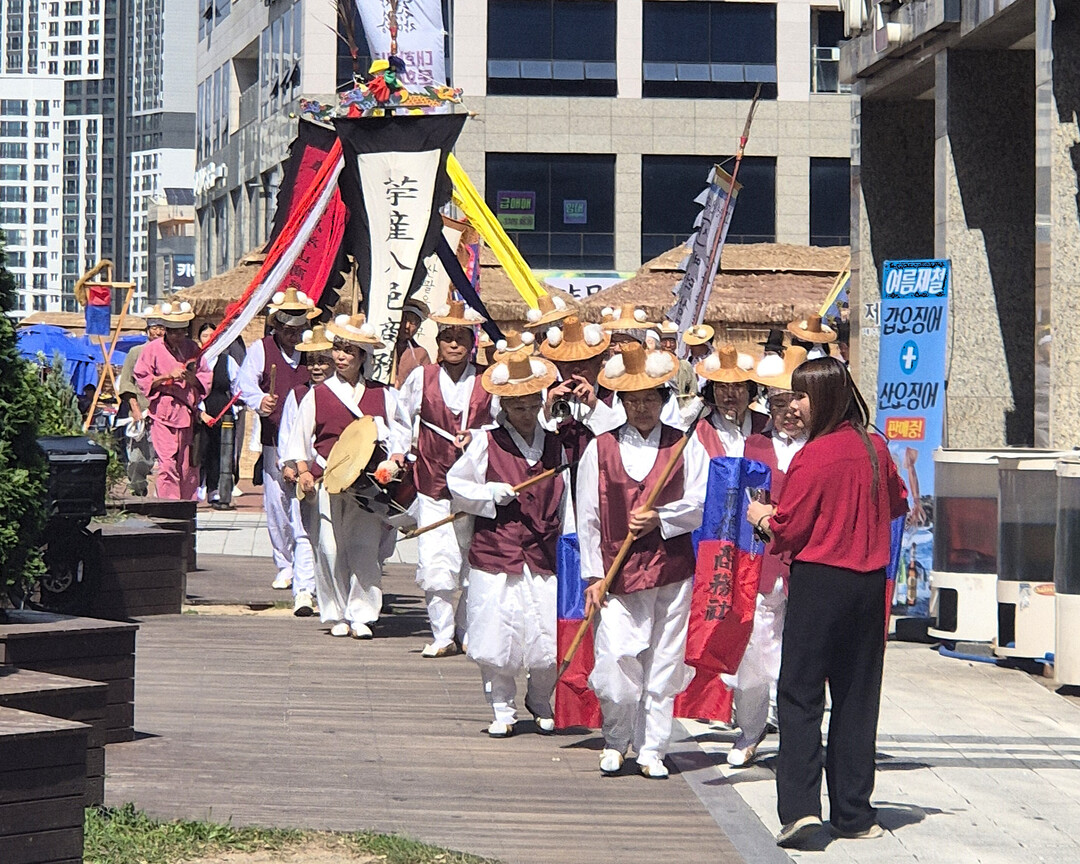
On September 18, the "2026 Bobusang Cultural Festival: Bobusang, A Mutual Growth Market Connecting Regions," jointly hosted by the Chungnam Cultural Tourism Foundation and the Hongju Cultural Tourism Foundation’s Culture City Center at Naepo Citizen's Square, concluded with great success. The event was especially meaningful as it went beyond traditional Bobusang rituals, performances, and experiences, confirming the potential of a "mutual growth-type festival" where local commercial districts directly participate and visitor consumption is linked to the local economy, fostering simultaneous growth in culture and regional economics.
To measure its impact, the Foundation compiled visitors' consumption records at nearby stores through a "local commercial district receipt event" held on the day of the event. Applying the Bank of Korea's regional industry input-output coefficients to these figures, the Foundation analyzed the economic ripple effects. The analysis estimated that the local economic impact generated by the festival amounted to approximately 120 million won.
In particular, as some 2,000 residents and visitors flocked to the venue on the Friday evening of the event, a rare wave of vitality swept through downtown Naepo. After enjoying performances and experiential programs, visitors headed to nearby restaurants and cafes for meals and leisure, showing how festival participation naturally translated into the utilization of surrounding commercial districts.
Since this analysis was calculated primarily based on the consumption figures verified through the receipt event, the Foundation notes that the actual economic impact on the local community is likely to be even greater when considering additional linked consumption, such as dining and cafe visits by attendees who did not participate in the event.
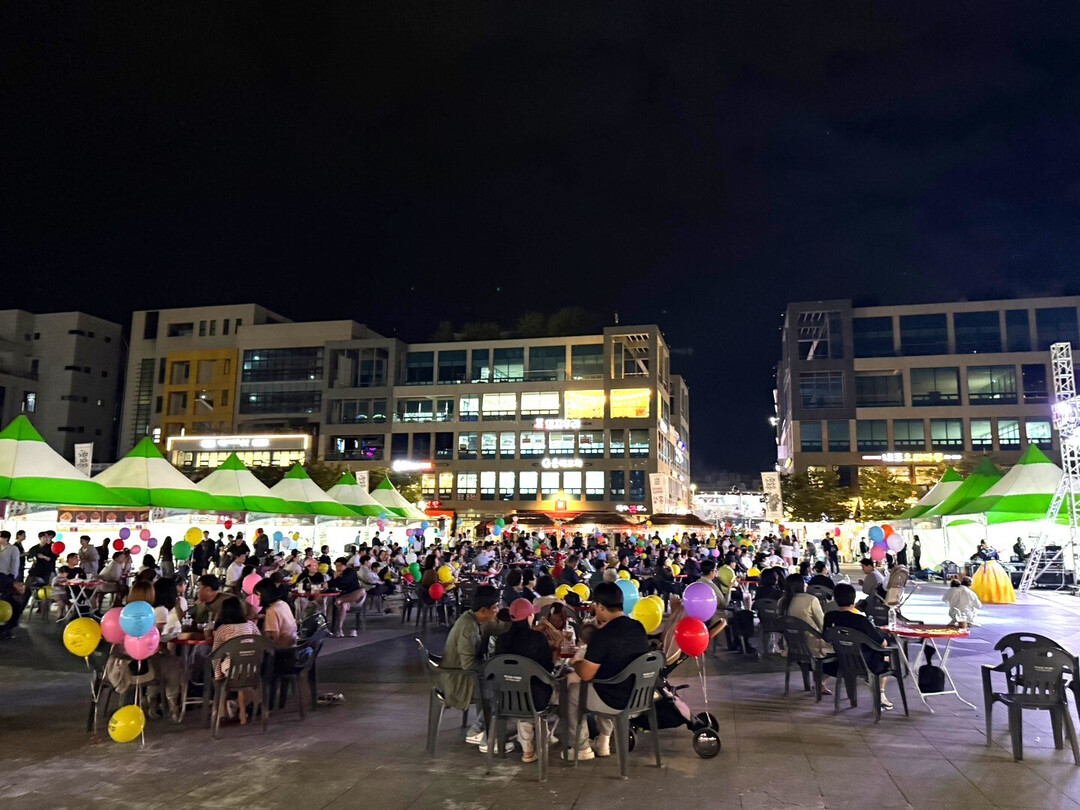
The "Mutual Growth Pocha," featuring direct participation from local merchants, also played a crucial role in connecting visitors with the local commercial area. Restaurants from the Naepo region directly presented food at the festival site, and by driving consumption both inside and outside the venue through receipt events, they expanded visitors' footsteps beyond the event grounds into the neighboring commercial district. This was evaluated as a modern expansion of Bobusang's historical significance of connecting past markets and regions, simultaneously promoting cultural enjoyment and regional economic revitalization.
Alongside its economic impact, cultural arts programs that reinterpreted Bobusang—Chungnam's representative traditional culture—into modern experiential and performance content also received enthusiastic responses. Rather than simply reproducing tradition, the programs were structured so that multiple generations, from children to middle-aged adults, could participate and enjoy them together, demonstrating the potential for Bobusang culture to expand into content that bridges eras and generations.
In particular, through cooperation with the Chungnam Bobusang Council—comprising four Chungnam Bobusang groups: Yeduk Sangmusa, Imcheon Bobusang, Hongsan Bobusang, and Wonhongjudeung Army Sangmusa—traditional Bobusang rituals such as the Bobusang procession, Gongmunje, Jeonjangsik, and Sincha Yeonggam Gwirim Haengcha were reenacted, showcasing the historical value of Chungnam's Bobusang and the living site of traditional culture transmission to residents.
Additionally, the festival featured participatory programs utilizing Bobusang cultural heritage, such as a market-shopping experience, Secret Guardians, Bobusang obstacle course, photo zones, and face painting, alongside diverse performances including traditional Korean music (Gugak), band music, bubble shows, and musical galas, crafting a vibrant cultural festival enjoyed by families and visitors of all generations.
Lee Ji-won, Head of the Arts Promotion Division at the Chungnam Cultural Tourism Foundation, stated, "Just as Bobusang historically connected markets to markets and people to regions, this festival confirmed that culture can serve as a medium connecting residents and local commercial districts. Moving forward, we will continue to discover sustainable cultural tourism content that modernly utilizes Chungnam's unique cultural heritage while allowing local merchants and residents to grow together."
[Copyright (c) Global Economic Times. All Rights Reserved.]