• 2026.11.11 (Wed)
  • All articles
  • LOGIN
  • JOIN
Global Economic Times
[등록] 2026-09-01 15:48:31
  • Synthesis
  • World
  • Business
  • Industry
  • ICT
  • Distribution Economy
  • Well+Being
    • Pet Life
    • Halal Horizon
  • Travel
  • Eco-News
  • Education
  • Korean Wave News
  • Opinion
  • Arts&Culture
  • Sports
  • People & Life
    • International Student Report
    • With Ambassador
  • Column
    • Cho Kijo Column
    • Cherry Garden Story
    • Ko Yong-chul Column
    • Kim Bong-seon's Photo Column
    • Kim Seul-Ong Column
    • Lee Yeon-sil Column
  • Photo News
  • New Book Guide
MENU
 
Home > Distribution Economy

EV Public Charging Discounts Prove Successful: Usage Surges 9.2% as South Korea Pilots Demand-Shifting Grid Strategy

Global Economic Times Reporter / Updated : 2026-06-13 15:40:45
  • -
  • +
  • Print


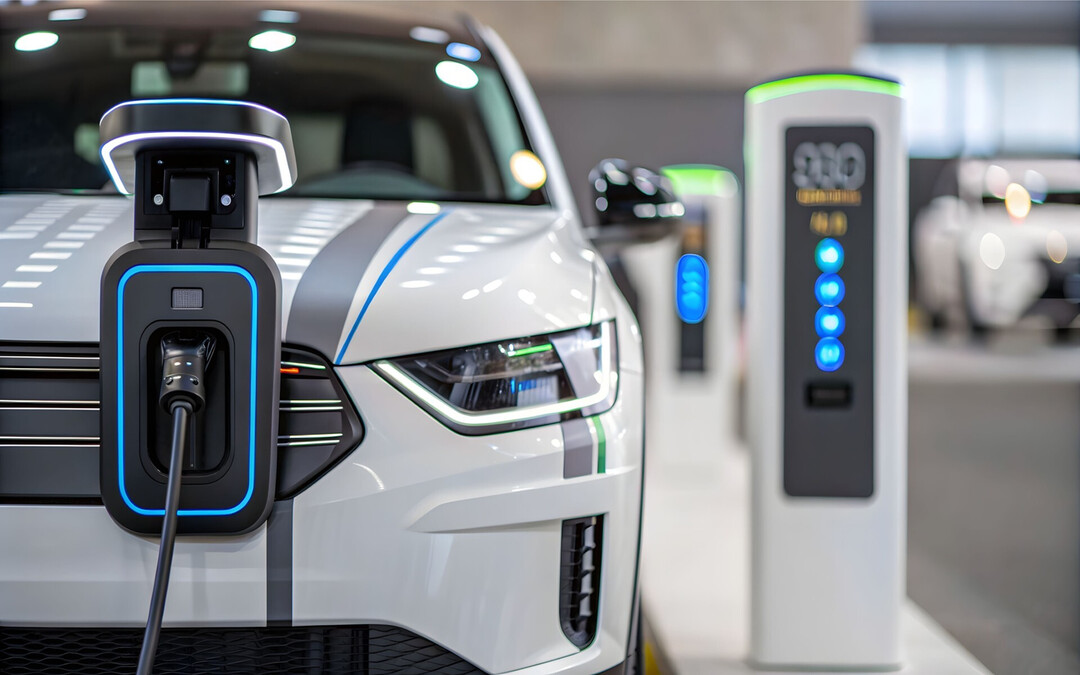
SEOUL — A targeted government initiative to lower public electric vehicle (EV) charging rates during peak renewable energy generation windows has successfully shifted consumer behavior while saving drivers tens of millions of won, according to new government data.

The Ministry of Climate, Energy, and Environment announced on Thursday the official results of its "Spring Weekend Public EV Charging Discount Program." The pilot project, aimed at aligning high EV charging demand with periods of surplus solar and wind power supply, demonstrated tangible success in both grid management and consumer engagement.

According to the Ministry, over the 17 designated discount days spanning from mid-April to late May, a total of 79,114 charging sessions were recorded across approximately 13,000 public charging stations nationwide. This represented a substantial 9.2% increase in daily average charging instances compared to the period before the incentives were implemented, with daily sessions averaging 4,654.

Ultimately, the initiative passed down a collective 75,458,441 KRW (approximately $55,000 USD) in direct financial benefits to South Korean EV owners, signaling strong public participation in the country's evolving eco-friendly policies.

Harnessing Surplus Renewable Energy

The primary driver behind the temporary price cut was not merely consumer welfare, but strategic grid optimization. As South Korea rapidly expands its solar and wind infrastructure, power grids increasingly face the challenge of "duck curves" and oversupply during clear weekend afternoons, when industrial energy consumption drops but renewable output peaks.

To mitigate this, the Ministry implemented the discount window specifically between 11:00 AM and 2:00 PM on weekends and public holidays from April 18 to May 31. During these hours, public charging rates were slashed by 40.1 to 48.6 KRW per kilowatt-hour (kWh).

By offering financial incentives during these specific hours, authorities successfully incentivized drivers to plug in their vehicles when clean energy was most abundant, effectively utilizing the EV fleet as a giant distributed battery network to absorb excess power.

Setting the Stage for Dynamic Pricing

Beyond the immediate numbers, government officials emphasized that the spring pilot served as a vital stress test for the nation's broader, long-term energy transition roadmap. The Ministry utilized the six-week window to rigorously audit the operational stability of its charging network, update software systems, and collect invaluable data on consumer elasticity regarding pricing models.

Looking ahead, the government plans to institutionalize these demand-response mechanisms. The Ministry confirmed it is already preparing a secondary iteration of the program scheduled for September and October, targeting the autumn shoulder season when solar output remains high but climate-control demand diminishes.

The ultimate goal of these seasonal pilots is to pave the way for a permanent, data-driven "Time-of-Use" (TOU) dynamic charging rate system linked directly to real-time grid supply.

"This pilot program carries significant weight as a crucial preliminary phase," said Jung Sun-hwa, Director General for Green Transition Policy at the Ministry of Climate, Energy, and Environment. "It has allowed us to thoroughly audit our fee-imposition mechanisms and systemic infrastructure ahead of the official rollout of our upcoming time-and-season-linked variable charging rate system."
As South Korea pushes toward its net-zero carbon goals, experts note that shifting the charging habits of the nation's growing EV user base will be paramount. The success of the spring discount suggests that when given the right economic signals, drivers are more than willing to play an active role in stabilizing the national grid.

[Copyright (c) Global Economic Times. All Rights Reserved.]

  • #Hormuz Impasse
  • #globaleconomictimes
  • #micorea
  • #mykorea
  • #nammidonganews
  • #singaporenewsk
  • #Samsung
  • #Daewoo
  • #Hyos
Global Economic Times Reporter
Reporter Page

Popular articles

  • World Citizens are Flying Directly to Busan... The Era of 4 Million Foreigners is Just Around the Corner

  • Cold Wave and Autumn Chill Hit Korea on "Ipdong": Gangwon -6°C, Seoul Real-Feel -4°C… Rain and Snow Expected in Central Regions on Sunday

  • Restoring Hearing with Genes, Cochlear Implants with Robots: Where Does Hearing Loss Treatment Stand Today?

I like it
Share
  • Facebook
  • X
  • Kakaotalk
  • LINE
  • BAND
  • NAVER
  • https://www.globaleconomictimes.kr/article/1065595149227824 Copy URL copied.
Comments >

Comments 0

Weekly Hot Issue

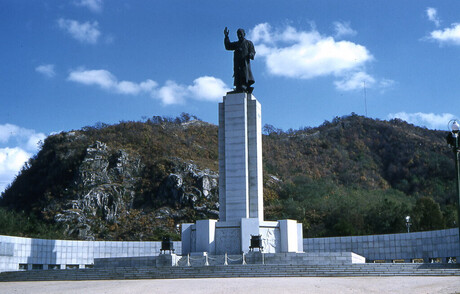
  • Inha University Caught in Campus Culture Clash Over Proposed Rhee Syng-man Statue Revival
  • Honoring a Legacy: Poet Oh Dong-chun Recognized for Lifelong Dedication to Hangul and Sijo Poetry
  • Bongeunsa Temple to Host 2026 Patriotic Buddhism Cultural Festa
  • South Korea Confronts a Growing Health Crisis as Adult Obesity Rates Surge
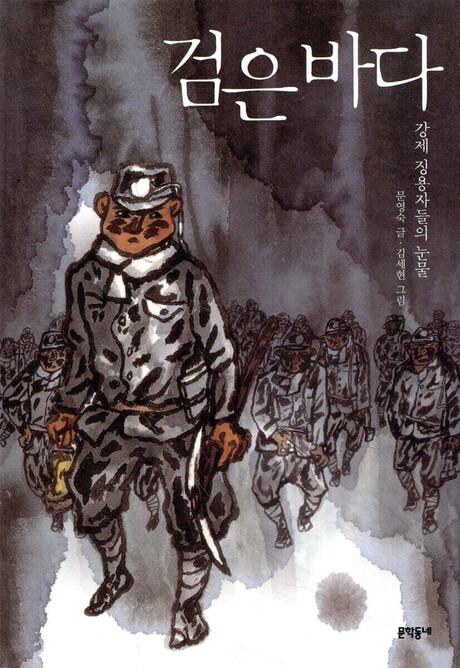
  • Pain of Chosei Coal Mine Meets Japanese Readers: Moon Young-sook Publishes Japanese Edition of 'Black Sea'
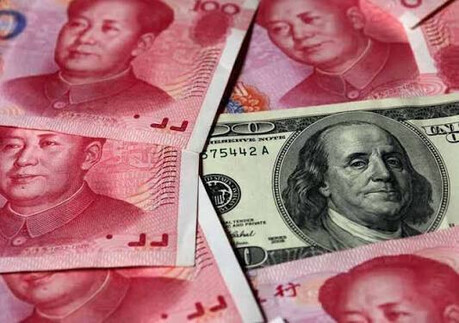
  • Beyond the Trillion-Dollar Mark: China’s Trade Surplus and the Debate Over Global Economic Dominance

Most Viewed

1
US Army Conducts Rare Temporary Burial Drills to Prepare for Worst-Case Large-Scale War Scenarios
2
World Citizens are Flying Directly to Busan... The Era of 4 Million Foreigners is Just Around the Corner
3
Eating 100g of Baechu Kimchi Daily Linked to Lower High-Cholesterol Risks
4
Meeting Christmas Early!… Busan Dessert Sales Event "Daldal The Market" Held
5
November Shopping Festival Sparks Retail War in South Korea: Where to Find the Best Deals
체리가든 스토리
nutri huevos
로타리
동포저널

Hot Issue

Jensen Huang Faces Shareholder Class Action and Leadership Scrutiny Amid Espionage Allegations Involving Former Associate

Disgraced South Korean Scientist Hwang Woo-suk Becomes UAE Citizen

Is South Korea Heading Toward France's Path? Aging Population and Fiscal Pressures Looming Ahead

Fashion Runway Show 2026

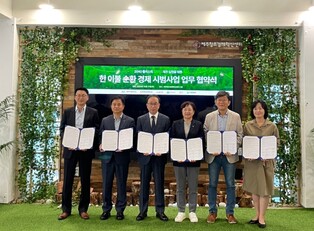
Let’s recycle the old blankets in Jeju Island’s closet instead of incinerating them.

Global Economic Times
korocamia@naver.com
CEO : LEE YEON-SIL
Publisher : KO YONG-CHUL
Registration number : Seoul, A55681
Registration Date : 2024-10-24
Youth Protection Manager: KO YONG-CHUL
Singapore Headquarters
5A Woodlands Road #11-34 The Tennery. S'677728
Korean Branch
Phone : +82(0)10 4724 5264
#304, 6 Nonhyeon-ro 111-gil, Gangnam-gu, Seoul
Copyright © Global Economic Times All Rights Reserved
  • News K
  • 반달곰 프로젝트
  • 광고문의
Search
Category
  • All articles
  • Synthesis
  • World
  • Business
  • Industry
  • ICT
  • Distribution Economy
  • Well+Being 
    • 전체
    • Pet Life
    • Halal Horizon
  • Travel
  • Eco-News
  • Education
  • Korean Wave News
  • Opinion
  • Arts&Culture
  • Sports
  • People & Life 
    • 전체
    • International Student Report
    • With Ambassador
  • Column 
    • 전체
    • Cho Kijo Column
    • Cherry Garden Story
    • Ko Yong-chul Column
    • Kim Bong-seon's Photo Column
    • Kim Seul-Ong Column
    • Lee Yeon-sil Column
  • Photo News
  • New Book Guide
  • Overseas Koreans
  • Multicultural News