• 2025.12.17 (Wed)
  • All articles
  • LOGIN
  • JOIN
Global Economic Times
APEC2025KOREA가이드북
  • Synthesis
  • World
  • Business
  • Industry
  • ICT
  • Distribution Economy
  • Well+Being
  • Travel
  • Eco-News
  • Education
  • Korean Wave News
  • Opinion
  • Arts&Culture
  • Sports
  • People & Life
  • Column
    • Cho Kijo Column
    • Lee Yeon-sil Column
    • Ko Yong-chul Column
    • Cherry Garden Story
  • Photo News
  • New Book Guide
MENU
 
Home > World

Nepali Couple Opens First Granulated Organic Fertilizer Plant to Combat Shortage

Ana Fernanda Reporter / Updated : 2024-12-05 16:28:43
  • -
  • +
  • Print


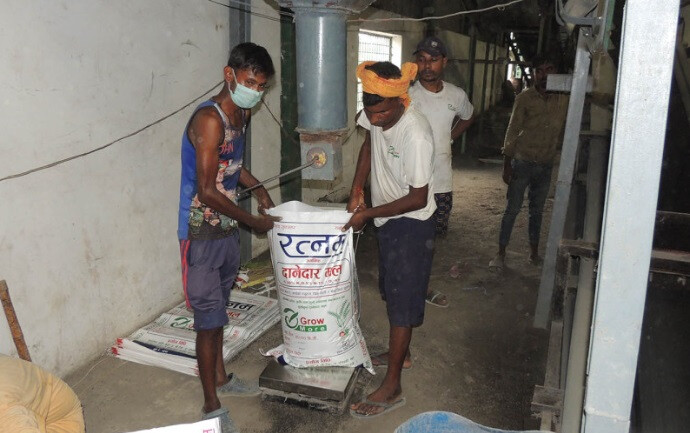
RUPANDEHI, Nepal - A Nepali couple, Siddhartha Agrawal and Poonam Kumari, have addressed a critical need for farmers by opening the country's first granulated organic fertilizer plant in Kothawa, Rupandehi district. The venture, named Grow More Fertiliser and Chemical, was born out of a fertilizer shortage experienced during the COVID-19 pandemic.

Addressing a National Shortage:

Nepal faces a chronic shortage of chemical fertilizers due to various factors, including limited domestic production, reliance on imports, and inefficient distribution systems. This shortage significantly impacts the nation's agricultural sector, which employs 60% of the workforce and contributes 24% to the GDP.

A Sustainable Solution:

Grow More's "Ratnam" granulated organic fertilizer offers a solution. The plant, with a daily production capacity of 200 tonnes, aims to meet the demands of farmers across Lumbini, Gandaki, Bagmati, and Madhesh provinces. The fertilizer is positioned as a cost-effective and superior alternative to traditional chemical fertilizers, boasting a balanced composition of essential nutrients like nitrogen, phosphorus, potassium, and others.

Overcoming Challenges:

The couple faced a year-long process to obtain government permits and another year to test the fertilizer's effectiveness. Despite challenges, they secured production permits from the Lumbini provincial Ministry of Agriculture and Livestock Development.

Positive Impact:

The launch of the plant is a welcome development for farmers. "There is a mix of all materials essential to maintain soil health," said Siddhartha. "We believe using fertilizer helps grow agricultural output." Additionally, the company aims to make the fertilizer readily available by establishing sales depots in over 100 locations across the target provinces.

Looking Forward:

Grow More hopes to capture a significant share of the fertilizer market and gradually replace chemical fertilizers with their organic option. The company's success could not only address Nepal's fertilizer dependence but also promote sustainable agricultural practices. With competitive pricing and increasing demand from local and even Indian farmers, the future looks bright for Grow More and Nepal's agricultural self-sufficiency.

[Copyright (c) Global Economic Times. All Rights Reserved.]

  • #globaleconomictimes
  • #koyongchul
  • #cherrylee
  • #seoulkorea
  • #periodicoeconomico
  • #글로벌이코노믹타임즈
  • #GET
  • #GETtv
  • #liderdel
Ana Fernanda Reporter

Popular articles

  • The Sudden Halt of Ayumi Hamasaki's Shanghai Concert: Unpacking the Rising Sino-Japanese Tensions

  • China Conducts Live-Fire Drills in Yellow Sea Amid Heightened Tensions with Japan

  • Peru's Congress Approves April 1st as 'Day of Korean Friendship,' Deepening Bilateral Ties

I like it
Share
  • Facebook
  • X
  • Kakaotalk
  • LINE
  • BAND
  • NAVER
  • https://www.globaleconomictimes.kr/article/1065597951044647 Copy URL copied.
Comments >

Comments 0

Weekly Hot Issue

  • 'AI' Dominates 2025 Book Titles in South Korea
  • End-of-Year Concert Extravaganza: Jo Sumi, Geum Nan-sae, and Danny Koo Headline Diverse Lineup
  • R.E.D. Sectors Poised for Growth in 2026, the Year of the 'Red Horse,' Driven by AI Investment Boom
  • South Korea Launches $115 Million Export Voucher Program to Boost SME Global Reach
  • Extension Granted for '2026 Honors for SME Contributors' Application
  • 44% of Recent Construction Projects Report Deficits, Industry Survey Finds

Most Viewed

1
Choi Bun-do, Chairman of PTV Group, Assumes Presidency of the Korean Chamber of Commerce and Industry in South Central Vietnam
2
From Court to Content: French Tennis Star Océane Dodin Trades Racquet for OnlyFans, Eyes $5M in a Year
3
Lee Dismisses Vice Minister Amid Allegations of Misconduct and Vetting Gaps
4
NVIDIA Lobby Succeeds? U.S. Bill Expected to Drop AI Chip Export Restrictions
5
US Layoffs Surge: Over 1.17 Million Job Cuts Announced in First 11 Months of 2025
광고문의
임시1
임시3
임시2

Hot Issue

South Korean AI Models Flunk College Entrance Math Exams, Lagging Far Behind Global Leaders

KRX Temporarily Slashes Stock Trading Fees by 20-40% to Counter ATS Rival

Israel Condemns Australia After Sydney Shooting, Citing 'Fueling' of Anti-Semitism

Lotte Mart Launches Major Imported Fruit Discount Event Amid High Prices

Let’s recycle the old blankets in Jeju Island’s closet instead of incinerating them.

Global Economic Times
korocamia@naver.com
CEO : LEE YEON-SIL
Publisher : KO YONG-CHUL
Registration number : Seoul, A55681
Registration Date : 2024-10-24
Youth Protection Manager: KO YONG-CHUL
Singapore Headquarters
5A Woodlands Road #11-34 The Tennery. S'677728
Korean Branch
Phone : +82(0)10 4724 5264
#304, 6 Nonhyeon-ro 111-gil, Gangnam-gu, Seoul
Copyright © Global Economic Times All Rights Reserved
  • 에이펙2025
  • APEC2025가이드북TV
  • 독도는우리땅
Search
Category
  • All articles
  • Synthesis
  • World
  • Business
  • Industry
  • ICT
  • Distribution Economy
  • Well+Being
  • Travel
  • Eco-News
  • Education
  • Korean Wave News
  • Opinion
  • Arts&Culture
  • Sports
  • People & Life
  • Column 
    • 전체
    • Cho Kijo Column
    • Lee Yeon-sil Column
    • Ko Yong-chul Column
    • Cherry Garden Story
  • Photo News
  • New Book Guide
  • Multicultural News
  • Jobs & Workers