![[등록] 2026-09-01 15:48:31](/support/_updata/banner2/tl181982910_6749.png)


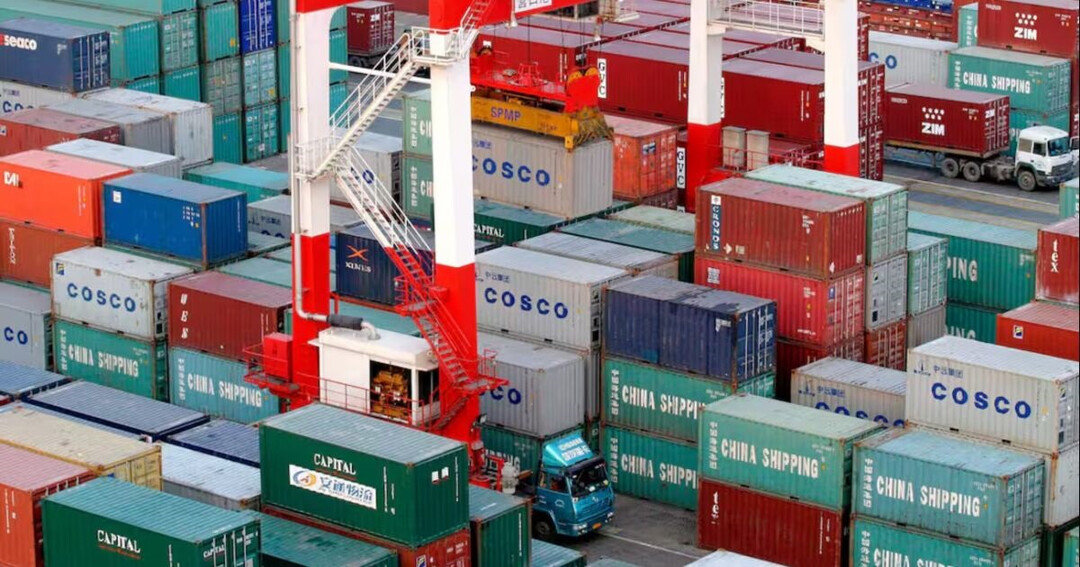
Recently, the Minister of Finance of Paraguay mentioned that despite the unilateral imposition of trade tariffs by the United States, the impact on the Paraguayan economy would be minimal thanks to its strengths. However, there was a lack of specific explanation regarding the impact and these strengths. With additional trade measures expected from US President Donald Trump, Paraguay needs to conduct a thorough analysis and establish strategies from a long-term perspective, along with immediate responses. In particular, it is pointed out that it is crucial to enhance negotiating power through solidarity with other countries in the region and to seek negotiations based on respect for sovereignty and reciprocity.
Some analysts describe the US's trade policy decisions as "rule from chaos," expressing concerns about their unpredictability and volatility. In fact, the US's sudden tariff impositions have caused short-term market instability, including consecutive declines in global stock markets, a fall in the dollar's value, and the selling of US Treasury bonds. Countries have responded in various ways. While most countries attempted individual negotiations to get the US to withdraw its decisions, media reports indicate that President Trump ridiculed their passive stance and maintained his existing position.
The European Union (EU) strongly protested the US measures and announced that it would impose retaliatory tariffs of 25% on approximately 1,600 items, worth 21 billion euros, of US-made products. This measure is scheduled to be implemented in stages, starting with tobacco and some food products, and expanding by the end of the year.
Although there was a temporary gesture of goodwill with a 90-day tariff reduction for some items and countries, the 25% tariffs on steel, aluminum, and automobiles, and the universal 10% tariff on most imports, remain in place. This can be interpreted as partially reflecting concerns about the slowdown of US economic growth and rising inflation.
China has shown a strong response, different from that of the United States. China has imposed tariffs on US products and restrictions on the export of key minerals such as rare earths, and has also hinted at the possibility of anti-monopoly investigations into US companies. In response, President Trump countered with additional tariff impositions, further deepening the trade conflict between the two countries. Tariff rates on some items have soared to over 100%.
Amidst these intense trade negotiations and sharp confrontations between countries, strategic moves are crucial for Paraguay. Changes in the international trade order directly affect Paraguay's economy and geopolitical position. In this situation, Paraguay must solidify its position as a sovereign nation that not only considers the economic impact but also aligns with countries that pursue diplomatic relations based on multilateralism and the principle of mutual respect.
Information is circulating that countries attempting individual negotiations are facing virtually "coercive" demands from the US, being forced to make concessions in other areas of their economic relationship. In particular, bilateral negotiations are likely to be disadvantageous for countries like Paraguay, which have small economies and high export dependence. The prevailing analysis is that the current US trade policy is far from a "win-win" strategy.
The Paraguayan economy has a very high degree of external openness, but its export items and target countries are limited, resulting in a vulnerable structure. In such a situation, it is difficult to build a resilient economic system that can secure international competitiveness and mitigate the impact of external market volatility. Therefore, Paraguay must exercise wise negotiating skills within a multilateral framework to maximize its national interests.
[Copyright (c) Global Economic Times. All Rights Reserved.]