![[등록] 2026-09-01 15:48:31](/support/_updata/banner2/tl181982910_6749.png)


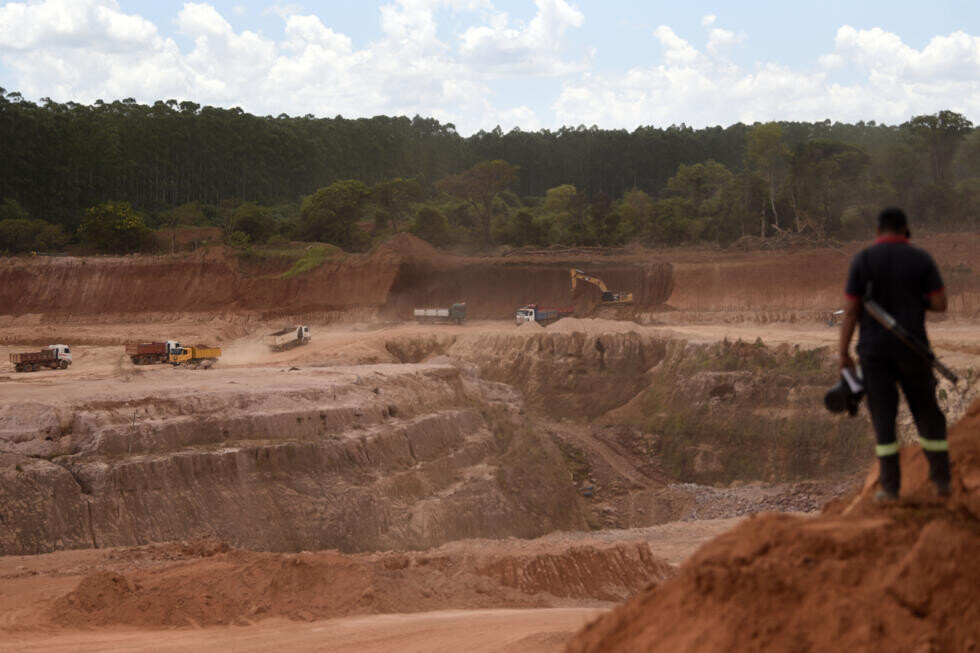
Paso Yobái, Paraguay – An unusual conflict is brewing in Paso Yobái, a small town in Paraguay and the traditional heartland of yerba mate, the bitter herbal tea enjoyed throughout South America. At the center of this tension are the yerba mate farmers, who have sustained the region's life and culture for centuries, and the miners seeking to extract a recently discovered glittering treasure: gold.
Since a prospector from Ecuador discovered gold nuggets in a stream in Paso Yobái in the 1990s, the town's fate has been utterly transformed. Once peaceful neighbors, the yerba mate farmers and indigenous communities now find themselves in sharp opposition to rapidly expanding small-scale gold mining operations.
"The miners have destroyed everything... the canals, the springs, the wetlands..." lamented Vidal Brítez (56), president of the Paso Yobái Yerba Mate Producers' Association. In an interview with AFP, he added, "We can see the contamination in the dead fish, and the water color has changed."
Yerba mate is a green tea made from the leaves of a tree cultivated by the Guarani people for centuries in the region, including Paso Yobái. Traditionally, mate is drunk using a gourd and a metal straw (bombilla) and is a beverage deeply ingrained in Paraguayan culture.
However, the situation shifted dramatically with the discovery of gold in the 1990s. Currently, one in six of Paso Yobái's 30,000 residents depend on mining and related activities for their livelihood, and the angered mate farmers claim they are losing their footing.
Furthermore, they express serious concerns about environmental pollution caused by the mercury used in the gold extraction process and the arsenic released during this process. "This is the birthplace of yerba mate," Brítez exclaimed, frustrated that buyers are turning away from mate leaves covered in mining dust.
Last month, an explosive standoff occurred between armed mate farmers and miners from the Paraguayan subsidiary of a Canadian mining company. Fortunately, no one was injured, but since then, small-scale mate farmers have set up tents around Paso Yobái, continuing their protests to prevent further mining.
Aspiration for a Better Life
In just a few years, Paso Yobái has transformed from a quiet, idyllic village into a dusty, bustling mining town. A constant stream of trucks carries sand to pits where gold is processed. Farmers claim there are over 300 mining sites around the town, most of them illegal.
Each mining site can produce about 1 kg of gold within a month or two, and for some residents, the town's long-hidden treasure has brought significant life changes. The approximately 2,000 small-scale miners in Paso Yobái earn about $20 a day, similar to Paraguay's minimum monthly wage. "Many families have been able to improve their homes and send their children to university," miner Rubén Villalba told AFP. In contrast, most mate farmers barely break even.
Government Claims "No Problem," Farmers' Worries Deepen
In 2024, Paraguay exported 600 kg of gold, mainly mined in Paso Yobái, generating $260,000 in royalties for the government. Mauricio Bejarano, Deputy Minister of Mines and Energy, boasted to AFP that Paraguay is pushing to expand its nascent gold mining industry and that "profitability is guaranteed." Regarding environmental issues, he dismissed them, saying, "As far as I know, there have been no complaints."
However, a report by the United Nations Environment Programme (UNEP) noted that Paraguay has not conducted a national-level survey on mercury contamination. Currently, two Paraguayan universities are studying the issue, but have not yet released their findings.
Rubén Irála Galeano, an agricultural technician and researcher involved in these research projects, told AFP that initial findings revealed "alarming" levels of mercury and that "a serious environmental crime is being committed in Paso Yobái."
His concerns are shared by Nery Cardoso Benítez, a leader of the Mbya Guarani indigenous community. He told AFP that the community is directly witnessing the impact of mining. "The chemicals they use are very strong. They evaporate into the air and contaminate our animals."
Another indigenous leader from a nearby village, Mariano Benítez, lamented that pollution is making survival increasingly difficult. "The fish are dying, and there is no drinking water."
While the Paraguayan government anticipates economic growth from gold mining, traditional agricultural communities and indigenous peoples are deeply concerned about environmental destruction and threats to their livelihoods. The gold rush in Paso Yobái is a stark example of the conflict between short-term economic gains and long-term environmental and social values. The future of this community and its ability to find solutions for sustainable development remains to be seen.
[Copyright (c) Global Economic Times. All Rights Reserved.]