![[등록] 2026-09-01 15:48:31](/support/_updata/banner2/tl181982910_6749.png)


(C) The Hill
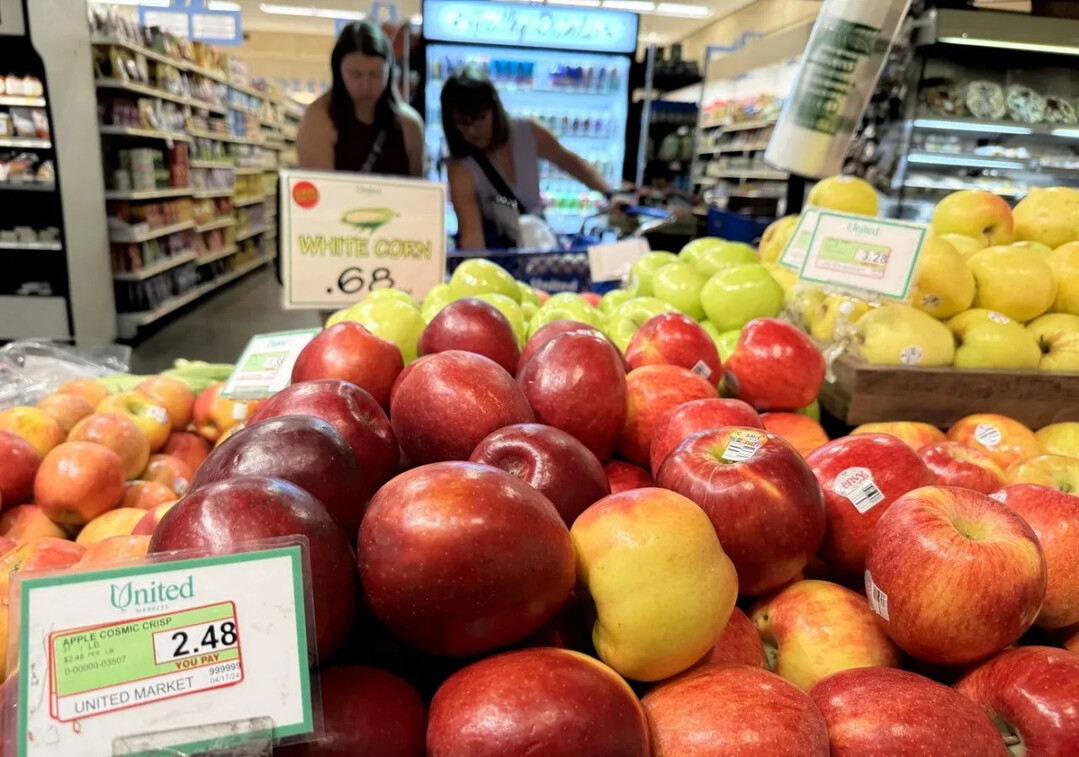
WASHINGTON, D.C. — The word that has become a constant feature in President Donald Trump’s recent speeches is inflation. Specifically, the affordability of household expenses—covering everything from housing and medical care to groceries—has soared to the top of the political agenda in Washington, D.C., following the November 4 US local elections.
The results of the recent non-national elections, which saw the Democratic Party secure major victories—including in the gubernatorial races in New Jersey and Virginia, as well as the New York mayoral election—have been widely interpreted as a reflection of voter dissatisfaction with high consumer prices. This unsettling political current has emerged exactly one year before the critical midterm elections next November, which will determine the mandate for the remainder of Trump’s second term.
Voters' Reality vs. Presidential Rhetoric
The sense of crisis is palpable in the President's recent remarks. Speaking at the US-Saudi Investment Forum on November 19, President Trump asserted, "We are getting prices down." He claimed, "Core inflation has dropped below 2.7% since my inauguration. That's a figure you haven't seen during their [Democratic] term." He also cited a claim by Walmart that the cost of a basic Thanksgiving dinner menu this year was 25% lower than last year.
Trump has publicly expressed frustration with Republican lawmakers for failing to adequately communicate the administration's perceived success in lowering prices to voters during the local election campaigns. The President argues that inflation was far more severe during the preceding Joe Biden administration and has since stabilized significantly following the start of his second term.
However, a disconnect appears to exist between President Trump’s assessment and consumer perception. A recent NPR/PBS Marist poll conducted between November 10-13 found that six out of ten adults (57%) cited "lowering inflation" as the Trump administration’s top priority. This same poll recorded President Trump’s approval rating at 39%, its lowest point since the January 6, 2021, Capitol riot.
A Shift in Tariff Strategy
Having pursued an aggressive protectionist policy since the start of his second term, marked by high-intensity tariffs, President Trump made a significant move on November 14 to appease consumers: he withdrew tariffs on certain imported food products. The items granted mutual tariff exemption—including bananas, tomatoes, beef, and coffee—are commodities whose price changes are quickly felt by consumers.
This decision marks a retreat for the President. He had previously dismissed claims that the cost burden of his across-the-board tariffs would be passed on to consumers. However, facing intensifying political pressure, he has now pivoted to an action of tariff reduction. This strategy shift appears designed to stem the tide of public discontent by broadly lowering tariffs on goods with a high consumer impact, modifying his previous policy of continuous trade protectionism.
The US media did not hesitate to point out this policy reversal. The Washington Post called it "the biggest reversal in tariff-related measures since April," while CNN described it as "another instance of TACO (Trump Always Chickens Out)."
Looking Ahead: Policy Crossroads
Whether this measure will result in a significant, immediate drop in overall inflation remains uncertain. It is unclear if the tariff reductions will be fully passed on to consumers, and structural issues such as rising housing costs and soaring health insurance premiums remain unresolved.
As the midterm elections approach next year, President Trump will increasingly confront the political reality that public sentiment is decisively shaped by consumer prices. Furthermore, the administration still faces a Supreme Court decision regarding the legality of its broader tariff policy.
The key question is whether this recent "U-turn" by President Trump will be a mere one-time adjustment or a true turning point that influences his economic policy framework as a whole. The upcoming months will be crucial to observe.
[Copyright (c) Global Economic Times. All Rights Reserved.]