![[등록] 2026-09-01 15:48:31](/support/_updata/banner2/tl181982910_6749.png)


Washington D.C., USA - The United States government has informed several international energy companies, including Italy's Eni, that it will no longer permit oil supplies from Venezuela's state oil company, PDVSA, to be used as a method of payment for their operations in the South American nation. This decision marks a further tightening of sanctions on the Maduro regime following last year's widely disputed elections.
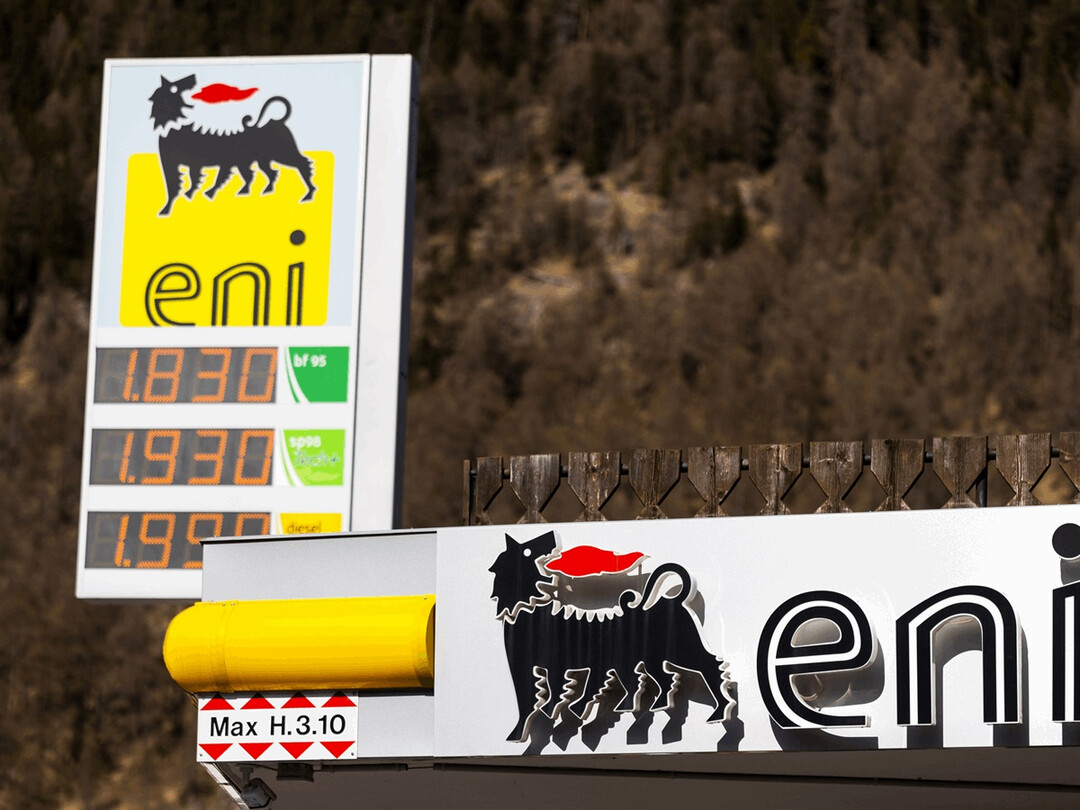
Eni confirmed on Sunday that it had received notification from US authorities regarding the change in policy. The Italian energy giant stated that it had been using Venezuelan oil provided by PDVSA to recoup costs associated with gas production in the country.
"Eni continues its transparent engagement with US authorities on the matter to identify options for ensuring that non-sanctioned gas supplies, essential to the population, can be remunerated by PDVSA," the company said in a statement, emphasizing its commitment to operating within the international sanctions framework.
The US move impacts other foreign partners of PDVSA who had previously received licenses or "comfort letters" from Washington allowing them to export Venezuelan crude oil and byproducts. These companies reportedly include Spain's Repsol, France's Maurel Prom, India's Reliance Industries, and US-based Global Oil Terminals.
Venezuela's Vice President Delcy Rodriguez addressed the US decision on social media, stating that the government was aware of the impending cancellation of these authorizations.
"We were prepared for this juncture and we're ready to continue to comply with the contracts of these companies," Rodriguez wrote. She asserted that foreign companies operating in Venezuela do not require licenses or authorizations from other governments. "We are a trustworthy partner and will continue to comply with the agreements reached with these companies."
Venezuelan President Nicolas Maduro has consistently condemned the international sanctions as an "economic war" against his country.
While the official cancellation of these authorizations is now being confirmed, sources and vessel tracking data suggest that many companies had already begun to scale back or halt imports of Venezuelan oil. This followed the recent imposition of secondary sanctions by the Trump administration earlier this week, targeting buyers of Venezuelan oil and gas. These broader sanctions aimed to further isolate the Maduro government and cut off its primary source of revenue.
Analysts' Perspectives:
Energy analysts believe that this latest measure will further strain Venezuela's already struggling oil sector and could potentially disrupt gas supplies within the country if alternative payment mechanisms are not established. The move also underscores the US government's continued efforts to pressure the Maduro administration.
"The ending of these oil-for-debt swaps will make it significantly harder for PDVSA to conduct business with international partners," commented Dr. Isabella Martinez, a senior energy analyst at a Washington-based think tank. "While some companies may explore alternative payment methods, the increased risk and complexity will likely lead to a further decline in Venezuelan oil exports."
The long-term implications for the affected energy companies remain to be seen. They will now need to negotiate new payment terms with PDVSA, potentially involving cash transactions or other forms of compensation that comply with US sanctions. The situation highlights the intricate challenges faced by foreign companies operating in countries subject to international sanctions.
The US State Department has yet to issue a formal statement on the matter, but it is expected that further details regarding the rationale behind this decision will be released in the coming days. The move signals a resolute stance by Washington in its policy towards Venezuela under the leadership of Nicolas Maduro.
[Copyright (c) Global Economic Times. All Rights Reserved.]