![[등록] 2026-09-01 15:48:31](/support/_updata/banner2/tl181982910_6749.png)



The government has missed the deadline for deciding on an extension of the hunting ban, raising concerns that the activity will continue despite scientific warnings.
Every September, the debate over duck hunting in Uruguay reignites. The Ministry of Environment (MA) was supposed to issue a decree extending the hunting ban by the 30th of last month, but the deadline passed without a relevant decision being made. This has fueled concerns that hunting activities will continue to be permitted next year, despite scientific and ethical warnings. This situation suggests a significant technical and legal vacuum in Uruguay’s wildlife conservation policy.
Non-Fulfillment of Legal Requirements and Limited Regulatory Enforcement
Uruguayan Law No. 9,481 explicitly mandates that population studies must precede the authorization of hunting. Current law stipulates that wildlife hunting can only be allowed when it is proven not to adversely affect the survival of the species or the balance of the ecosystem.
However, the most recent population studies have not yet been carried out, and the MA’s capacity for regulatory enforcement is highly limited. Consequently, compliance with regulations essentially relies entirely on the 'goodwill' of the hunters. Experts point out that this weak legal foundation poses a serious long-term risk to effective wildlife management.
Declining Duck Populations: Disregard for the Precautionary Principle
A 2022 technical report from the MA had already recommended extending the ban for at least until 2027 due to population declines in the already-authorized species. This report was based on data from the Neotropical Waterbird Census (CNAA) and an analysis of hunting permits issued between 2015 and 2018.
All three authorized hunting species—the corn duck, speckled duck, and white-faced duck—showed a declining trend in the survey. This strongly suggests that hunting could be acting as a negative pressure on these populations. The report concluded by recommending "applying the precautionary principle and extending the ban for a minimum of five years," but this scientific advice has not been sufficiently reflected in policy thus far.
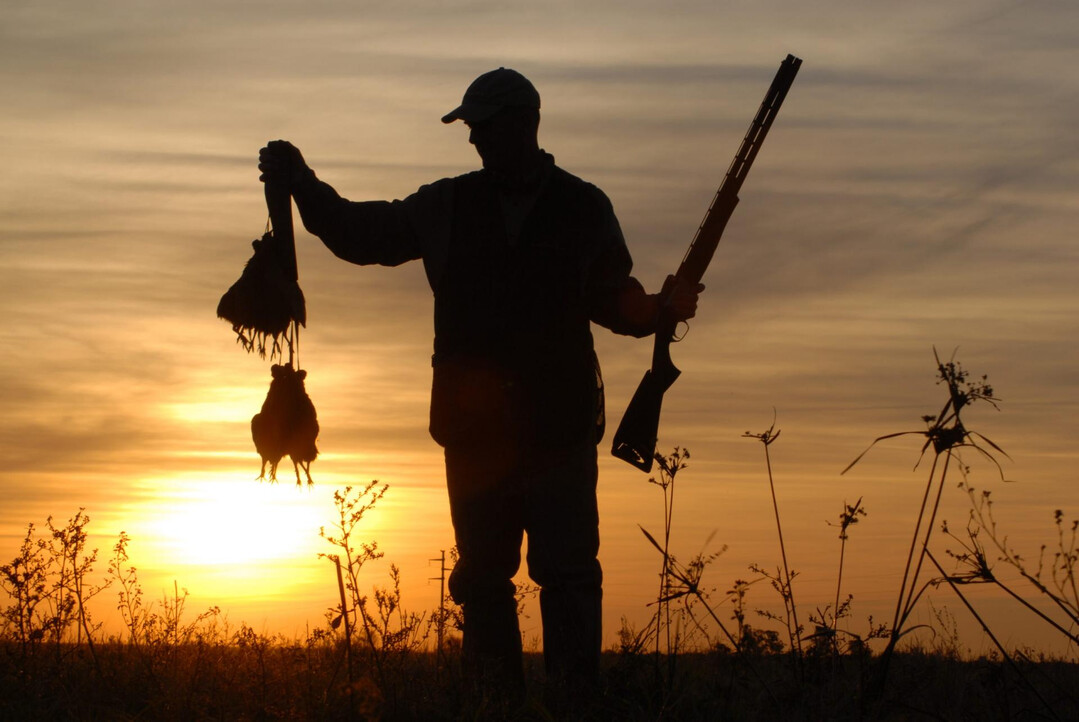
The Controversial 'Cinegetic Tourism': Disconnect with Local Communities and Ethical Dilemma
Duck hunting activities are primarily conducted as 'cinegetic tourism,' largely carried out by foreigners. This practice is criticized for creating a distance from local communities and conflicting with the national image of 'Natural Uruguay' and the values of biodiversity conservation that the country promotes.
Furthermore, the utilization of wildlife for recreational purposes raises a fundamental ethical question about its compatibility with sustainable alternatives like birdwatching tourism. Conservationists contrast hunting tourism with ecotourism, emphasizing that the latter can be a sustainable development model that contributes to the local economy while conserving the environment.
Permit Status and Critique
Currently, duck hunting in Uruguay is allowed for 10 consecutive days between May 1 and September 15, with a permit cost of 3 UR. There are specific geographical restrictions on hunting areas, and it is prohibited in major lagoons and their watersheds, such as Montevideo, José Ignacio, Garzón, Rocha, Castillos, and Negra. The daily bag limit is 15 birds, with a maximum of 2 allowed for speckled ducks. The maximum number of individuals a single hunter can capture per season reaches 150.
Experts warn that the absence of population studies and systematic monitoring is obstructing policy decisions based on objective evidence. They argue that "the information presented should set a precedent for any future attempts to authorize hunting without technical support," emphasizing that Uruguay faces the urgent challenge of establishing policies that harmonize conservation, law, and citizen participation, prioritizing the precautionary principle and the right to a healthy environment.
[Copyright (c) Global Economic Times. All Rights Reserved.]