![[등록] 2026-09-01 15:48:31](/support/_updata/banner2/tl181982910_6749.png)


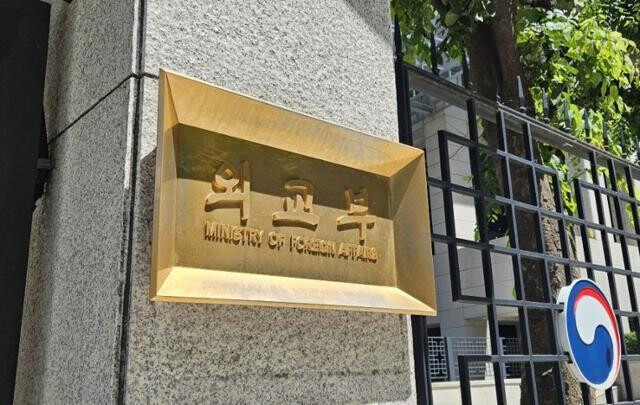
SEOUL, South Korea – The Republic of Korea's Ministry of Foreign Affairs (MOFA) has confirmed that the Honduran government has taken decisive legal action against one of its diplomats, who recently left South Korea amid a criminal investigation. The diplomat was accused of assault and sexual harassment, a case that has sparked a significant discussion about the limits of diplomatic immunity and the responsibility of foreign officials operating within host countries. This case highlights the delicate balance between international law and domestic justice.
The individual, referred to as "A," was serving at the Honduran Embassy in South Korea when the alleged incident occurred in June. According to reports from the Busan Metropolitan Police Agency, a Korean man accused A of both physical assault and sexual harassment. These are grave charges under South Korean law, prompting a full-scale police investigation. The diplomat's sudden departure from the country, however, raised concerns that diplomatic immunity, a cornerstone of international relations designed to protect diplomats from harassment and ensure effective communication between nations, might be used to evade justice.
International agreements, such as the Vienna Convention on Diplomatic Relations, grant diplomats immunity from criminal prosecution in the countries where they are posted. This privilege is intended to prevent host governments from interfering with diplomatic missions through politically motivated legal actions. However, it is not meant to be a shield for criminal behavior. The convention provides a mechanism for a sending state (in this case, Honduras) to waive immunity, allowing a diplomat to face charges in the host country (South Korea).
Initially, there were media reports suggesting that Honduras was considering waiving A's immunity. This would have been a significant gesture of cooperation and respect for the South Korean legal system. Such a move is rare but not unprecedented, as some nations choose to prioritize justice and accountability over the strict application of diplomatic privilege. However, the latest information from MOFA indicates that Honduras has opted for a different path: recalling the diplomat to face charges under Honduran law.
On August 7, MOFA released a statement confirming this development. "The Honduran government has initiated legal procedures to recall the individual and hold them accountable," the ministry announced. The statement also noted that Honduras "publicly expressed its full respect for the laws and regulations of our country." This move signals a commitment by Honduras to not ignore the allegations but to handle the matter through its own legal framework. While this approach respects sovereignty, it also means the victim in Korea will not see the case prosecuted in a local court, which might be a source of frustration.
This incident has prompted the Honduran government to re-evaluate the conduct of its diplomatic personnel. MOFA's statement noted that the Honduran government has "seriously recognized the gravity of the incident and has promptly and swiftly announced its plan to dismiss the individual from their position." Furthermore, the government is reportedly "urging its diplomatic missions and staff to strictly abide by domestic laws." This internal directive suggests a broader effort to reinforce ethical conduct and legal compliance among its diplomats worldwide.
The case of diplomat A serves as a potent reminder of the complexities surrounding diplomatic immunity. While essential for the function of international relations, it can also lead to situations where justice seems out of reach for local citizens. The actions taken by the Honduran government, while not a full waiver of immunity, demonstrate a commitment to accountability and signal that a diplomat's status does not grant a free pass for criminal behavior. The case will be closely watched as a test of how nations can navigate the fine line between diplomatic protocols and the fundamental principles of justice.
[Copyright (c) Global Economic Times. All Rights Reserved.]