![[등록] 2026-09-01 15:48:31](/support/_updata/banner2/tl181982910_6749.png)


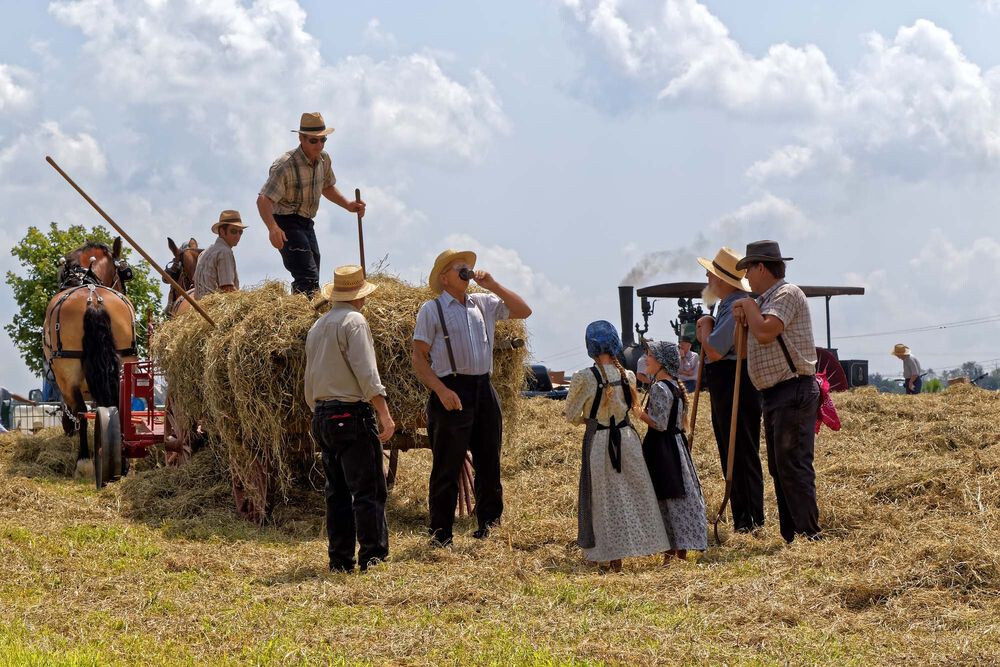
Asunción, Paraguay - Paraguay's agriculture and livestock industries have evolved through a unique history and culture, with the Mennonite community at its heart. During a recent trip to South America, I had the opportunity to visit Paraguay and was deeply impressed by the agricultural innovations and the contributions of the Mennonites I witnessed firsthand.
In particular, the Fernheim Colony in the western Chaco region of Paraguay has transformed land once dubbed "Green Hell" into a global agricultural hub through their resilience and ingenuity.
Mennonite Settlement and Agricultural Innovation in Paraguay
In the late 1920s, the Fernheim Mennonites, who had emigrated from Russia via Canada to Paraguay, strived to survive in an extreme environment. At the time, the Chaco region suffered from water scarcity and high salinity, making it difficult to secure drinking water. However, they adapted to the environment by developing rainwater harvesting techniques and built a sustainable economy based on agriculture and livestock farming.
Today, this region is renowned for its world-class cattle breeds, including Nelore, Brangus, Braford, and Brahma, with hundreds of thousands of cattle raised here.
Filadelfia, the central hub of the Fernheim Colony and the capital of the Boquerón Department with a population of approximately 20,000, is where the Mennonites' agricultural innovation is concentrated.
They have achieved agricultural diversification by cultivating various crops such as corn, soybeans, cotton, and peanuts, and have also excelled in dairy and beef production. In particular, the system of directly controlling the supply chain, managing everything from production to distribution, is a key factor supporting the prosperity of this region.
Transformation of the Chaco Region and Economic Potential
The Chaco, which accounts for over 60% of Paraguay's total area, was once known for its low population density and desolate image. However, it has now established itself as a mecca for livestock farming and agriculture. The Frigorifico Victoria slaughterhouse, which I visited during my trip, boasts the most modern facilities in South America, demonstrating how Paraguay's livestock industry has developed through technology and investment attraction.
Furthermore, the Mennonites operate a peanut processing plant employing local indigenous tribes, producing unique products such as bacon-flavored peanuts and carving out niche markets.
Global Influence of Paraguay and the Mennonites
Currently, there are about 25 Mennonite colonies in Paraguay, and they are expanding their influence not only in agriculture and livestock but also in various other industries. In the capital city of Asunción, rapid urban development is underway, actively embracing technology and foreign investment. With a population of approximately 500,000, the city is emerging as Paraguay's economic center, demonstrating how the success of the Mennonite community is having a positive ripple effect throughout the country.
My Paraguayan hosts were mostly supply chain experts covering cattle breeding, slaughtering, and exporting. The perseverance and innovation of the Mennonites are playing a significant role in making Paraguay known on the world stage.
The Mennonite community in Paraguay has overcome harsh environments and led the country's leap towards becoming an agricultural powerhouse. Their story is more than just a success story; it is a journey of harmony between people and nature, creating a better future. With the wind blowing across the vast plains of the Chaco, the agricultural innovations here are poised to spread across the globe.
[Copyright (c) Global Economic Times. All Rights Reserved.]