![[등록] 2026-09-01 15:48:31](/support/_updata/banner2/tl181982910_6749.png)


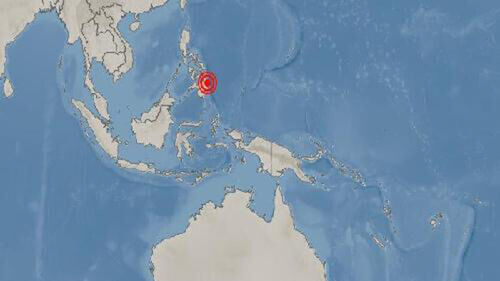
At 10:58:06 AM KST on June 24, 2025, a powerful magnitude 6.3 earthquake occurred 488 km east-northeast of Davao, Philippines. The earthquake's epicenter was located at 7.98 degrees North latitude and 129.93 degrees East longitude, in the Pacific Ocean far from the southern Philippine island of Mindanao. Despite its relatively deep focus (estimated at approximately 60 km), its strong magnitude has raised concerns about the possibility of a tsunami in nearby areas.
Overview of the Earthquake and Initial Situation
The earthquake occurred in a region where the Philippine Sea and the Pacific Ocean meet, an area that is part of the Pacific Ring of Fire and experiences very active seismic activity. This particular area is prone to frequent earthquakes due to the complex interaction of several tectonic plates, including the Philippine Plate, the Eurasian Plate, and the Pacific Plate.
Immediately after the earthquake, international seismic monitoring organizations, including the United States Geological Survey (USGS), began immediate analysis. Initial reports suggested that the earthquake's amplitude was significant, indicating that tremors might have been felt in surrounding countries. The Philippine Institute of Volcanology and Seismology (PHIVOLCS) did not immediately issue a tsunami warning but stated that it was closely monitoring potential sea-level changes.
Tsunami Potential and Damage Concerns
A magnitude 6.3 earthquake is generally not considered destructive enough to cause a widespread tsunami. However, the possibility of localized tsunamis always exists depending on various factors such as the depth of the epicenter, the topography of the earthquake's sea area, and the movement of underwater faults. In particular, because this earthquake occurred offshore, there is an analysis that rapid changes in sea level due to uplift or subsidence of the seabed could lead to a tsunami.
Currently, Philippine authorities have issued preliminary tsunami advisories for major coastal areas, urging residents to refrain from approaching the coastline. Residents in eastern Mindanao coastal cities such as Davao and General Santos, as well as nearby island communities, are reportedly preparing for evacuation in case of any unforeseen circumstances. In the past, this region has experienced small-scale tsunamis or sea-level rises from multiple earthquakes exceeding magnitude 6.0.
The Philippines' Seismic Vulnerability and Preparedness Efforts
The Philippines is considered one of the most vulnerable countries in the world to natural disasters, including earthquakes, typhoons, and volcanic activity. In the case of earthquakes, thousands of tremors of varying magnitudes occur annually, some of which cause significant damage. Due to these geographical characteristics, the Philippine government and its citizens maintain a high level of vigilance against earthquakes and are making various efforts, such as disaster preparedness drills and strengthening building codes.
However, many areas in the Philippines, especially underdeveloped regions, still have buildings vulnerable to earthquakes, raising concerns about serious casualties and property damage in the event of a large earthquake. Furthermore, densely populated coastal areas are directly exposed to the threat of tsunamis, making the establishment of rapid evacuation systems crucial in the event of a disaster.
International Community's Attention and Support Efforts
The international community is also paying attention to the news of this earthquake. The United Nations (UN) and other international humanitarian organizations are closely communicating with Philippine authorities and monitoring the situation, stating their readiness to provide humanitarian assistance if needed. Neighboring countries are also closely watching the situation in the Philippines and checking for any further damage.
As of now, there have been no reports of casualties or major facility damage due to this earthquake, but Philippine authorities are still closely monitoring the situation and continuously observing sea-level fluctuations in coastal areas. Residents are urged to pay attention to official government announcements and follow safety guidelines. There is hope that this earthquake will conclude without major damage and that the Philippines' disaster preparedness system will become even more robust.
[Copyright (c) Global Economic Times. All Rights Reserved.]