![[등록] 2026-09-01 15:48:31](/support/_updata/banner2/tl181982910_6749.png)


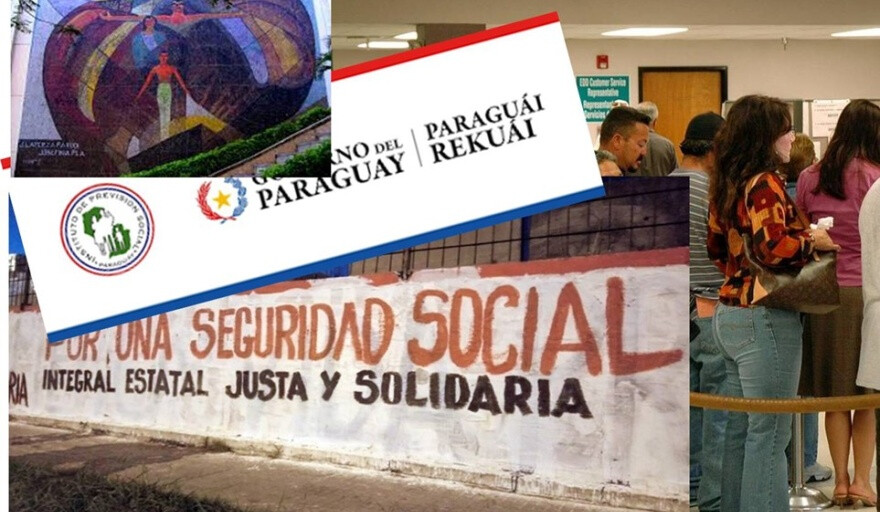
Paraguay currently stands at a historically significant juncture. Its youthful demographic structure, the demographic bonus, presents an unprecedented opportunity for the sustainability of its social security system. However, to fully capitalize on this advantage, a comprehensive reform encompassing the entire social security system, rather than mere parameter adjustments, is essential. This reform should aim to ensure financial sustainability and expand social security benefits, which currently cover only about 20% of all citizens, to the entire population.
Over the past decades, Paraguay has faced numerous challenges. Despite a young and growing population, the current social security system has failed to adequately meet the evolving social needs. Social security coverage remains low, and access to benefits poses significant problems, hindering citizen access. Consequently, a substantial portion of the population remains vulnerable without social protection, and high levels of informal employment and low social insurance contribution rates threaten the system's financial stability.
For Paraguay to effectively leverage its demographic bonus, it must actively implement policies that promote the formalization of the labor market. This includes not only incentivizing employers to register workers but also creating an environment that facilitates the transition from informal to formal employment. Furthermore, it is urgent to establish mechanisms that ensure the full portability of social insurance contributions and support workers in remaining within the system consistently.
Financial sustainability is another critical consideration in the reform of the social security system. Paraguay's current pension funds and social insurance face increasing pressure due to an aging population and declining birth rates. To ensure long-term sustainability, it is essential to review and adjust the parameters of pension and social welfare benefits to align with the country's economic realities. These changes must be carefully decided through in-depth discussions involving all stakeholders, including the younger generation, contributors, and pensioners.
The reform of the social security system should move towards incorporating social protection mechanisms that meet the needs of the most vulnerable segments of society. Women, youth, and informal workers are particularly vulnerable to employment insecurity and lack of access to basic social services. Therefore, the reform must include specific policies that promote equity and inclusion and ensure that all citizens have access to an adequate social safety net.
In addition, efforts to enhance the financial literacy of the public and foster a culture of saving should be pursued in parallel. A sustainable social security system depends not only on the efficient investment of funds but also on the voluntary participation and unevasive contribution of premiums by citizens. Through financial education, citizens can recognize the importance of the social security system and develop responsible saving habits for the future.
The comprehensive reform of Paraguay's social security system is not merely an economic necessity but a matter of social justice. Universal social security provides a basic social safety net for all citizens and ensures that the nation can move towards a more prosperous and sustainable future. The implementation of bold and effective reforms can transform the social security system into a powerful tool for promoting development and equity, benefiting both current and future generations.
In conclusion, Paraguay has a crucial opportunity to build a robust and sustainable social security system that reflects the needs of its people. Comprehensive reform is no longer a matter of delay but an urgent task that must be pursued through serious discussion and dedicated effort. Only through such efforts can the social protection of all citizens be guaranteed, and the potential offered by the demographic bonus be fully realized, leading to a more just and equitable future.
[Copyright (c) Global Economic Times. All Rights Reserved.]