![[등록] 2026-09-01 15:48:31](/support/_updata/banner2/tl181982910_6749.png)


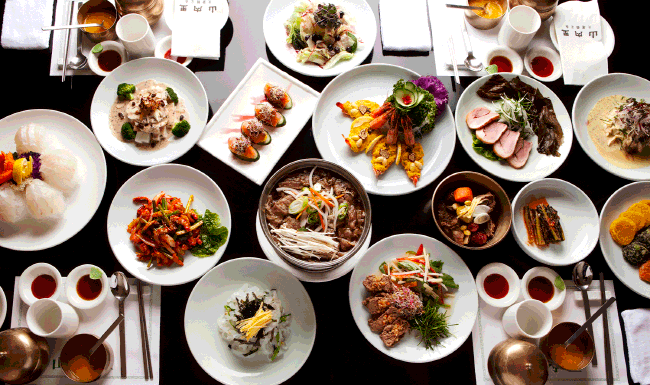
As the "Hallyu" or Korean Wave surges through India, bringing with it K-pop, K-dramas, and Korean cinema, an unexpected but delightful offshoot has taken hold—the rise of Korean cuisine. Across urban centers, from bustling Delhi to cosmopolitan Bengaluru, Korean food has swiftly grown from a niche curiosity to a beloved staple, with the sector witnessing remarkable growth and adaptation to local preferences.
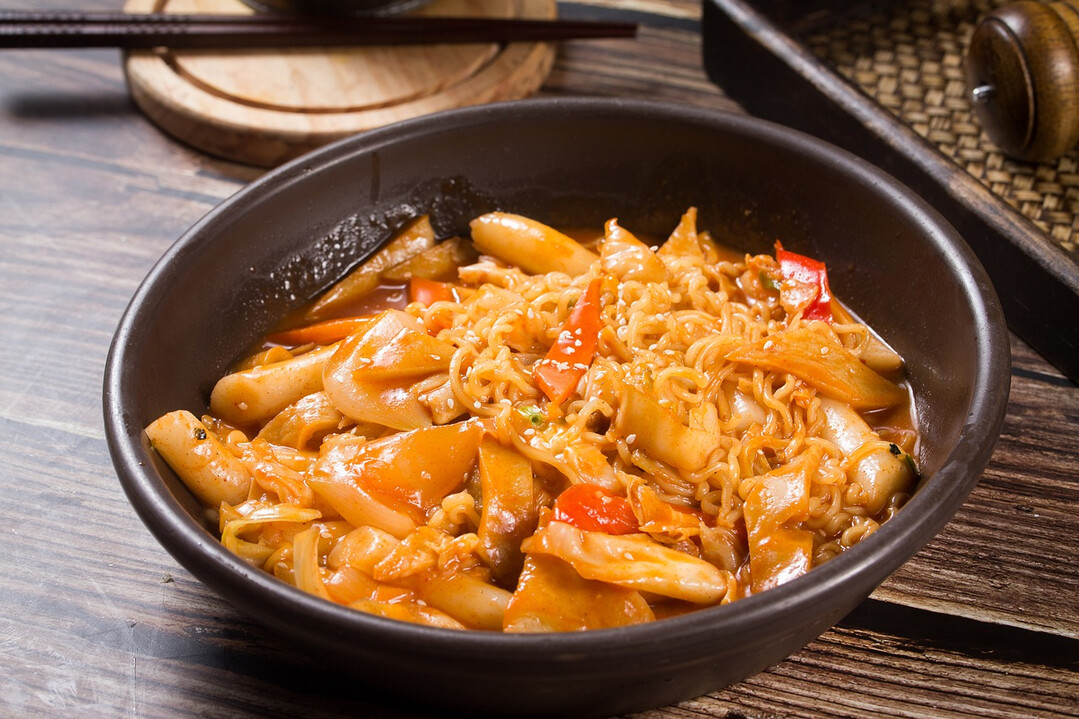
The cultural allure of Korean food in India is evident in figures from the Korea Agro-Fisheries & Food Trade Corp., which indicate that Korean food exports to India reached $57.7 million in 2023, up from $35.7 million in 2018. A symbol of this shift, ramyeon (Korean spicy noodles)—especially popular brands like Shin Ramyun and Samyang Buldak—has found enthusiastic fans among Indian youth, with exports hitting $8 million in the first half of 2024 alone..
In a notable shift in consumption patterns, exports of South Korea’s traditional distilled liquor, soju, to India have witnessed a sharp increase, rising by nearly 60% to reach $442,000 this year. The surge is primarily attributed to the growing preference among younger Indian consumers for milder alcoholic options, with a variety of flavors that resonate with evolving tastes.
Alongside soju, Korean culinary staples such as sauces and condiments have also gained traction in the Indian market. Popular items like gochujang (spicy red pepper paste), soy sauce, and other traditional Korean pastes recorded a steady growth in demand, collectively bringing in $40,770 in export revenue last year. This trend reflects the increasing influence of Korean food culture in India, as local consumers show a heightened interest in diverse international flavors.
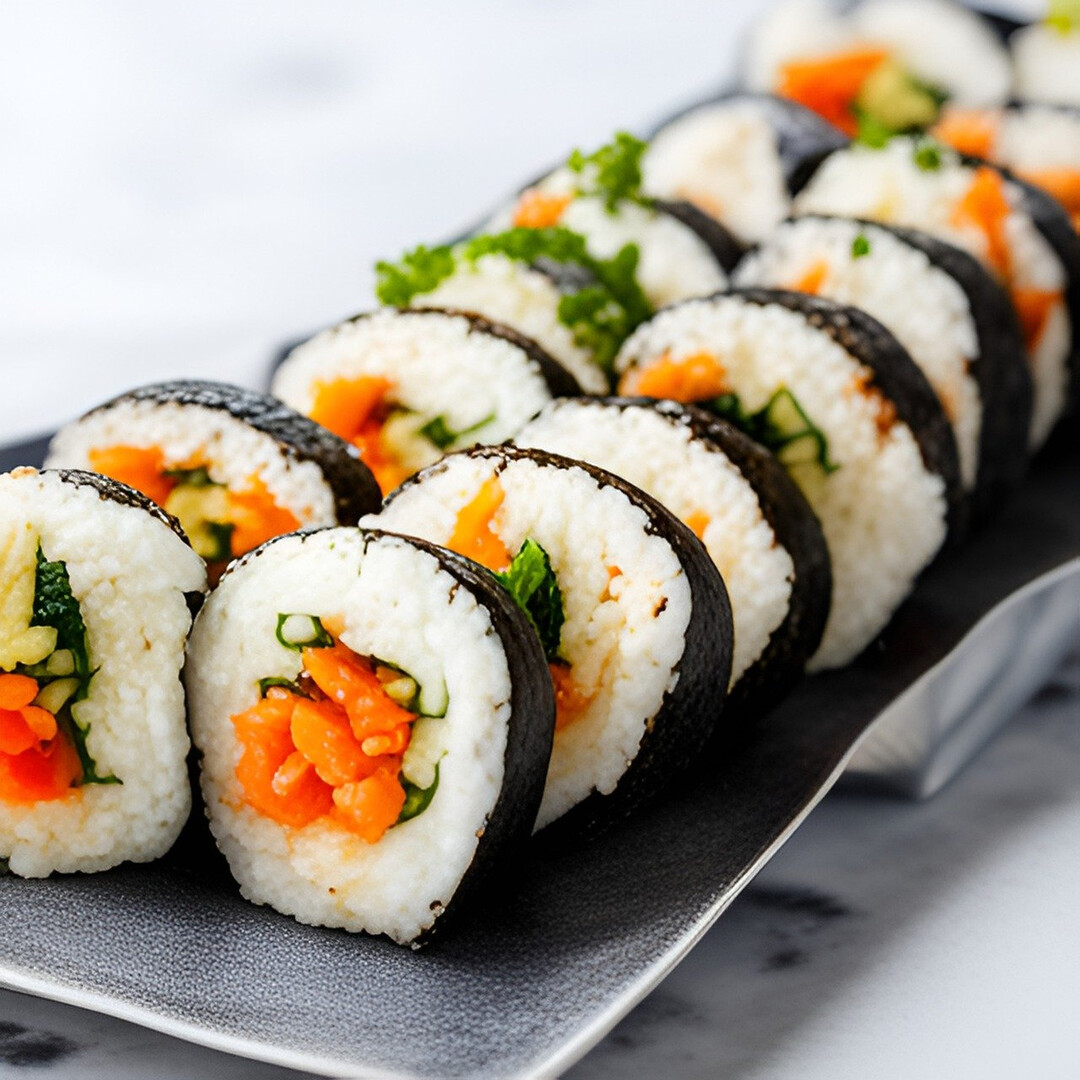
Korean Food Brands Making Their Mark
Leading the charge into the Indian market are well-known Korean brands that have strategically tailored their offerings. Lotte Wellfood's Choco Pie enjoys near-complete dominance, capturing a whopping 80% of India’s chocolate pie market. The company’s acquisitions of Indian brands like Havmor Ice Cream have bolstered its position, making Lotte a familiar name in Indian households.
Similarly, Nongshim and Samyang Foods have seen substantial success with their range of ramyeon. Recognizing Indians' love for spice, these companies introduced popular varieties like Shin Ramyun and Samyang's fiery Buldak noodles.
Orion, a major Korean confectionery brand, has announced plans to position India as its next key export market, following its successes in China, Vietnam, and Russia. The company expanded its snack and pie production lines in India last year, aiming to cater to the rising demand and establish a stronger presence in the country’s growing market.
In 2018, Ottogi launched a vegan version of its flagship product in India and promoted it through social media ads featuring popular Indian influencers.
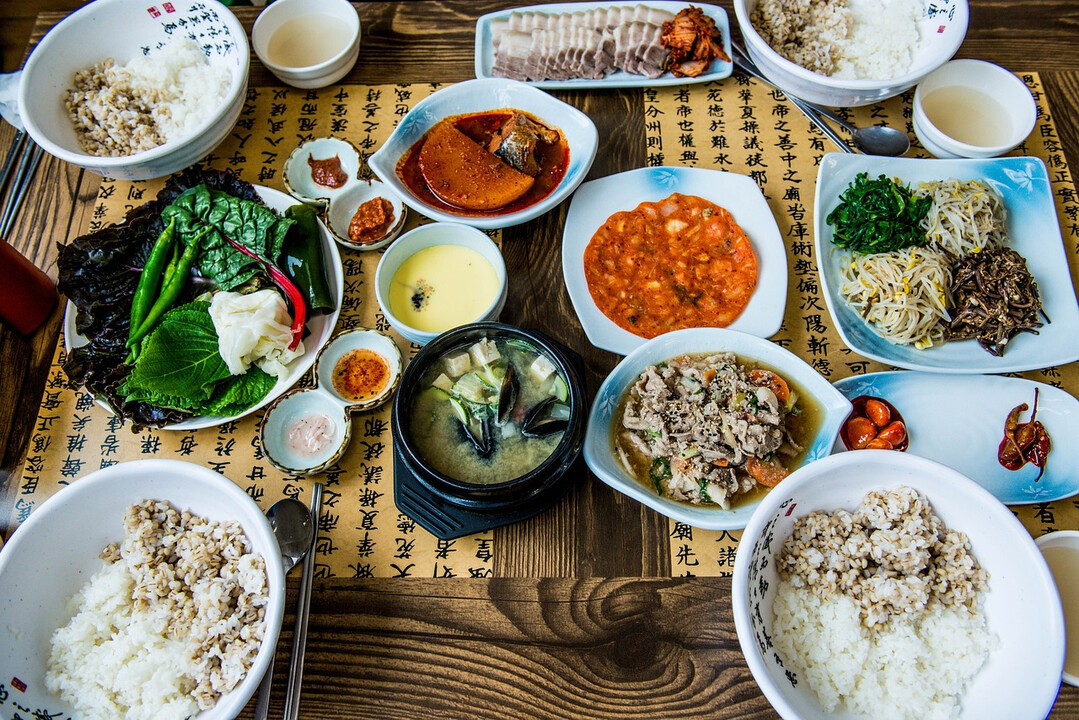
A Taste for Tradition and Innovation
Indian consumers' growing appetite for Korean food extends beyond noodles and snacks. Soju, Korea's traditional distilled spirit, has caught on with younger generations who appreciate its lower alcohol content and array of flavors. The rising popularity of Korean BBQ restaurants in cities like Mumbai and Delhi has introduced Indian diners to an interactive, immersive dining experience, while fusion dishes like kimchi paratha and Korean-style biryani have made Korean flavors more accessible to the Indian palate.
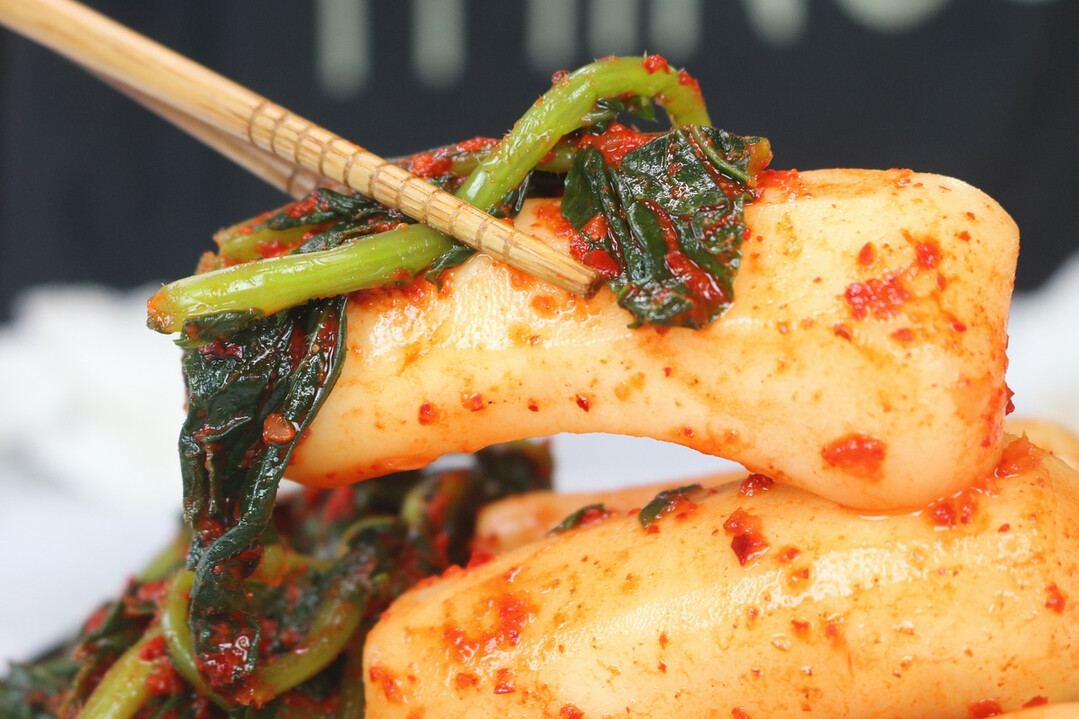
Korean sauces and condiments, from gochujang (red chili paste) to soy sauce and kimchi, are also finding a place in Indian kitchens. These products, appealing to India’s love for spices and fermented foods, are proving a success among home cooks who enjoy blending flavors in unique, cross-cultural dishes.
Trends Driving Korean Cuisine in India
The Korean Wave, or Hallyu, has deeply influenced India’s cultural landscape, especially among Millennials and Gen Z, fueling an interest in authentic Korean cuisine as K-pop and K-dramas gain popularity. In the fast-paced urban environment, convenience foods like instant ramen, noodles, and ready-to-eat Korean snacks meet the needs of on-the-go Indian consumers. The growth of e-commerce platforms like Amazon and Flipkart has made Korean products widely accessible across the country, and specialty grocery sites now extend Korean food brands' reach to a broader audience in India.
Additionally, these brands have found success by adapting to local preferences, offering milder spice levels, vegetarian options, and introducing Korean flavors in fusion dishes on restaurant menus, bringing a novel twist to traditional Indian recipes. With a rising focus on health and wellness, Indian consumers are increasingly drawn to fermented foods and probiotics, making items like kimchi and seaweed snacks popular choices. Korean brands are also catering to this health-conscious demographic by introducing low-calorie, gluten-free, and plant-based options, aligning with India’s wellness trends.
A Promising Future
The surge of Korean cuisine in India is supported by governmental and trade efforts. The Korea Trade-Investment Promotion Agency (KOTRA) actively promotes Korean food products in India, organizing food expos and forging partnerships with local retailers to ensure quality and availability.
Moreover, Korea’s culinary footprint in India aligns with broader bilateral trade goals, with the two nations increasingly engaged in discussions to strengthen trade ties. Lower tariffs and trade agreements could further open the market, making Korean imports more accessible to Indian consumers and encouraging further investment from Korean food companies.
Embracing a New Culinary Era
The rise of Korean cuisine in India is much more than a passing trend; it reflects a dynamic intersection of cultural exchange and evolving consumer tastes. Korean food companies, by understanding the unique demands of the Indian market, have successfully leveraged the Hallyu wave to become part of India’s everyday culinary experiences. As more Korean restaurants, cafes, and brands establish a foothold in India, the future promises a continued blending of flavors that celebrates the best of both cultures.
India’s appetite for Korean food is here to stay, marking a flavorful fusion that brings two vibrant culinary traditions together.
[Copyright (c) Global Economic Times. All Rights Reserved.]