![[등록] 2026-09-01 15:48:31](/support/_updata/banner2/tl181982910_6749.png)


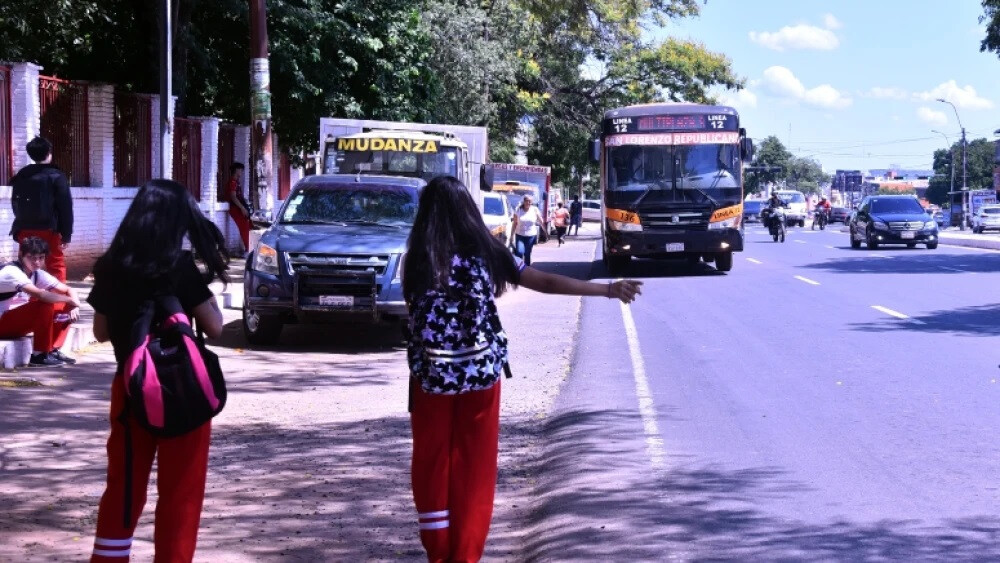
ASUNCIÓN, PARAGUAY – The Paraguayan Ministry of Education and Science (MEC) announced on June 17 that 11,067 students have received their student electronic bus ticket (Billetaje Electrónico) cards for the 2025 academic year. This benefit has been extended to students enrolled in educational institutions within the Asunción, Central, Benjamín Aceval, and Villa Hayes regions.
The distribution of these electronic tickets aligns with laws and regulations mandating electronic payment for public transportation and providing student transportation subsidies. This initiative is part of the government's ongoing efforts to alleviate the financial burden of commuting for students and enhance the convenience of using public transport.
Personalized 'Jaha' and 'Más' Cards
The cards distributed to students are commercially known as 'Jaha' and 'Más,' and are personalized with each student's information. These cards have no expiration date and are pre-loaded with sufficient funds for continuous use throughout their academic careers. Students can complete the application process through the 'Billetaje' module on the 'Paraguay Aprende' educational platform, a system designed to maximize student convenience and streamline the application process.
Ongoing Demands from Parents and Student Organizations
Student organizations have consistently demanded updated information regarding student transportation support. There have been communication difficulties, particularly due to changes in leadership within the Directorate of Student Welfare (Dirección de Bienestar Estudiantil) at the MEC and delays in the delivery of school supply kits. Dissatisfaction also arose during a period when the Student Welfare Council (Consejo de Bienestar Estudiantil) was inactive. Consequently, a Student Working Group Meeting (Mesa de Trabajo Estudiantil) is scheduled for the end of this month, where student representatives expect to discuss various current issues in addition to student transportation.
The National Federation of Paraguayan Secondary Students (Fenaes) emphasized that at the beginning of the school year, the Ministry of Education was more proactive and supportive regarding student transportation card delivery issues than the Vice Ministry of Transport. However, since the MEC does not have direct jurisdiction over public transport, it is limited to coordinating meetings and sending letters to demand compliance with the law.
Ministry of Transport's Efforts and Challenges
Three months ago, Emiliano Fernández, Vice Minister of Transport, stated that approximately 10,000 cards had been dispatched, with an additional 500 expected from the electronic card manufacturers. This indicates the government's commitment to providing electronic tickets to students in a timely manner. Nevertheless, some students still report long bus waiting times and a shortage of student transportation tickets, highlighting the urgent need for practical improvements to the transportation system and faster card delivery.
Currently, the Paraguayan government considers reducing students' transportation burden and enabling them to focus on their studies as a key objective of its educational policy. Significant progress has been made with over 11,000 students receiving electronic tickets, but continuous attention and effort are required to ensure all students can seamlessly benefit from this initiative. In particular, close cooperation between relevant ministries and active communication with student organizations are essential to address shortcomings and achieve tangible improvements that students can experience. It is hoped that the commuting environment for Paraguayan students will become even more convenient and safer in the future.
[Copyright (c) Global Economic Times. All Rights Reserved.]