![[등록] 2026-09-01 15:48:31](/support/_updata/banner2/tl181982910_6749.png)


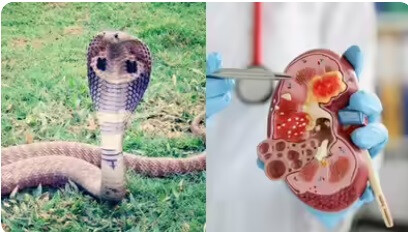
A recent study suggests that the unique method of uric acid excretion in snakes and other reptiles could provide a revolutionary breakthrough in the prevention and treatment of human disorders related to uric acid, specifically gout and kidney stones.
Gout, often described as a disease so painful that even a breeze hurts, is caused by the excessive buildup and deposition of uric acid crystals in and around the joints, leading to inflammatory pain, commonly affecting the toes, ankles, and legs. Similarly, kidney stones are rock-like structures formed by the crystallization of substances, including uric acid, within the kidneys or urinary tract, causing symptoms like flank pain, hematuria (blood in urine), vomiting, and fever.
The Problem of Uric Acid in Humans
In humans, the metabolism of ingested food produces nitrogenous waste products. While most are excreted as urea, a small portion is eliminated as uric acid and ammonia. Highly toxic ammonia is usually converted to urea in the liver before being expelled in the urine.
However, the human body lacks an efficient mechanism to manage excess uric acid, leading to hyperuricemia. When uric acid levels become too high, sharp, needle-like crystals form. It is the formation of these structurally distinct, sharp, toothed uric acid crystals that causes the excruciating pain associated with gout when they accumulate in the joints. Their accumulation in the urinary system leads to the formation of kidney stones.
Reptiles' Evolutionary Adaptation
Reptiles, in contrast, have evolved a remarkable mechanism for dealing with nitrogenous waste, particularly advantageous in arid environments where water conservation is crucial for survival. Instead of expelling toxic nitrogenous waste in solution, which requires significant water, reptiles convert it into solid urate salts (uric acid) and expel them through a single opening called the cloaca, minimizing water loss.
Researchers from Georgetown University and Georgia State University analyzed the solid excreta of over 20 species of reptiles, including ball pythons, Angolan pythons, and Madagascar tree boas. Their high-resolution electron microscopy analysis revealed a striking difference: the reptiles excreted microscopic, spherical particles composed of uric acid, measuring between 1 and 10 micrometers in diameter.
Spherical Uric Acid: A Safe Storage Solution
These microscopic spheres are aggregates of even smaller nanocrystals, which are complexes of water and uric acid. This unique structure serves a dual purpose: it safely stores nitrogenous byproducts, significantly mitigating their toxicity, and it does so while conserving water.
The researchers propose that uric acid in reptiles is not merely a waste product but plays a vital biochemical role in the detoxification of ammonia. Ammonia, a highly toxic substance produced during protein breakdown, is converted into uric acid and then packaged into these non-toxic, sphere-shaped crystals for safe excretion with minimal water loss. This dual functionality—detoxification and water conservation—highlights a sophisticated and highly evolved physiological mechanism.
A New Avenue for Human Therapy
The fundamental difference between the painful, sharp uric acid crystals that afflict human joints and the safe, spherical uric acid structures expelled by reptiles has captured the attention of the scientific community.
The research team believes that by understanding the basic principles of crystal formation and the non-toxic nature of the uric acid spheres in reptiles, a novel approach to the prevention and treatment of human uric acid-related diseases can be developed.
"Reptiles possess a physiological survival strategy that allows them to excrete uric acid without toxicity," stated Jennifer Swift, a co-author and professor in the Department of Chemistry at Georgetown University. "Mimicking this mechanism could pave the way for entirely new treatments for gout and kidney stones." This discovery offers a compelling case for nature-inspired solutions to some of humanity's most painful and prevalent metabolic disorders.
[Copyright (c) Global Economic Times. All Rights Reserved.]