![[등록] 2026-09-01 15:48:31](/support/_updata/banner2/tl181982910_6749.png)


- Rigid government regulations on merchant fees leave no room for rising costs
- Potential reduction in consumer benefits as issuers face "structural deficit"
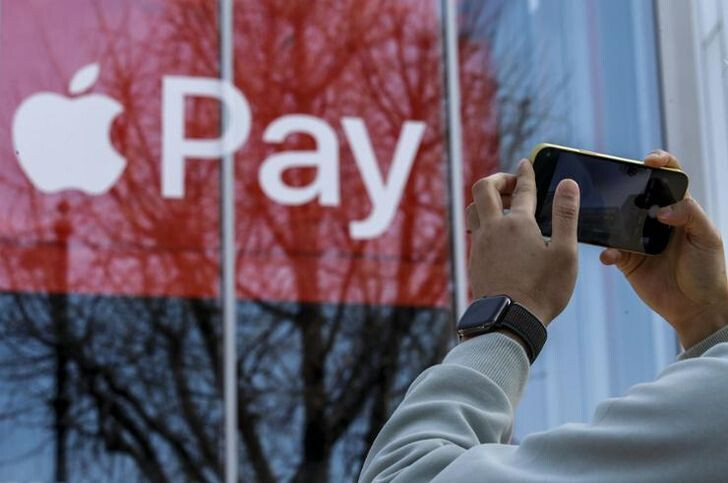
[SEOUL] A long-standing conflict over payment platform fees is reaching a breaking point, leaving South Korean card issuers in a precarious position. As the rivalry between Samsung Pay and Apple Pay intensifies, industry analysts warn that card companies are being forced to shoulder the financial burden of a battle they cannot win, primarily due to a decade-long freeze on merchant commission rates.
The "Zero-Sum" Regulatory Trap
The root of the crisis lies in the domestic fee structure. For 15 years, the South Korean government has strictly regulated the fees card issuers can charge merchants. Under the "Appropriate Cost" system, which is reviewed every few years, rates for small and medium-sized enterprises (SMEs) have been slashed to as low as 0.4% for businesses with annual revenues under 300 million KRW.
Currently, approximately 96% of all merchants in Korea qualify for these preferential low rates. Compared to the pre-2012 era when rates reached 4.5%, the current revenue model for card issuers has effectively collapsed. "There is simply no more room to lower rates," an industry insider lamented. "We are already absorbing the operational costs of the national payment infrastructure."
The "Apple Effect" and the Samsung Rebound
The entry of Apple Pay into the Korean market changed the landscape. Unlike Samsung Pay, which initially offered its services to card issuers for free, Apple charges a transaction fee (estimated at 0.15%). While this began with a partnership with Hyundai Card, the imminent expansion to Shinhan, KB Kookmin, and Toss Bank has sparked a "fairness" debate.
Samsung Electronics, which dominates the market with over 18.6 million users, now faces internal pressure to end its free-service model to avoid "reverse discrimination." While Samsung officially states that no decision has been made, officials have hinted that if card issuers expand their Apple Pay support, Samsung may implement its own fees to maintain parity.
Rising Hidden Costs: The "3-Won" Burden
Beyond transaction fees, card issuers are already bleeding from "hidden" expenses. For every Samsung Pay transaction, card companies must pay roughly 3 KRW per instance to biometric authentication providers for fingerprint or iris recognition services. As mobile payment volume surges, these per-transaction costs are ballooning, despite the issuers earning near-zero profit from the actual merchant commission.
The Fallout: Declining Profits and Vanishing Perks
The financial impact is already visible. In 2025, the combined net profit of Korea’s eight major card issuers (including Shinhan, Samsung, Hyundai, and KB Kookmin) fell by 8.9% year-on-year. While income from card loans increased, the revenue from merchant commissions dropped by over 440 billion KRW due to regulatory pressure.
Industry experts warn that the ultimate victim will be the consumer. To offset the dual burden of government-mandated low commissions and platform-mandated high fees, card issuers are aggressively cutting "Alzza" cards (high-benefit cards). Marketing budgets, reward points, and discount programs are being slashed to maintain liquidity.
A Future in Flux
As Gen Z consumers increasingly favor iPhones—reaching a 60% adoption rate among the youth—the pressure on card issuers to support Apple Pay is unavoidable. However, if they pay both Samsung and Apple, while unable to raise rates for merchants, the traditional credit card business model may become unsustainable.
"We are entering a structural deficit era for payment services," said a financial analyst. "Without a fundamental overhaul of the 15-year-old fee regulation system, the rivalry between tech giants will continue to be subsidized by the thinning margins of financial institutions."
[Copyright (c) Global Economic Times. All Rights Reserved.]