![[등록] 2026-09-01 15:48:31](/support/_updata/banner2/tl181982910_6749.png)


(C) High North News
PARIS – The global movement to safeguard children from the digital frontier is accelerating as France becomes the latest nation to announce a sweeping ban on social media for minors under the age of 15. This move follows the landmark legislation recently implemented in Australia, signaling a shift in how democratic governments view the psychological impact of Big Tech.
Macron: "Our Children's Brains are Not for Sale"
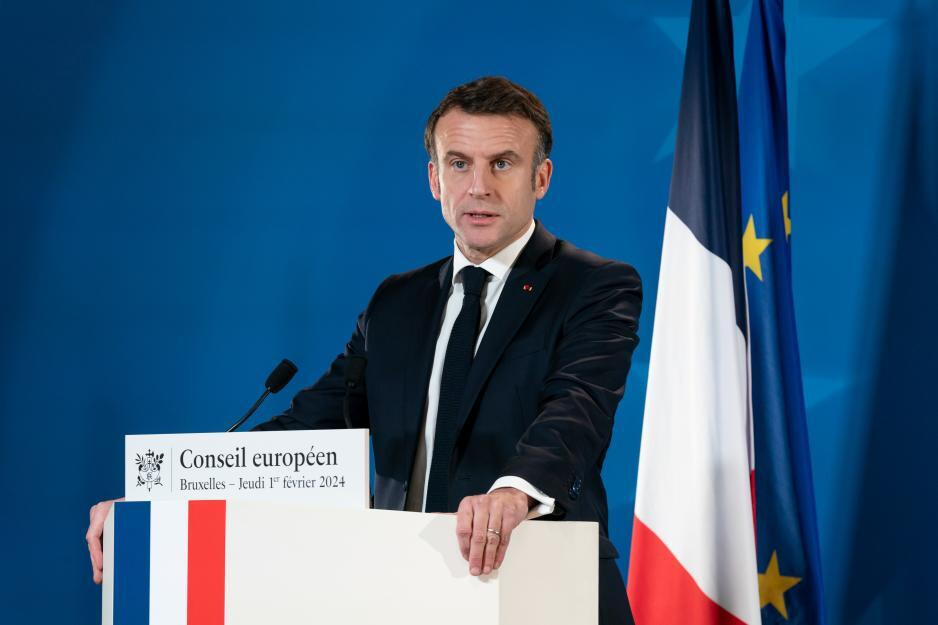
In a decisive statement made on January 24, French President Emmanuel Macron announced plans to expedite legal procedures to ensure a ban on social media for those under 15 is in effect before the new school year begins in September.
The President’s rhetoric was notably sharp, targeting the business models of global tech giants. "The brains of our children and teenagers cannot be sold," Macron stated. "Their emotions are not subjects to be manipulated by American platforms or Chinese algorithms."
In addition to the social media restrictions, Macron confirmed a total ban on mobile phone usage within high schools, aiming to establish "clear rules" for students, families, and educators alike.
Strengthening Age Verification
The legislative push is being led by Laure Miller, a Member of Parliament from Macron’s Renaissance Party. Miller has long criticized the current "honor system" where minors can bypass age restrictions simply by entering a false birthdate.
"We must improve age verification to ensure it reflects reality," Miller argued. While critics suggest that tech-savvy teens may find loopholes via VPNs or other workarounds, Miller remains firm: "France must take this essential first step in protecting minors online."
The "Anxious Generation" and the Australian Precedent
The momentum for these bans stems from Australia’s historic decision in December 2025 to ban social media for those under 16. Since its implementation, over 4.7 million accounts suspected of belonging to minors have been deactivated across platforms like Instagram, TikTok, and Facebook.
Upon the law’s commencement, Australian Prime Minister Anthony Albanese encouraged the youth to reconnect with the physical world, urging them to "pick up a musical instrument or read a book that has been sitting on the shelf."
Experts credit social psychologist Jonathan Haidt’s 2024 bestseller, The Anxious Generation, as a primary catalyst for this global policy shift. Haidt argues that society has "overprotected children in the real world while underprotecting them in the virtual world," leading to a crisis in adolescent mental health.
A Growing European Consensus
With France moving forward, the United Kingdom is also reportedly reviewing similar measures. The British government recently confirmed it is exploring a ban for under-16s as part of a broader strategy to enhance online safety. As these major economies align, the pressure mounts on tech conglomerates to overhaul their data practices and algorithmic designs for younger audiences.
[Copyright (c) Global Economic Times. All Rights Reserved.]