![[등록] 2026-09-01 15:48:31](/support/_updata/banner2/tl181982910_6749.png)


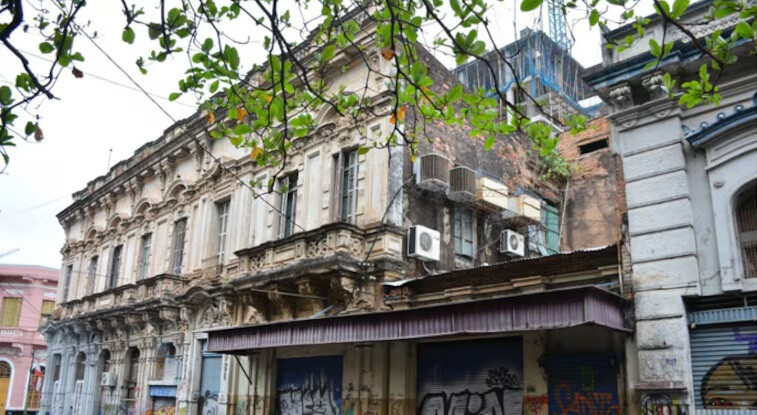
The Asunción city authorities are preparing an action plan to recover abandoned buildings in the downtown area that are illegally occupied and used as shelters by homeless individuals and drug addicts. The city authorities of Asunción and the metropolitan area, in collaboration with the National Police, are expected to execute this plan in the downtown area soon.
Ariel Andino, Director of the Municipal Police of Surveillance, stated that notifications have already been sent to the owners of more than 12 abandoned buildings in the downtown area.
He explained, "If the required measures, such as cleaning or at least minimal security measures, are not implemented, the city authorities will intervene directly, in accordance with a comprehensive court order that empowers us to protect the public interest."
Director Andino noted with regret that most of the city's historical center is completely abandoned because many buildings in the area have been vacated due to various circumstances, and commercial establishments have moved to other centers of urban development.
He emphasized that the planned operation will include cleaning, blocking access routes, and deploying police forces in the intervention areas. The goal is to restore a safe, clean, and livable environment in the city center, encouraging citizens to use urban spaces without risk.
This plan by the city of Asunción appears to have a larger goal beyond simply recovering buildings: the revitalization of the downtown area. Long-term abandoned buildings not only detract from the city's appearance but also have a high potential to become hotbeds for crime, threatening the safety of citizens and negatively impacting urban economic activity.
Illegal occupation not only infringes on the property rights of building owners but also poses serious threats to the safety and health of the occupants. Abandoned buildings generally have poor sanitation and are structurally unstable, exposing them to risks such as fire or collapse. Furthermore, the possibility of criminal activity among illegal occupants cannot be ruled out.
Many cities in Europe and North America have also faced social problems due to abandoned buildings resulting from urban sprawl. These cities are making various efforts to recycle or recover abandoned buildings to restore urban functions. For example, the city of Barcelona in Spain has successfully implemented a project to convert abandoned buildings into social housing, addressing housing issues and revitalizing the city. The city of Berlin in Germany has implemented a policy of supporting artists by renting abandoned buildings to them at low prices to be used as creative spaces, thereby enhancing the city's cultural appeal.
The Asunción city's plan is expected to be an important first step in recovering abandoned buildings and improving the downtown environment. However, several challenges must be overcome for successful results. First, it is crucial to secure the active cooperation of building owners. Additionally, humanitarian support and resettlement plans for illegal occupants should not be overlooked, as simply forcibly evicting them will not solve the problem and could lead to other social issues.
Through this plan, the city of Asunción is expected not only to improve the aesthetics of the downtown area and ensure the safety of its citizens but also, in the long term, to positively impact the revitalization of the downtown commercial district and strengthen the city's competitiveness. If abandoned buildings are reborn as cultural spaces or convenience facilities for citizens, the downtown area can transform into a more attractive space.
The Asunción city's plan to recover abandoned and illegally occupied buildings is an important task for the sustainable development of the city. It is hoped that this plan will be successfully implemented through thorough preparation and close cooperation between relevant authorities, and that Asunción will be reborn as a safer and more vibrant city. At the same time, wisdom is needed to create a city where all citizens can thrive together, with sufficient consideration and support for the socially vulnerable.
[Copyright (c) Global Economic Times. All Rights Reserved.]