
![[등록] 2026-09-01 15:48:31](/support/_updata/banner2/tl181982910_6749.png)


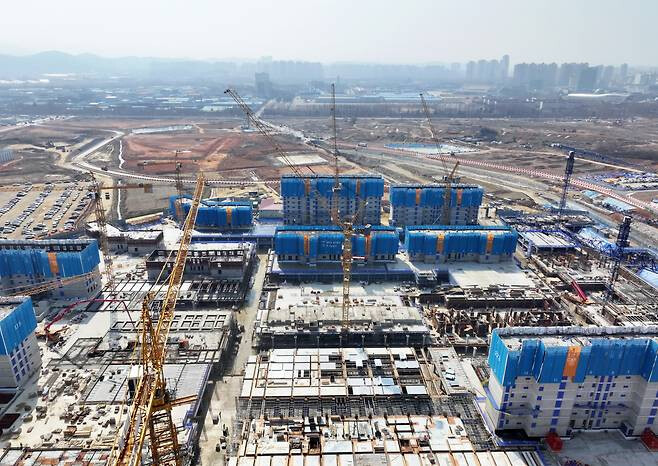
The South Korean construction industry is facing a deepening crisis, evidenced by a 14-year high in business closures and a record low in new company registrations during the first quarter of 2025. The confluence of escalating construction costs, a burgeoning inventory of unsold properties, and a tightening financial environment is creating a perfect storm, forcing established players to shutter operations while deterring potential new entrants. This alarming trend, highlighted by data from the Construction Industry Knowledge Information System (KISCON), paints a stark picture of an industry under significant duress.
The KISCON data reveals that 160 general construction firms declared their closure in the first three months of this year, a stark 19.4% increase from the 134 closures reported during the same period in 2024. This figure surpasses even the levels seen in the aftermath of the 2008 global financial crisis, underscoring the severity of the current downturn. Simultaneously, the number of newly registered general construction businesses plummeted to a record low of 131, the lowest first-quarter figure since record-keeping began in 2004. This dramatic imbalance between exits and entries signals a fundamental erosion of confidence and viability within the sector.
The underlying causes of this contraction are multifaceted and deeply entrenched. Soaring construction costs, driven by rising prices of raw materials like steel and cement, coupled with labor shortages and increased wages, are squeezing the profit margins of construction companies. Many projects that were contracted during periods of lower costs are now proving to be financially unviable, leading to project delays, cancellations, and ultimately, business failures.
Adding to the woes is the growing problem of unsold apartments, particularly in regional areas. As interest rates have risen and economic uncertainty has persisted, demand for new housing has cooled, leaving developers and construction firms burdened with unsold inventory. This lack of cash flow further exacerbates their financial vulnerabilities, making it difficult to meet operational expenses and service debt.
The impact of these headwinds is clearly reflected in key construction indicators. According to the Korea Research Institute for Construction Policy, construction orders in January and February experienced a significant 14.9% year-on-year decline, totaling 21.7 trillion won. Notably, the public sector, traditionally a stable source of demand, saw an even steeper drop of 26.9%, indicating potential government spending constraints or project postponements. The February-specific data revealed public sector orders at a mere 2.9 trillion won, the lowest for that month in six years.
Construction orders serve as a crucial leading indicator of future construction investment, and the 7.7% decrease in the first quarter of 2025, marking a reversal from the previous year's negative trend, offers little optimism for a near-term recovery. The Bank of Korea's recent assessment in its Monetary Policy Report echoes this sentiment, projecting continued weakness in construction investment throughout the year, with only a gradual recovery anticipated in the latter half.
The recent wave of bankruptcy filings by approximately ten mid-sized construction companies, ranked within the top 100 in terms of construction capacity, serves as a stark warning about the systemic risks permeating the industry. These are not small, marginal players; these are established firms with significant project portfolios and workforces. Their financial distress underscores the breadth and depth of the current crisis.
Analysts at Eugene Investment & Securities point to a dangerous cocktail of factors contributing to this precarious situation. Beyond rising construction costs and unsold apartments, the issue of real estate Project Financing (PF) guarantees looms large. Many construction companies have provided guarantees for PF loans extended to developers, and as projects face delays or fail, these guarantees are being called upon, leading to significant contingent liabilities and further straining their already stretched balance sheets. The interconnectedness of developers, construction firms, and financial institutions through PF arrangements amplifies the systemic risk, potentially triggering a wider financial fallout if not managed effectively.
The government has announced some measures to support the construction industry, including financial assistance and efforts to stabilize the real estate market. However, the effectiveness and scale of these interventions remain to be seen. Critics argue that more decisive and comprehensive action is needed to address the fundamental issues of rising costs, unsold inventory, and the potential unwinding of PF exposures.
The current crisis in the South Korean construction industry has broader economic implications. The sector is a significant contributor to GDP and employment, and a prolonged downturn could have knock-on effects across various related industries. Furthermore, the stability of the financial system could be at risk if the real estate PF market experiences significant defaults.
Looking ahead, the industry faces a period of significant uncertainty and potential restructuring. Only the most financially resilient and adaptable companies are likely to weather this storm. The record low in new company registrations suggests a lack of confidence in the sector's future prospects, which could further limit its growth potential in the long term. The South Korean government and industry stakeholders face a critical juncture where decisive action is needed to mitigate the current crisis and lay the foundation for a more sustainable and resilient construction sector in the years to come. The alarming trends of soaring closures and dwindling new entrants serve as a clear signal that the industry is in dire need of a fundamental reassessment and a comprehensive strategy for recovery.
[Copyright (c) Global Economic Times. All Rights Reserved.]














