![[등록] 2026-09-01 15:48:31](/support/_updata/banner2/tl181982910_6749.png)


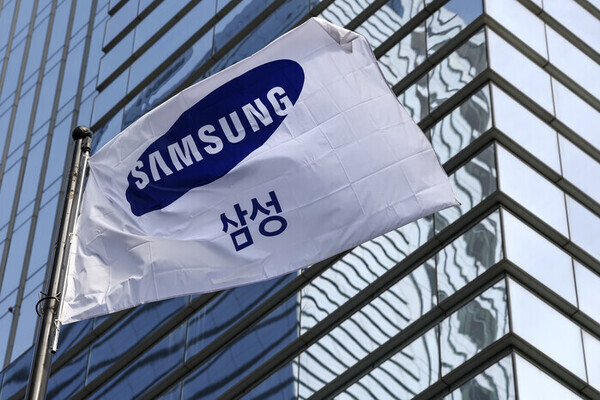
SEOUL – Samsung Electronics, a bellwether stock for South Korea, has finally breached the symbolic KRW 100,000 mark for the first time since its stock split seven years ago. The monumental achievement, coinciding with the third anniversary of Lee Jae-yong’s ascension to the Chairman role in October 2022, is attributed to surging optimism over an artificial intelligence (AI)-driven semiconductor boom, coupled with a series of major contract wins and strategic partnerships.
On this day, Samsung Electronics closed at KRW 102,000, marking a 3.24% jump from the previous trading day. Trading began with the stock immediately hitting KRW 101,300, securing the coveted “100,000-won Samsung” status. This milestone is particularly significant as the share price had not reached this level since the 50-to-1 stock split in 2018. Consequently, the company's market capitalization soared past the KRW 600 trillion threshold, settling at KRW 603.8 trillion.
The remarkable rally signifies a robust turnaround from a low of KRW 49,900 recorded on November 14 of the preceding year. In less than a year, the stock price has more than doubled.
The Turnaround: From Crisis to Record High
For a period, Samsung's stock performance had been subdued, primarily due to struggles in its core semiconductor business. The company notably lagged behind competitors like SK Hynix in the burgeoning High Bandwidth Memory (HBM) market, critical for AI accelerators. This performance deficit led to concerns about its fundamental technological competitiveness and even prompted talk of a "Samsung crisis." In response, the company greenlit a KRW 10 trillion share buyback program in November last year to bolster the stock price.
Momentum began to shift following a series of positive developments. In July, the Supreme Court acquitted Chairman Lee Jae-yong of charges related to illegal merger and accounting fraud. That same month, Samsung secured its largest-ever foundry (contract chip manufacturing) deal, reportedly a KRW 23 trillion contract with Tesla. August brought further good news with reports of a supply agreement for next-generation chips for Apple's iPhone.
More recently, on October 1, the company signed a letter of intent with OpenAI to support the seamless supply of high-performance memory for the massive AI infrastructure project, 'Stargate.' The day after, the stock briefly touched the KRW 90,000 level for the first time in four years and nine months.
Strong Earnings and Foreign Investor Confidence
Solid third-quarter earnings provided a crucial foundation for the stock's ascent. Fueled by rising memory demand due to the global expansion of AI, Samsung Electronics posted an operating profit of KRW 12.1 trillion, the first time in five quarters that profits exceeded the KRW 10 trillion mark. Furthermore, the company is reportedly nearing the final stage of supplying its fifth-generation HBM (HBM3E) to Nvidia and is undergoing certification for the sixth-generation (HBM4).
The record high is also attributed to an improving geopolitical landscape, specifically expectations of easing US-China trade tensions, alongside a continued positive outlook for semiconductor demand.
Foreign investors, who had offloaded over KRW 15 trillion worth of Samsung shares during the stock's slump between September and mid-November last year, have reversed course dramatically. From September up to October 24, they were net buyers, snapping up over KRW 9 trillion worth of stock.
The rally brings relief to the company's large base of retail investors. Approximately 5 million individual shareholders, who collectively hold 67.58% of Samsung's outstanding shares as of the first half of the year, have now entered profitable territory.
Securities firms remain bullish on Samsung's future prospects, citing the worldwide expansion of AI infrastructure investment. Kim Woon-ho, a researcher at IBK Investment & Securities, upgraded the target price to KRW 140,000, projecting that Samsung's operating profit improvement in 2026 is expected to be the highest in the industry.
[Copyright (c) Global Economic Times. All Rights Reserved.]