![[등록] 2026-09-01 15:48:31](/support/_updata/banner2/tl181982910_6749.png)


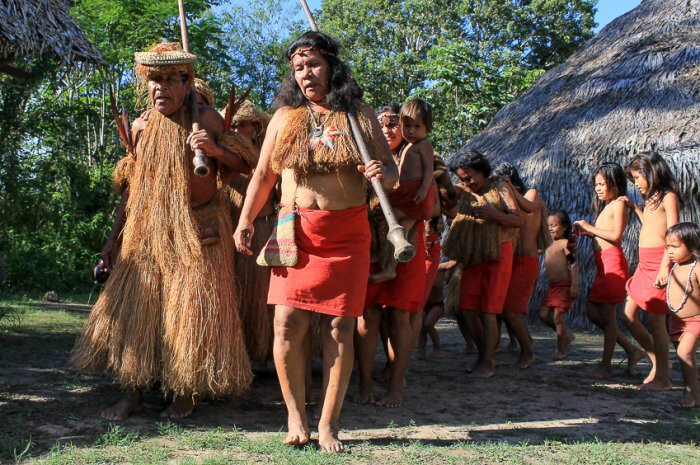
Warning issued about lead accumulation throughout the ecosystem's food chain; urgent need for non-lead ammunition alternatives.
A shocking result has been published from a scientific investigation recently conducted by researchers from the Autonomous University of Barcelona (UAB) and the University of Barcelona (UB) in Spain on a remote Indigenous community in the Amazon: the majority of residents are exposed to severe levels of lead. Amidst growing concern from environmental health and human rights experts, this study points to lead ammunition used in subsistence hunting—a previously overlooked factor—as a potential major source of contamination.
Extensive Lead Contamination Status
The study, conducted in an Indigenous community located within a well-preserved pristine forest area of the northeastern Peruvian Amazon, comprehensively analyzed humans, wildlife, fish, as well as potential contamination sources like river water, soil, and hunting ammunition.
The results showed that over 95% of the Indigenous community exceeded the health-damaging threshold of 5 micrograms per deciliter (μg/dL) in their blood lead levels. Specifically, 95.8% of children under 12 and 94.5% of adults surpassed this danger level, with the average blood lead concentration reaching 11.74 μg/dL. Lead is a toxic metal known to have no safe level of exposure and can severely affect the nervous system, kidneys, and blood. For children and pregnant women, it can lead to even more fatal consequences, such as issues with cognitive development and reproductive health.
Hunting Ammunition and Drinking Water: Dual Contamination Routes
In tracing the contamination routes, the researchers confirmed that river water used for drinking and cooking, and lead-based ammunition used for subsistence hunting, are the primary causes of human lead exposure.
Lead ammunition fragments minutely upon hitting an animal and remains in the meat. The consumption of this contaminated meat is identified as the core pathway causing chronic lead exposure in the Indigenous population. Pedro Mayor, a research coordinator from UAB, emphasized, "Not only river water, but also wildlife and fish carry lead, and wildlife, in particular, acts as a vehicle for transferring lead from ammunition."
In fact, 99% of the wildlife samples showed liver lead concentrations significantly exceeding the European regulatory limit of 0.1 mg/kg for human consumption. This suggests that bioaccumulation and biomagnification, where lead accumulates along the food chain and concentrates in living organisms, are occurring across the entire Amazon ecosystem. This issue could expand into a global health concern relevant to tropical rainforest communities worldwide that rely on hunting for their livelihood.
Call for Alternatives and Policy Support
Traditionally, lead contamination has been associated with industrial activities or mining areas. However, this study raises awareness by proving that serious lead exposure can occur through subsistence activities even in non-industrial regions.
The research team recommended the following actions to address the health threat to the Indigenous community:
Transition to Non-toxic Ammunition: Lead ammunition should be replaced by introducing non-toxic alternatives based on steel or copper.
Establish Safe Drinking Water Systems: Effective purification and filtration systems capable of removing lead should be put in place before using river water.
Strengthen Health and Environmental Education: Education on the risks of lead exposure and preventive measures should be intensified within the community.
Experts are urging Amazon government authorities to swiftly implement policy support and alternative solutions to ensure Indigenous people can access safer products without jeopardizing their means of subsistence.
Lead toxicity must be recognized as a widespread environmental problem that threatens not only industrialized environments but also the health of the most remote ecosystems and human populations.
[Copyright (c) Global Economic Times. All Rights Reserved.]