![[등록] 2026-09-01 15:48:31](/support/_updata/banner2/tl181982910_6749.png)


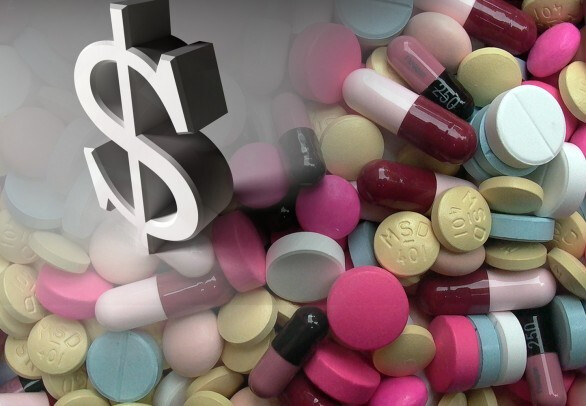
Washington D.C. – In a move intended to overhaul the landscape of prescription drug pricing in the United States, then-President Donald Trump signed an executive order on May 12th, mandating significant reductions in the cost of medications. The directive seeks to peg the often exorbitant prices of drugs in the U.S. to those prevalent in other developed nations, a policy shift with potentially far-reaching implications for patients, the pharmaceutical industry, and the broader healthcare system.
The then-President had telegraphed his intentions the day prior via his social media platform, asserting that the order would establish a "Most Favored Nation" (MFN) pricing model. This policy aims to ensure that the United States pays no more for prescription drugs than the lowest price paid by any other developed country. The then-President boldly predicted near-immediate price drops ranging from 30% to as high as 80% for various prescription medications and pharmaceuticals. He stated his belief that this action would finally grant the U.S. a fair deal and substantially alleviate the financial burden of healthcare on its citizens.
The impetus behind this executive action lies in the widely acknowledged disparity between drug prices in the United States and those in comparable industrialized nations. Data compiled by the Kaiser Family Foundation (KFF) starkly illustrates this point. For instance, the diabetes medication Jardiance, a common prescription, was priced at $611 for a 30-day supply in the U.S. the previous year. This figure stands in stark contrast to the cost of the same drug in Japan ($35) and Switzerland ($70), highlighting the significant premium American consumers often pay for essential medications.
The announcement and subsequent signing of the executive order have triggered considerable apprehension within the pharmaceutical industry. Alex Schriver, a senior executive at the Pharmaceutical Research and Manufacturers of America (PhRMA), the industry's leading trade group, voiced strong opposition. Schriver argued against the adoption of what he termed "failed policies from abroad," particularly at a time when the U.S. is facing increasing competitive pressure from countries like China. He urged a focus on addressing the perceived shortcomings within the American pharmaceutical system itself.
Furthermore, the then-President had previously raised the specter of tariffs on imported pharmaceutical products, adding another layer of uncertainty and potential cost implications for the industry. As recently as May 5th, the then-President indicated that these tariffs would be unveiled within a fortnight, suggesting a multi-pronged strategy to exert downward pressure on drug prices.
The "Most Favored Nation" policy, at its core, intends to leverage the purchasing power of other developed nations to negotiate lower prices within the U.S. The argument is that American consumers should not have to pay significantly more for the same medications that are available at substantially lower costs in countries with robust healthcare systems and negotiation mechanisms.
However, the implementation and long-term effects of such a drastic policy shift are likely to be complex and contested. The pharmaceutical industry argues that the high cost of drugs in the U.S. is necessary to fund the expensive and time-consuming research and development process required to bring new and innovative treatments to market. They contend that price controls could stifle innovation and limit access to cutting-edge therapies in the future.
Critics of the MFN approach also raise concerns about potential unintended consequences. Some fear that pharmaceutical companies might choose to launch new drugs in more profitable markets first, potentially delaying access for American patients. Others worry about the impact on the domestic pharmaceutical supply chain and the potential for drug shortages if manufacturers find it less lucrative to sell their products in the U.S.
The debate over drug pricing in the United States is a long-standing and multifaceted issue, involving a complex interplay of market forces, regulatory frameworks, and ethical considerations. The U.S. system, unlike many other developed nations, largely allows pharmaceutical companies to set their own prices, leading to the disparities highlighted by the KFF data. Efforts to control drug costs have been met with resistance from the powerful pharmaceutical lobby, which advocates for a market-based approach that incentivizes innovation.
The executive order signed by the then-President represents a significant intervention in this market dynamic. Its success will likely depend on the specific mechanisms of implementation, the response of the pharmaceutical industry, and any potential legal challenges that may arise. The promised "almost immediate" price reductions will be closely watched by patients and policymakers alike.
The international comparison of drug prices reveals a stark reality that has fueled public outrage and political pressure for reform. Countries with universal healthcare systems and government negotiation of drug prices, such as Japan and Switzerland (cited in the KFF data), often achieve significantly lower costs for both brand-name and generic medications. The MFN policy seeks to emulate this model, albeit within the existing American healthcare framework.
The potential benefits for American consumers are substantial, particularly for those with chronic conditions who rely on expensive medications. Lower drug prices could translate to significant savings on out-of-pocket expenses, making essential treatments more affordable and accessible. This could have a particularly profound impact on vulnerable populations and those with inadequate insurance coverage.
However, the pharmaceutical industry's concerns about the potential for reduced revenue and its impact on research and development cannot be dismissed lightly. Striking a balance between ensuring affordable access to medications and incentivizing pharmaceutical innovation remains a critical challenge for policymakers.
The then-President's executive order marks a bold attempt to address the persistent problem of high drug prices in the United States. Its ultimate success will be determined by its practical implementation, its legal sustainability, and its long-term effects on both the affordability of medications and the pace of pharmaceutical innovation. The world will be watching closely to see whether this move can indeed deliver the promised relief to American patients and reshape the future of drug pricing in the nation.
[Copyright (c) Global Economic Times. All Rights Reserved.]