![[등록] 2026-09-01 15:48:31](/support/_updata/banner2/tl181982910_6749.png)


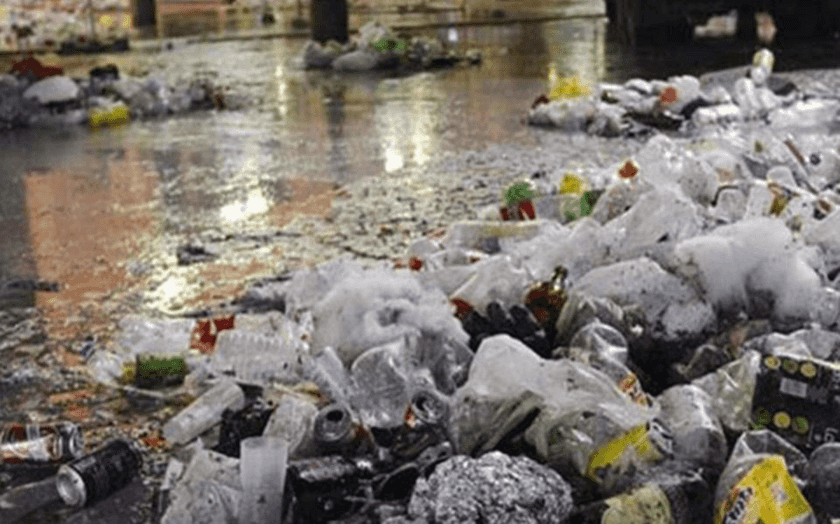
The recent extreme rainfall that hit Mexico City has clearly exposed the vulnerability of the city's sewage system. Climate change is intensifying precipitation, pushing it to levels that existing drainage facilities simply cannot handle. The powerful storms, which lasted for several weeks, inundated streets, homes, and even subway stations, affecting countless citizens. This is the result of a dangerous combination: extreme rainfall patterns and the massive accumulation of trash.
The City on an Ancient Lake Faces Unbearable Downpours
The rise in global temperatures is making rainfall events more intense in Mexico's capital. Built originally on an ancient lake and possessing a complex hydraulic system, Mexico City's sewage capacity is quickly saturated by intense downpours concentrated in short periods. However, the problem doesn't stop there. Numerous plastic debris, packaging, and construction waste are swept into the sewers by rainwater, blocking the flow of water and causing localized collapses.
The sewage system in the Metropolitan Area of the Valley of Mexico (ZMVM) is becoming paralyzed by trash, especially during the rainy season. The recent situation has caused flooding in over 3,500 homes in the eastern part of the capital. Authorities have already recovered more than 41,000 tons of trash from the sewers this year alone.
The 'Cancer' Blocking Sewers: The Impact of Massive Waste
The types of trash discovered by the National Water Commission (Conagua) in the rivers that function as part of the drainage system are shocking. Appliances, refrigerators, mattresses, carpets, car parts, tires, toys, as well as motorcycles, lampposts, and even car bodies have been found. Citlalli Elizabeth Peraza Camacho, Director of the Valley Water System at Conagua, emphasized, "Trash is like a cancer that has a huge impact on us."
She pointed out that "The first step is not to throw trash in the streets," stressing that this is the fundamental cause of flooding and blocked drains.
Complex Threat of Subsidence and Climate Events
Two days after the heavy rains on September 29, Mexican President Claudia Sheinbaum explained that the flooding was related not only to "atypical precipitation" but also to "differential land subsidence" that plagues the capital annually. Excessive groundwater extraction accelerates ground sinking, negatively affecting water drainage and transport. Director Peraza Camacho reminded that the Deep Drainage System (Drenaje Profundo)—a massive underground tunnel system managed by Conagua—requires trash not to block the pumping equipment to function properly. She stated, "Eight out of ten floods are caused by trash."
In particular, the heavy rain in the municipality of Nezahualcóyotl (State of Mexico) affected approximately 8,000 homes, with more than 22,000 damage reports filed across 24 neighborhoods, including homes, shops, and religious buildings. Fabián Vázquez Romaña, General Coordinator of the National Meteorological Service (SMN), analyzed that this season has seen "episodes where it rains very hard in a very short time," which "makes the damage much more severe." Ultimately, chaos ensues when the drainage capacity of the hydraulic infrastructure is exceeded.
Disaster Repeats Without Fundamental Solutions
Mexico City's case is a prime example of how the combination of the climate crisis and poor urban waste management amplifies risk. The reality of over 41,000 tons of trash being collected from sewers annually suggests a serious urban management problem.
Experts suggest that a policy shift is needed, moving beyond the traditional civil engineering approach—such as expanding or modernizing sewage facilities—to one that considers natural water cycles, such as implementing rainwater harvesting systems. Furthermore, voluntary environmental education and practice by citizens, focused on cleaning up rivers and reducing waste discharge at the community level, are essential.
If structural measures and environmental education are not simultaneously pursued, extreme rainfall will continue to collapse not only the sewage system but also the city's overall response capacity. Active citizen participation and long-term government policy are the keys to overcoming this water management crisis.
[Copyright (c) Global Economic Times. All Rights Reserved.]