• 2026.08.22 (Sat)
  • All articles
  • LOGIN
  • JOIN
Global Economic Times
fashionrunwayshow2026
  • Synthesis
  • World
  • Business
  • Industry
  • ICT
  • Distribution Economy
  • Well+Being
  • Travel
  • Eco-News
  • Education
  • Korean Wave News
  • Opinion
  • Arts&Culture
  • Sports
  • People & Life
    • International Student Report
    • With Ambassador
  • Column
    • Cho Kijo Column
    • Cherry Garden Story
    • Ko Yong-chul Column
    • Kim Seul-Ong Column
    • Lee Yeon-sil Column
  • Photo News
  • New Book Guide
MENU
 
Home > Industry

Hyundai Motor Faces First Full-Scale Strike in a Decade Over Wage Impasse 

Desk / Updated : 2026-08-22 00:15:22
  • -
  • +
  • Print


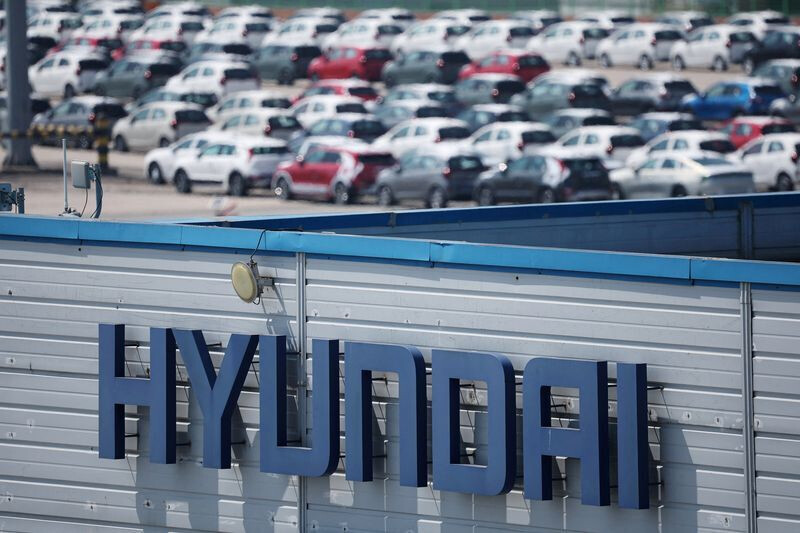
SEOUL — Hyundai Motor, South Korea’s largest automaker, experienced a total production standstill on August 21, 2026, as its labor union launched an eight-hour full-scale strike for the first time in ten years. The industrial action, marking a significant escalation in ongoing wage negotiations, has brought assembly lines at the company’s Ulsan, Jeonju, and Asan plants to a complete halt. 

According to industry reports, approximately 39,000 union members—including both production and office staff—participated in the walkout. By idling both the morning and afternoon shifts for eight hours each, the union effectively paralyzed operations for a full 16-hour period. This move represents the most severe labor disruption for the company since 2016. 

Escalating Tensions and Financial Impact

The labor-management conflict, which has been simmering for months, reached a breaking point following a series of failed negotiations. As of the strike date, cumulative production losses for the year are estimated to have reached approximately 55,200 vehicles. Industry analysts and company sources project that the total revenue loss from these disruptions has already surpassed 2.3 trillion won (approximately $1.67 billion). With the union announcing plans for further partial strikes on August 24 and 25, the financial impact is expected to continue climbing. 

Core Disputes: Bonuses, Reinstatement, and Retirement Age

The core of the dispute rests on three contentious demands put forth by the union: 

Bonus Increase: The union is calling for a 50% increase in performance bonuses, arguing that the company’s massive retained earnings—exceeding 100 trillion won—provide sufficient capacity to reward employees more generously. 
Reinstatement of Dismissed Workers: The union continues to demand the reinstatement of members who were previously dismissed for what the company characterizes as illegal union activities. 
Retirement Age Extension: Labor representatives are seeking an increase in the mandatory retirement age to 65, aiming to align corporate policy with the eligibility requirements for the national pension. 
The management, however, maintains a firm stance against these demands. Hyundai Motor officials argue that the bonus request is excessive and that the issues of reinstatement and retirement age are outside the legal scope of annual wage negotiations. The company asserts that the dismissed workers were terminated in accordance with the law and that any changes to the retirement age require broader social consensus and legislative discussion rather than individual corporate bargaining. 

A Challenging Road Ahead

While labor and management attempted to bridge the gap during a round of talks on August 18, the discussions ended without a breakthrough. The union has indicated that without a more favorable proposal from management, it will convene its Central Disputes Committee on August 25 to discuss more aggressive strategies. 

This strike comes at a precarious time for Hyundai Motor, which has already been grappling with a cooling global auto market and a consecutive decline in international sales. As the company navigates this labor standoff, the automotive industry remains on high alert, concerned that a prolonged impasse could have ripple effects on the broader South Korean economy, especially as the manufacturing sector faces increasing pressure from global competition and the rapid transition toward AI-driven automotive technologies. 

With no immediate end to the standoff in sight, the focus now shifts to the upcoming days as both sides prepare for further negotiations, shadowed by the looming threat of continued production disruptions.

[Copyright (c) Global Economic Times. All Rights Reserved.]

  • #globaleconomictimes
  • #micorea
  • #mykorea
  • #Lifeplaza
  • #nammidonganews
  • #singaporenewsk
  • #Taiwanpost
  • #Samsung
  • #Doosa
Desk
Desk

Popular articles

  • Memory Boom Drives Samsung Electronics to Record $65 Billion Q2 Profit, Offsetting Heavy Set Losses

  • South Korea Launches Comprehensive ‘Agentic AI Initiative’ to Secure Global Leadership in Execution-Centric AI Ecosystems

  • “Buy the Dip Despite the Panic Crash?”: Semiconductor Bottom Thesis Gains Traction Amid 'Samjon-Nix' Rout

I like it
Share
  • Facebook
  • X
  • Kakaotalk
  • LINE
  • BAND
  • NAVER
  • https://www.globaleconomictimes.kr/article/1065539598240063 Copy URL copied.
Comments >

Comments 0

Weekly Hot Issue

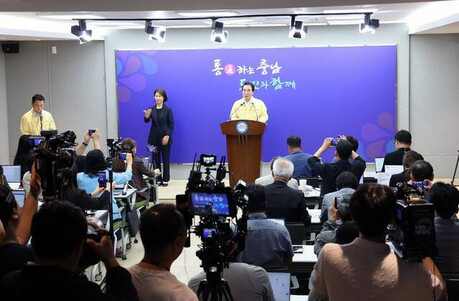
  • South Chungcheong Province Targets European Markets and Vatican Diplomacy to Expand Global Network
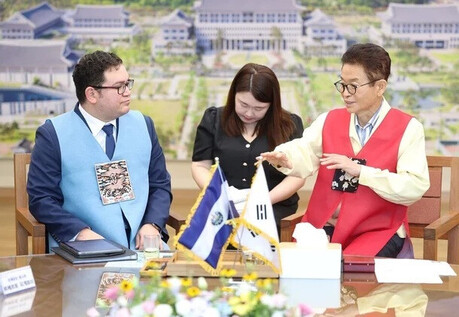
  • Gyeongsangbuk-do Governor Discusses Strengthening Local Government Cooperation with Salvadoran Ambassador 
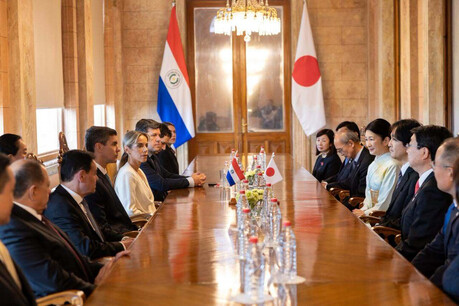
  • The President of the Republic, Santiago Peña, welcomed Their Imperial Highnesses Fumihito, Prince Akishino—Crown Prince of Japan—and Princess Kiko of Akishino.
  • "The Era of Automatic Alliance Protection is Over": South Korea’s New 'Four-Pillar' Survival Strategy
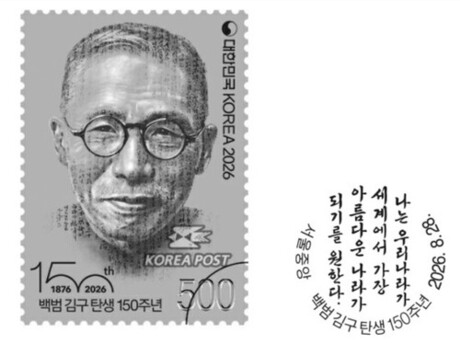
  • Korea Post to Issue Commemorative Stamps Marking 150th Birth Anniversary of Baekbeom Kim Gu 
  • Korean fintech expertise is making significant strides in the Vietnamese financial market, signaling a new era where "work records" serve as a foundation for credit.

Most Viewed

1
The 16th Ethiopia-gil World Festival & Meskel Festival
2
Nable Communications Secures 5G Private Network Upgrade Deal with LG Uplus
3
'Delisting Countdown' Becomes Reality as Mass Administrative Stock Designations Hit Listed Companies
4
KOSPI Nears 7,000 Milestone with a 2.4% Surge, Riding a Five-Day Winning Streak Market Overview: A Powerful Weekly Rally
5
SK Hynix Declares Q2 Dividend of 375 Won Per Share, Signals Enhanced Shareholder Returns in Q3
광고문의
임시1
임시3
임시2

Hot Issue

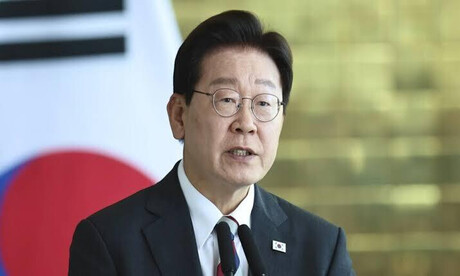
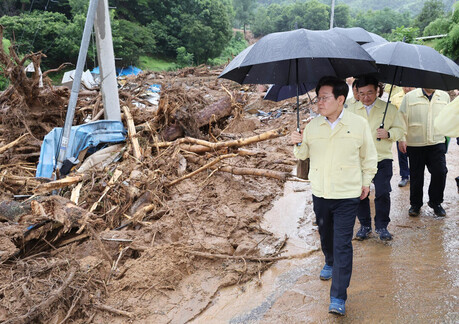
President Lee Declares Geoje and Tongyeong 'Special Disaster Zones' Amid Heavy Rain Damage

MegazoneSoft Completes Google Workspace-Based AI Transformation for Nongshim Group 

Japan Carries Out First Execution in 14 Months Under Prime Minister Takaichi, Stoking Debate on Capital Punishment

Fashion Runway Show 2026

Let’s recycle the old blankets in Jeju Island’s closet instead of incinerating them.

Global Economic Times
korocamia@naver.com
CEO : LEE YEON-SIL
Publisher : KO YONG-CHUL
Registration number : Seoul, A55681
Registration Date : 2024-10-24
Youth Protection Manager: KO YONG-CHUL
Singapore Headquarters
5A Woodlands Road #11-34 The Tennery. S'677728
Korean Branch
Phone : +82(0)10 4724 5264
#304, 6 Nonhyeon-ro 111-gil, Gangnam-gu, Seoul
Copyright © Global Economic Times All Rights Reserved
  • 향기네무료급식
  • BCB부천방송
  • 반달곰 프로젝트
Search
Category
  • All articles
  • Synthesis
  • World
  • Business
  • Industry
  • ICT
  • Distribution Economy
  • Well+Being
  • Travel
  • Eco-News
  • Education
  • Korean Wave News
  • Opinion
  • Arts&Culture
  • Sports
  • People & Life 
    • 전체
    • International Student Report
    • With Ambassador
  • Column 
    • 전체
    • Cho Kijo Column
    • Cherry Garden Story
    • Ko Yong-chul Column
    • Kim Seul-Ong Column
    • Lee Yeon-sil Column
  • Photo News
  • New Book Guide
  • Multicultural News
  • Jobs & Workers