![[등록] 2026-09-01 15:48:31](/support/_updata/banner2/tl181982910_6749.png)


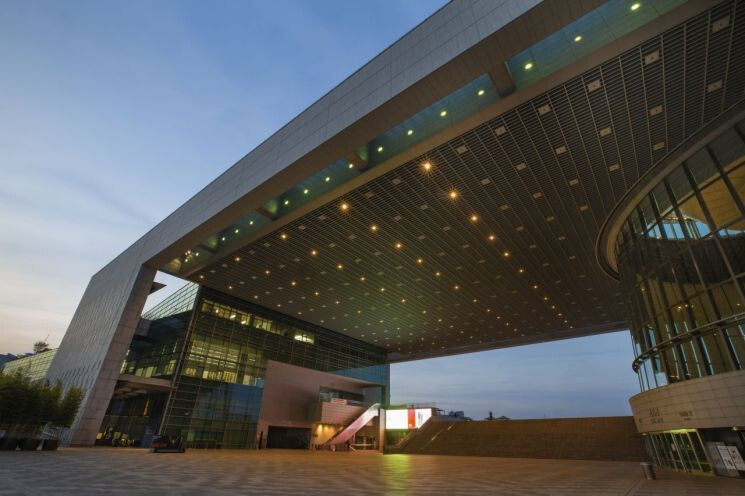
SEOUL — In a historic milestone for South Korea's cultural landscape, the National Museum of Korea (NMK) has ascended to the third most-visited art and museum institution in the world, according to the latest global attendance survey.
A Global Shift in Cultural Consumption
The "2025 World Museum Attendance Survey," published on March 31 by the specialized art media outlet The Art Newspaper, revealed that the NMK welcomed a staggering 6,507,483 visitors last year. This figure places the Seoul-based institution directly behind the Musee du Louvre in Paris (9.04 million) and the Vatican Museums (6.93 million).
In a remarkable feat, the NMK outperformed world-renowned giants such as the British Museum in London, which recorded 6.44 million visitors, and the Metropolitan Museum of Art in New York, which saw 5.98 million.
Explosive Growth Driven by "K-Culture"
The Art Newspaper highlighted the NMK's performance as the most "dazzling increase" in the global sector. The museum’s attendance surged by over 70% compared to the 3.8 million visitors recorded in 2024. This leap moved the institution from 8th place in the previous year to its current podium position.
Experts attribute this surge to the "K-Culture" phenomenon. As Korean pop music, cinema, and drama continue to dominate global trends, international and domestic interest has naturally shifted toward the historical roots and traditional aesthetics that define the nation’s identity.
Diversified Success Across the Peninsula
The report underscored that this trend isn't limited to a single institution. Other South Korean museums also secured prominent spots on the global top 100 list:
MMCA Seoul (National Museum of Modern and Contemporary Art): 35th place (2.11 million)
Gyeongju National Museum: 39th place (1.97 million)
Buyeo National Museum: 78th place (950,000)
Gongju National Museum: 89th place (860,000)
This distribution suggests a nationwide cultural renaissance, where regional history and modern art are becoming major attractions for both locals and tourists alike.
Innovation in Curation and Experience
Yu Hong-june, the Director of the National Museum of Korea, expressed pride in the results, stating, "The global spread of K-Culture has sparked a deep curiosity about the roots of our traditional culture and heritage. This record is a meaningful outcome of that interest."
The museum administration also pointed to internal strategic shifts. Beyond simply displaying artifacts, the NMK has focused on:
Exhibition Innovation: Integrating digital technology and immersive media to make ancient artifacts accessible to younger generations.
Diverse Programming: Hosting high-profile special exhibitions alongside curated permanent collections.
Cultural Goods (MD) Strategy: Developing high-quality museum merchandise—such as the "Pensive Bodhisattva" miniatures—that has gained viral popularity on social media.
The Global Perspective
International observers note that the NMK's rise represents a shift in the traditional Eurocentric museum hierarchy. While the Louvre and the Vatican remain at the top due to their massive historical footprint, the rapid ascent of Asian institutions like the NMK suggests that the global "cultural gravity" is moving eastward.
As South Korea continues to solidify its role as a global cultural powerhouse, the National Museum of Korea stands at the forefront, bridging the gap between a 5,000-year history and a modern, tech-savvy audience.
[Copyright (c) Global Economic Times. All Rights Reserved.]