
![[등록] 2026-09-01 15:48:31](/support/_updata/banner2/tl181982910_6749.png)


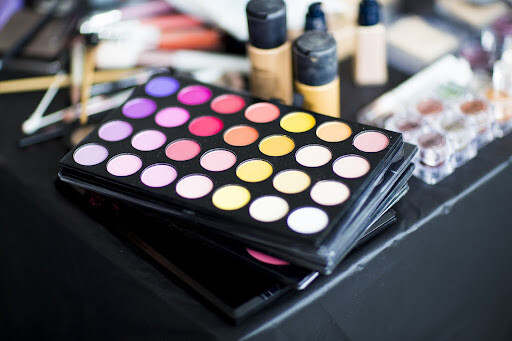
The South Korean government has unveiled a groundbreaking initiative to propel small and medium-sized enterprises (SMEs) in the cosmetics sector onto the global stage. By shifting from traditional, isolated export efforts to a collaborative "consortium-based" model, the program aims to bridge the gap between product excellence and actual retail success in international markets.
According to industry sources on the 19th, the Korea Health Industry Development Institute (KHIDI) is officially accepting applications until April 1st for its newly launched "K-Beauty Overseas Sales Outlets and Pop-up Store Support Project." This initiative marks the first practical execution of a strategic plan announced by KHIDI last year to bolster the global footprint of Korean skincare and makeup brands.
A Shift from Participation to Penetration
For years, government support for K-Beauty exports primarily focused on subsidizing individual companies to attend international trade fairs or facilitating brief meetings with foreign buyers. While helpful for exposure, these "one-off" interactions often failed to translate into sustainable sales or permanent distribution contracts.
The 2026 project addresses this bottleneck by requiring a consortium structure. In this model, specialized distribution and marketing firms take the lead, partnering with multiple SME cosmetic brands. This ensures that while the brands provide high-quality products, the distributors provide the necessary "last-mile" infrastructure, including logistics, local retail channels, and market-specific marketing expertise.
Three Pillars of Global Strategy: Testing, Branding, and Settlement
The project is strategically divided into three categories to meet the diverse needs of SMEs at different stages of internationalization:
1. Open-Call Pop-up Stores (Market Testing): This track focuses on "blue ocean" markets where K-Beauty has high potential but limited current penetration. Targeted countries include Denmark, Lithuania, Argentina, the United Kingdom, and Poland—totaling 14 nations. These pop-up stores will serve as "living labs" where brands can test consumer reactions, price sensitivity, and packaging concepts against local preferences.
2. Thematic Pop-up Stores (High-End Branding): To elevate the premium image of K-Beauty, KHIDI will link pop-up stores with world-renowned global events. Strategic locations include San Diego during "BIO USA" (the world’s largest biotech convention), Milan during "Milan Fashion Week," and Singapore, a premier IT and economic hub. This track is designed for high-functional bio-cosmetics and smart-tech skincare brands, aiming to align K-Beauty with global trends in science, fashion, and technology.
3. Permanent Sales Outlet Support (Market Settlement): For brands ready for a more permanent presence, this track supports distributors who have already established physical retail networks in target countries. Each distributor will manage a portfolio of at least 15 SME brands, providing continuous marketing and sales operations to ensure long-term market settlement.
Industry Expectations
The industry has reacted positively to this "results-oriented" approach. By lowering the financial and logistical barriers to entry, the government is enabling smaller players to compete in sophisticated markets that were previously out of reach.
"The biggest hurdle for K-Beauty SMEs has always been the initial cost of entry and the lack of reliable local partners," said an industry official. "By forming a team with experienced distributors from the start, we are moving away from mere 'exhibition' and toward 'execution.' This consortium model will likely become the new standard for how Korean consumer goods enter the global market."
As the global cosmetics landscape becomes increasingly competitive, this tactical shift by the South Korean government signals a determined effort to evolve K-Beauty from a cultural trend into a permanent pillar of global retail. With applications closing in early April, the first wave of these "K-Beauty Teams" is expected to hit international shores by the second half of 2026.
[Copyright (c) Global Economic Times. All Rights Reserved.]














