![[등록] 2026-09-01 15:48:31](/support/_updata/banner2/tl181982910_6749.png)


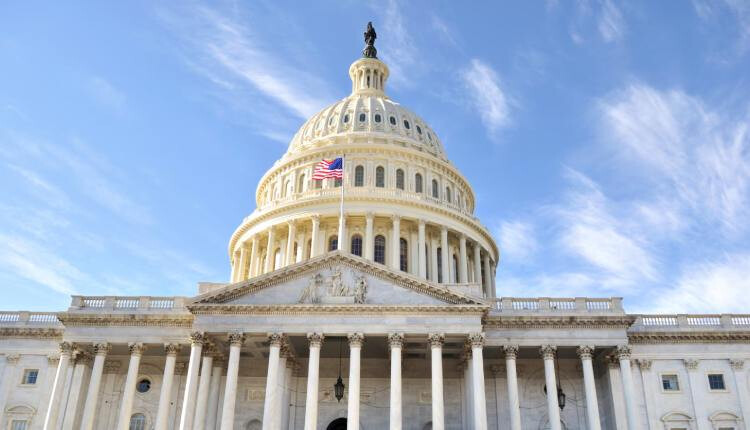
(C) Ommcom News
WASHINGTON D.C. — In a decisive move to safeguard long-standing alliances, the U.S. Senate passed the National Defense Authorization Act (NDAA) for Fiscal Year 2026 on December 17, 2024 (local time). Following its passage in the House on December 10, the bill now moves to President Donald Trump’s desk for signing.
The $901 billion defense policy bill—an $8 billion increase over the initial budget request—serves as a critical check on the executive branch’s authority to alter America’s global military footprint unilaterally.
Strategic Safeguards for the Korean Peninsula
The most significant highlight for the Indo-Pacific region is the reintroduction of strict constraints on reducing the number of U.S. Forces Korea (USFK) personnel. The 2026 NDAA explicitly prohibits the use of funds to reduce the number of U.S. troops in South Korea below the current level of 28,500.
While the previous Biden-era NDAAs expressed a commitment to maintaining this level, they lacked the budgetary "teeth" that this version provides. The provision reappears for the first time in five years, signaling congressional anxiety over potential shifts in the Trump administration's "America First" foreign policy. A waiver is permitted only if the Secretary of Defense certifies that a reduction is in the national security interest and involves thorough consultation with allies like South Korea and Japan.
European Stability and Global Aid
The bill extends similar protections to Europe. Defense Secretary Pete Hegseth is barred from reducing the number of permanent or stationed troops in Europe below 76,000 for more than 45 days without proving to Congress that such a move does not jeopardize national security or NATO stability.
Despite pushback from hardline isolationist factions, the NDAA authorizes:
$800 million in additional military aid for Ukraine.
Millions in strategic support for Israel, Taiwan, and Iraq.
A 3.8% pay raise for service members.
Accountability and Presidential Power
The 2026 NDAA also addresses controversial military actions and historical executive powers:
Transparency in Use of Force: Following allegations of "war crimes" during a September operation against suspected drug vessels near Venezuela, the bill mandates the public release of unedited combat footage to Congress. Failure to comply will result in a 25% cut to the Defense Secretary's travel budget.
Repeal of the AUMF: In a landmark shift, the bill repeals the Authorizations for Use of Military Force (AUMF) from 1991 and 2002. These laws previously allowed presidents to initiate military action without immediate congressional approval, a power used extensively during the Gulf and Iraq Wars.
Domestic Shifts: Reflecting the current political climate, the bill includes provisions to eliminate Diversity, Equity, and Inclusion (DEI) programs within the military and cuts funding for climate-related initiatives.
Why This Matters
By linking troop levels to the "power of the purse," Congress is asserting its constitutional role in foreign policy. For South Korea, this provides a legislative "tripwire" that prevents sudden shifts in the security landscape, ensuring that the ROK-U.S. alliance remains a cornerstone of stability in Northeast Asia despite potential fluctuations in executive rhetoric.
[Copyright (c) Global Economic Times. All Rights Reserved.]