![[등록] 2026-09-01 15:48:31](/support/_updata/banner2/tl181982910_6749.png)


(C) digiSchool
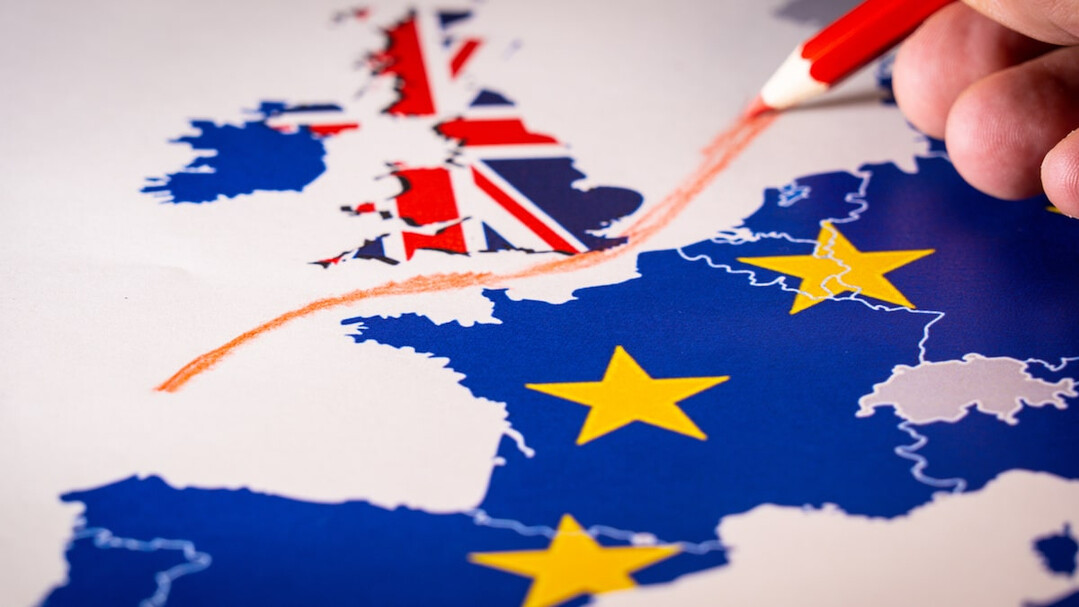
LONDON – In a move signaling a significant "reset" in relations between London and Brussels, the British government announced on Wednesday that the United Kingdom will officially rejoin the European Union’s flagship exchange program, Erasmus+, starting in the 2027–2028 academic year.
The decision marks the end of a six-year hiatus after the UK withdrew from the scheme in December 2020 following the conclusion of the Brexit transition period. Under the new agreement, the UK will contribute an annual participation fee of approximately £570 million ($720 million). Notably, the government revealed it secured a 30% discount compared to the standard contribution required from non-EU member states, a concession that reflects the "balanced benefits" for both British and European students.
Broadened Opportunities for a New Generation
The return to Erasmus+ is expected to benefit over 100,000 UK learners in its first year alone. Unlike the previous university-centric model, the modern "plus" version of the program offers diverse opportunities beyond traditional degree seeking:
Vocational Training: Apprentices and vocational students can gain work experience at leading European firms.
Staff & Youth Exchange: Teachers, sports coaches, and youth workers are eligible for professional development abroad.
Financial Ease: Students can spend up to a year at a European partner university without paying additional tuition fees, while receiving grants to help cover living and travel costs.
The Labour government emphasized that this deal aims to "break down barriers to opportunity," particularly for students from disadvantaged backgrounds who found the previous domestic replacement—the Turing Scheme—insufficient in covering the full scope of cultural and linguistic immersion that Erasmus+ provides.
Political Tensions and Strategic Shifts
While the educational sector has met the news with overwhelming enthusiasm, the decision has reignited fierce political debate. The opposition Conservative Party slammed the move as a "betrayal of Brexit," arguing that the government is "capitulating to Brussels' demands" and spending billions of taxpayer money without securing reciprocal trade concessions.
However, EU Relations Minister Nick Thomas-Symonds defended the pact, stating, "This is a huge win for our young people. It proves that our new partnership with the EU is working, focusing on future skills and economic growth rather than the ideologies of the past."
Beyond Education: A Greener, Closer Future
The Erasmus+ agreement was announced as part of a broader package of cooperation. Negotiators also confirmed plans to integrate electricity markets and finalize a food and drink trade deal by next year. While Prime Minister Keir Starmer has ruled out rejoining the EU Single Market or Customs Union, this move clearly illustrates a strategic shift toward closer alignment with Europe on social and economic fronts.
As the UK prepares for its 2027 return, educational institutions are already gearing up to rebuild the "academic bridges" that were partially dismantled over the last half-decade.
[Copyright (c) Global Economic Times. All Rights Reserved.]