• 2026.11.28 (Sat)
  • All articles
  • LOGIN
  • JOIN
Global Economic Times
한인동포뉴스(상단)
  • Synthesis
  • World
  • Business
  • Industry
  • ICT
  • Distribution Economy
  • Well+Being
    • Pet Life
    • Halal Horizon
  • Travel
  • Eco-News
  • Education
  • Korean Wave News
  • Opinion
  • Arts&Culture
  • Sports
  • People & Life
    • International Student Report
    • With Ambassador
  • Column
    • Cho Kijo Column
    • Cherry Garden Story
    • Ko Yong-chul Column
    • Kim Bong-seon's Photo Column
    • Kim Seul-Ong Column
    • Lee Yeon-sil Column
    • Professor Lee Soo-young’s Life Essays
  • Photo News
  • New Book Guide
MENU
 
Home > Synthesis

South Korea’s Empty Promise of a Dignified Death: Why Policy Reforms Have Failed Terminal Patients

KO YONG-CHUL Reporter / Updated : 2026-11-28 05:49:55
  • -
  • +
  • Print
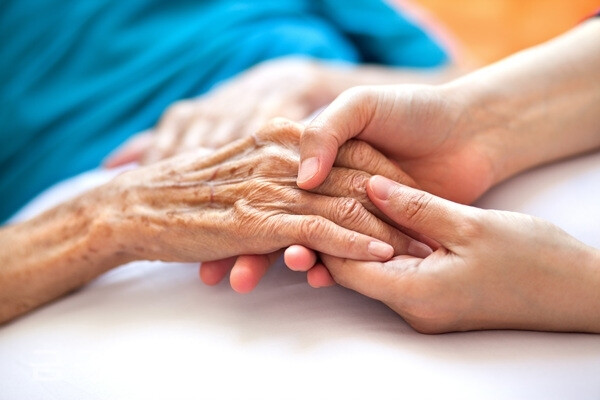
Despite years of legislation aimed at curbing futile end-of-life interventions, severe infrastructure shortages, regulatory loopholes, and public NIMBYism continue to deny dying patients a peaceful exit.


SEOUL — More than three-quarters of South Koreans now spend their final hours inside a hospital, yet the nation’s healthcare system remains overwhelmingly geared toward prolonging biological life rather than easing the process of dying. For thousands of terminally ill patients, the gap between legal rights and clinical reality often ends in crowded emergency rooms, intensive care units, or makeshift treatment areas.

Over the past decade, South Korea has introduced landmark legislation intended to respect patient autonomy at the end of life. The Life-Sustaining Treatment Decisions Act, enacted in 2018, allows patients to legally refuse invasive procedures such as mechanical ventilation and cardiopulmonary resuscitation. More recently, following a surge in public debate over physician-assisted dying—fueled by surveys showing over 80 percent public support for euthanasia and high-profile cases of citizens traveling to Switzerland to end their lives—lawmakers mandated that general hospitals establish dedicated end-of-life care rooms.

On paper, these reforms signal progress. Inside hospital wards, however, clinicians and patient advocates argue that the system remains fundamentally broken.

Paperwork Over Palliative Care

A central flaw lies in how end-of-life choices are communicated and implemented. In practice, life-sustaining treatment consultations often devolve into bureaucratic liability exercises, confronting distressed patients and families with intimidating lists of medical interventions rather than clearly explaining the alternative: palliative care.

Many patients—and even medical staff—mistakenly assume that opting out of life-sustaining treatment requires transferring to a standalone hospice facility. Because South Korea’s chronically low national health insurance reimbursement rates discourage hospitals from operating hospice units, bed capacity has stagnated nationwide. Patients frequently wait over a month for a transfer, with many passing away before a bed ever opens. In theory, general hospitals are supposed to provide pain management and a private room during a patient’s final days even without a specialized hospice ward. In reality, acute-care hospitals lack both the training and the physical space to deliver it.

A Regulatory Loophole

The recent mandate requiring hospitals to operate end-of-life care rooms illustrates the half-hearted nature of current enforcement. Under the government’s enforcement decree, any hospital with 300 or more beds is required to install just a single end-of-life room.

This uniform standard means a regional 300-bed facility and a massive 2,000-bed tertiary medical center in Seoul face the exact same minimum requirement. In mega-hospitals where dozens of patients may be nearing death on any given day, securing that lone room is nearly impossible. Left without a dignified alternative, families frequently abandon plans for palliative care and rush loved ones to major metropolitan hospitals in pursuit of slim survival odds, driving up rates of invasive end-of-life interventions.

Confronting Social Hypocrisy

Healthcare experts note that policy failures cannot be blamed solely on lawmakers and hospital administrators; they also mirror deep-seated societal contradictions.

While citizens vocally demand the right to a peaceful death, local communities routinely mobilize against the construction of public medical centers and hospice facilities, fearing negative impacts on neighborhood image and property values. Conversely, plans to attract prestigious university-affiliated hospitals are widely celebrated as real estate boons. Similarly, public calls for the right to die at home rarely translate into support for local home-visit medical clinics capable of managing severe pain outside hospital walls.

Modern medicine has dramatically expanded South Korea’s capacity to treat disease and extend life, yet the social infrastructure required to support a painless, dignified exit has been left behind. Until both policymakers and the public prioritize palliative care with the same urgency as cutting-edge medical technology, the legal right to die with dignity will remain largely an illusion.

[Copyright (c) Global Economic Times. All Rights Reserved.]

  • #Cherry Garden
  • #HalalFood
  • #Halal
  • #Petlife
  • #Cats
  • #Dogs
  • #Halalhorizone
  • #Hormuz Impasse
  • #Joseon
  • #globaleconomicti
KO YONG-CHUL Reporter
Reporter Page

Popular articles

  • Culinary Mashups and Nostalgia with a Twist: South Korea’s F&B Giants Vie for Consumer Attention

  • Japanese Hotel Prices Surge Nearly 9% Amid Booming Korean Tourism

  • NVIDIA Expands Local AI Horizons with RTX Spark Laptops for Offline Creators

I like it
Share
  • Facebook
  • X
  • Kakaotalk
  • LINE
  • BAND
  • NAVER
  • https://www.globaleconomictimes.kr/article/1065559753229176 Copy URL copied.
Comments >

Comments 0

Weekly Hot Issue

  • North Korean Hackers Begin Laundering Billions Stolen from Binance
  • Trump Dismisses Security Concerns Over Nvidia CEO’s Return, Citing "Great Deal of Information"
  • UN Tribunal Rules UNRWA Wrongfully Terminated Staff Over Unverified Israeli Claims
  • Man in His 20s Sentenced to 3 Years in Prison and Detained in Court for Illegally Filming Junior Soldier’s Body and Distributing It in Group Chat
  • Government Pushes to Recommend Limiting Consecutive Night Shifts to 3 Days or Less; Early-Morning Delivery Excluded
  • Suwon Veterinary Center Hits Milestone of 100 Minimally Invasive Spine Surgeries in Pets

Most Viewed

1
Exercise Beats Diet in Extending Lifespan, Major Review Finds
2
Memory Chip Rout Deepens as Wall Street Questions AI Spending and DRAM Pricing
3
South Korean Burger Chain Lotteria Expands Singapore Footprint with Halal Certification and New Teriyaki Lineup
4
AI Semiconductor Stocks Plummet: Philadelphia Index Drops 5.28% and Micron Plunges 7.59% Amid Executive Shakeup and Export Restrictions
5
"Stay Out, Get Paid, or Have Police Stay With You": Shenzhen Imposes Strict Security Ahead of APEC Summit
체리가든 스토리
nutri huevos
로타리
동포저널

Hot Issue

GOP Fractures Over Trump Tariffs as Inflation Concerns Mount Post-Midterms

South Korea Moves to Mandate Domestic Chips in Security Infrastructure and Launch Strategic Export Fund

Experts Urge Focus on AI Infrastructure, Cautious Asset Allocation Ahead of 2027

Fashion Runway Show 2026

Let’s recycle the old blankets in Jeju Island’s closet instead of incinerating them.

Global Economic Times
korocamia@naver.com
CEO : LEE YEON-SIL
Publisher & Editor : KO YONG-CHUL
Registration number : Seoul, A55681
Registration Date : 2024-10-24
Youth Protection Manager: KO YONG-CHUL
Singapore Headquarters
5A Woodlands Road #11-34 The Tennery. S'677728
Korean Branch
Phone : +82(0)10 4724 5264
#304, 6 Nonhyeon-ro 111-gil, Gangnam-gu, Seoul
Copyright © Global Economic Times All Rights Reserved
  • News K
  • 반달곰 프로젝트
  • 광고문의
Search
Category
  • All articles
  • Synthesis
  • World
  • Business
  • Industry
  • ICT
  • Distribution Economy
  • Well+Being 
    • 전체
    • Pet Life
    • Halal Horizon
  • Travel
  • Eco-News
  • Education
  • Korean Wave News
  • Opinion
  • Arts&Culture
  • Sports
  • People & Life 
    • 전체
    • International Student Report
    • With Ambassador
  • Column 
    • 전체
    • Cho Kijo Column
    • Cherry Garden Story
    • Ko Yong-chul Column
    • Kim Bong-seon's Photo Column
    • Kim Seul-Ong Column
    • Lee Yeon-sil Column
    • Professor Lee Soo-young’s Life Essays
  • Photo News
  • New Book Guide
  • Overseas Koreans
  • Multicultural News