

WASHINGTON — U.S. President Donald Trump issued a stern warning to American tech giants on Friday, threatening severe taxes and sanctions against companies that construct data centers abroad, while simultaneously calling for Nvidia to reinstate its former chief executive, Jensen Huang.
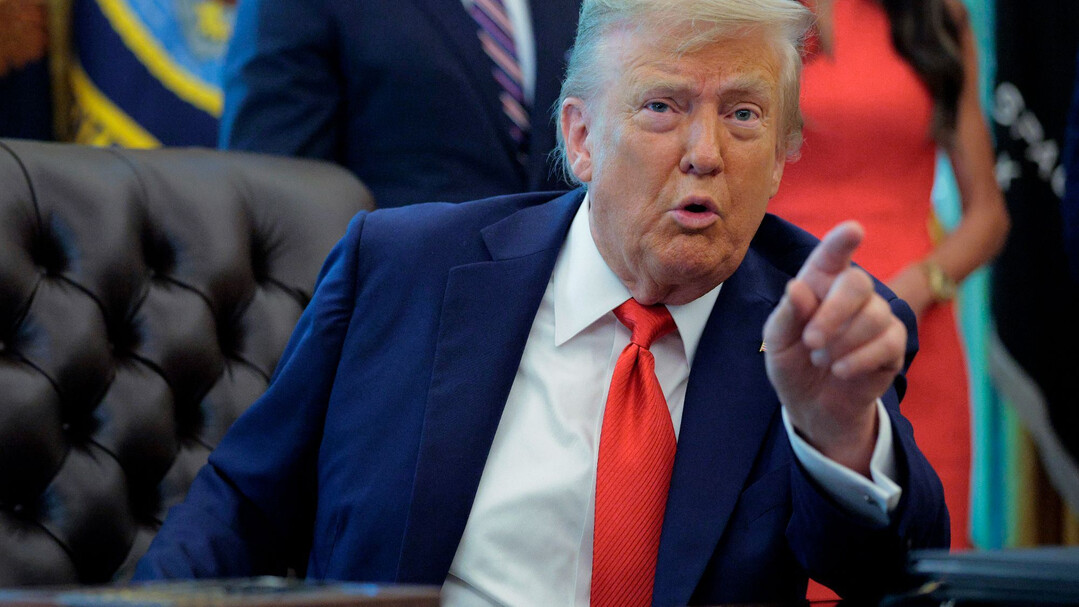
Speaking to reporters at a White House press briefing, Trump framed both issues around protecting American technological supremacy. Addressing Huang’s recent resignation following a personal scandal, the president urged the chipmaker's board to forgive the executive, crediting him as the driving force behind the company's advanced "Blackwell" artificial intelligence chips.
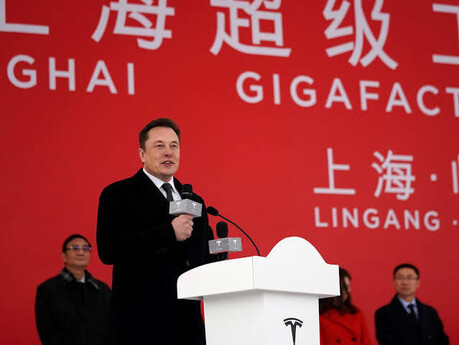
"America is a country that gives second chances," Trump stated, comparing Huang to Tesla CEO Elon Musk, whom Trump noted he had defended during his first term. "If Nvidia is smart, they will take this brilliant talent back, accept his apology, and let him work again."
Despite Trump's endorsement—and Huang's own indication earlier in the week that he is open to returning—Nvidia’s leadership remains opposed. Board Chairman Harvey Jones recently ruled out any plans to bring Huang back. Trump also noted that he had briefly discussed Huang with Chinese President Xi Jinping during a recent trip to Beijing, where both leaders acknowledged the executive's talent, though Trump steered clear of addressing circulating espionage rumors.
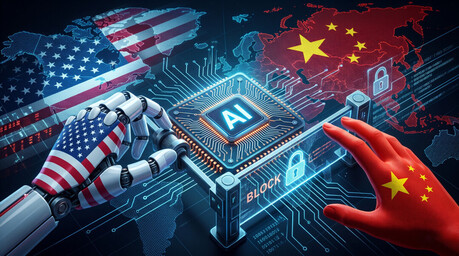
On the broader front of tech policy, Trump doubled down on strict export controls regarding China, insisting that the U.S. will only permit the sale of older-generation semiconductors abroad. He asserted that the U.S. maintains a decade-long lead in chip manufacturing and vowed to keep cutting-edge hardware like Blackwell strictly out of foreign hands until the technology becomes obsolete.
To keep AI infrastructure domestic, Trump declared his administration would block U.S. firms from building offshore data centers through punitive financial measures. He singled out Google's major data center project in Finland as an example of overseas expansion his administration intends to stop, though he acknowledged he has not yet finalized the specific mechanisms or timelines for these sanctions with his advisors.
Domestically, the rapid expansion of power-hungry data centers has sparked voter anxiety over rising utility costs—an issue widely blamed for recent Republican losses in the midterm elections. Trump dismissed those fears, arguing that tech companies will generate their own power, ultimately driving down electricity bills for everyday Americans while boosting tax revenues.
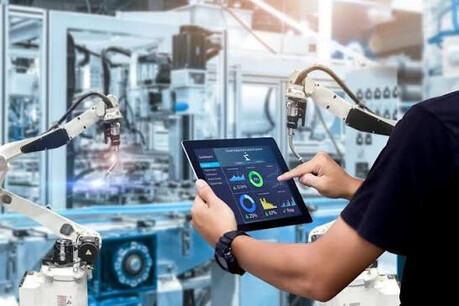
The president concluded his remarks by touting a revival in U.S. domestic manufacturing, reiterating his long-standing grievance that foreign nations—specifically naming South Korea, Japan, Germany, Canada, and Mexico—had previously "stolen" the American automotive industry, which he claimed is now returning under his administration's policies.
[Copyright (c) Global Economic Times. All Rights Reserved.]