

SHENZHEN — Japanese Prime Minister Sanae Takaichi is facing mounting domestic scrutiny over Japan’s diplomatic standing after returning from the Asia-Pacific Economic Cooperation (APEC) summit in Shenzhen, China. As Washington, Beijing, and Moscow engaged in high-profile trilateral talks, analysts and Japanese media outlets have raised concerns that Tokyo was sidelined from key geopolitical negotiations.
Protocol Disparities and Visible Alienation
Reports from major Japanese dailies, including the Asahi Shimbun and the Mainichi Shimbun, highlighted stark differences in diplomatic protocol upon the leaders' arrival on November 18. While Chinese President Xi Jinping personally welcomed U.S. President Donald Trump with a military band, and Politburo Standing Committee member Cai Qi greeted Russian President Vladimir Putin, Prime Minister Takaichi was received by Zhang Qiyue, a retired diplomat and former ambassador to Greece. The South China Morning Post noted that the rank of Japan's greeter was significantly lower than those assigned to other visiting heads of state, such as South Korean President Lee Jae-myung.
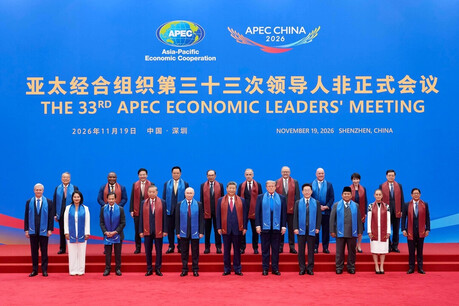
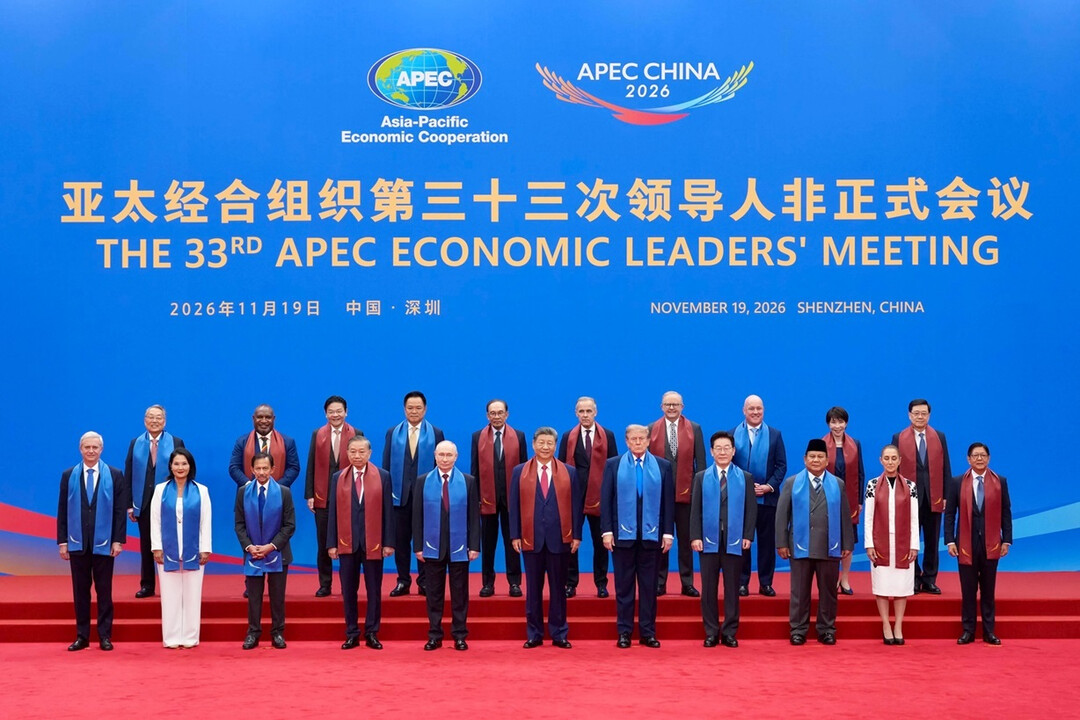
Inside the summit venue, visual cues further fueled debate over Tokyo's marginalization. During the official group photograph on November 19, Takaichi was positioned at the far end of the back row, distant from the central handshake among Trump, Xi, and Putin. Similarly, seating arrangements placed her seven seats away from Xi. Footage circulating on Japanese social media showing Takaichi sitting alone on a sofa during an intermission—while other leaders, including President Lee via an interpreter, mingled—prompted commentary from observers like Arc Times editor-in-chief Toshihiko Ogata, who remarked that Japan appeared isolated on the periphery of global diplomacy.
Strained Ties with Beijing and Friction with Washington
The summit underscored the ongoing freeze in Sino-Japanese relations, which deteriorated following Takaichi’s remarks last year suggesting potential Japanese military involvement in a Taiwan Strait contingency. Beijing subsequently tightened export controls on critical minerals vital to Japan's automotive and semiconductor sectors. Breaking a precedent set since 2022, no formal bilateral summit between Tokyo and Beijing took place on the sidelines of APEC, with interactions limited to brief handshakes.
Simultaneously, Tokyo's reliance on its alliance with Washington faced a reality check. Takaichi did not secure a face-to-face bilateral meeting with President Trump during the summit, instead receiving a briefing on the U.S.-China-Russia talks via a 20-minute phone call after returning to Tokyo on November 19.
During their unprecedented trilateral summit, Trump, Xi, and Putin issued a joint peace declaration that notably criticized alleged overreach by international judicial bodies, including the International Criminal Court (ICC). The statement put Tokyo in an awkward position, as Japan is the single largest financial contributor to the ICC—funding roughly 15 percent of its budget—and the court is currently led by Japanese President Tomoko Akane.
Disputed Contact with Moscow and Domestic Backlash
Further complicating the diplomatic fallout is a dispute over Takaichi's sole bilateral engagement at the summit. Tokyo announced that Takaichi held a 30-minute discussion with President Putin on the evening of November 18 regarding the detention of a Hokkaido Shimbun journalist and the seizure of Japan Tobacco Inc. assets. However, Kyodo News and TV Asahi reported that Kremlin spokesman Dmitry Peskov denied any such contact occurred, and Moscow released no official readout of a meeting.
While Prime Minister Takaichi defended her overseas trip by pointing to tangible progress at the Quad summit in the Philippines on November 17, domestic calls for a strategic recalibration are growing. According to Jiji Press, officials within the Japanese government are increasingly wary that regular direct consultations among the U.S., China, and Russia could evolve into a "New Yalta" framework, leaving regional powers like Japan excluded from shaping the international order.
[Copyright (c) Global Economic Times. All Rights Reserved.]