• 2026.11.27 (Fri)
  • All articles
  • LOGIN
  • JOIN
Global Economic Times
한인동포뉴스(상단)
  • Synthesis
  • World
  • Business
  • Industry
  • ICT
  • Distribution Economy
  • Well+Being
    • Pet Life
    • Halal Horizon
  • Travel
  • Eco-News
  • Education
  • Korean Wave News
  • Opinion
  • Arts&Culture
  • Sports
  • People & Life
    • International Student Report
    • With Ambassador
  • Column
    • Cho Kijo Column
    • Cherry Garden Story
    • Ko Yong-chul Column
    • Kim Bong-seon's Photo Column
    • Kim Seul-Ong Column
    • Lee Yeon-sil Column
    • Professor Lee Soo-young’s Life Essays
  • Photo News
  • New Book Guide
MENU
 
Home > World

Washington Threatens 40% Tariffs Over Overcapacity, Testing Fragile U.S.-China Trade Truce

Ana Fernanda Reporter / Updated : 2026-11-27 06:10:24
  • -
  • +
  • Print


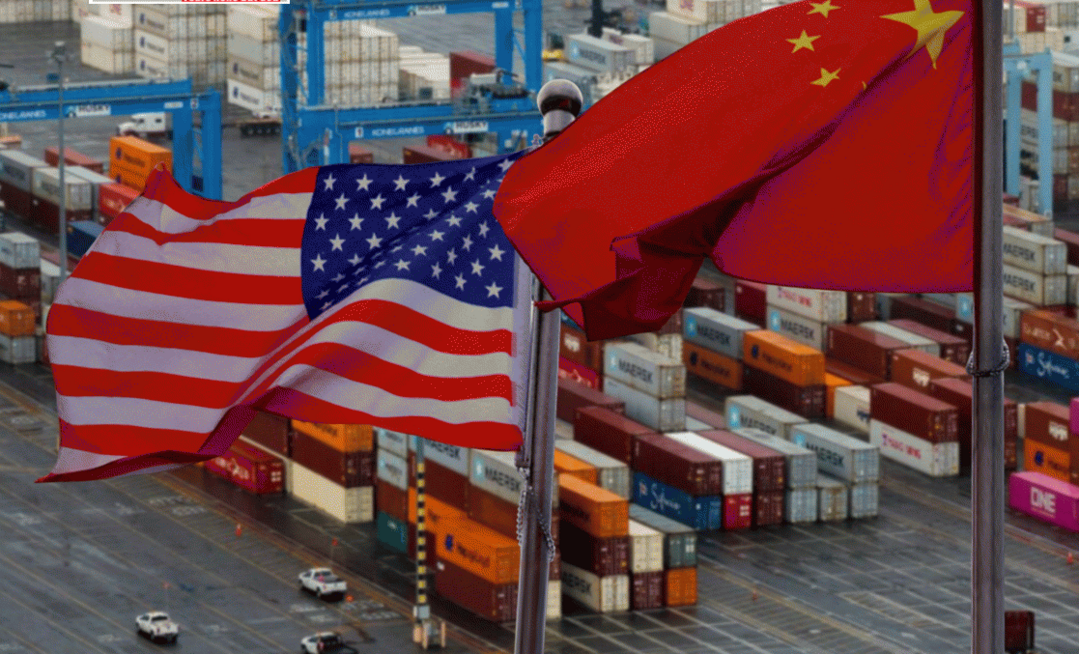
WASHINGTON / BEIJING — Trade friction between the world’s two largest economies has resurfaced after the Trump administration unveiled a new tariff proposal targeting industrial overcapacity, prompting a sharp rebuke from Beijing just weeks before a high-stakes bilateral summit in Miami.

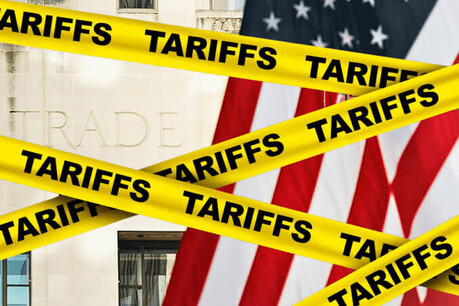
On Wednesday, the Office of the United States Trade Representative (USTR) announced plans to levy additional duties on 14 major economies—including China, South Korea, Japan, and the European Union—following a Section 301 investigation into excess industrial production. Under the proposal, Chinese imports face new duties of up to 20%. Crucially, Washington warned that the rate could double to 40% if the current bilateral trade truce is not renewed before its January 10 expiration.

Beijing Warns of Retaliation

China’s Ministry of Commerce swiftly condemned the announcement on Thursday. Spokesperson He Yadong described the U.S. move as a violation of World Trade Organization (WTO) norms that disrupts global economic stability, vowing that Beijing reserves the right to take necessary countermeasures to defend its interests. State-run media echoed the sentiment, warning that unilateral tariffs threaten to unravel recent diplomatic progress.

The clash comes despite active working-level diplomacy earlier this month, including inaugural talks by the U.S.-China Trade Committee and agricultural trade discussions in Beijing. However, Washington has grown increasingly frustrated over what it views as sluggish compliance with previous truce terms—specifically China’s failure to restore rare earth mineral exports to pre-restriction levels and fulfill commitments to buy American agricultural goods.

Calculated Pressure Ahead of Miami Talks

Despite the aggressive headline figures, trade observers note that the White House has carefully calibrated the rollout to avoid triggering an immediate collapse of the truce.

To keep overall duty levels near previously agreed ceilings, the USTR will not stack the new overcapacity tariffs onto forced-labor tariffs enacted in July. Furthermore, roughly $30 billion in consumer goods previously slated for tariff relief by the bilateral trade committee have been exempted from the latest measures.

Analysts suggest both nations are incentivized to avoid a full-blown tariff war. While steep U.S. duties would squeeze China’s export-reliant economy, Beijing holds significant leverage through its dominance over critical mineral supply chains—a chokepoint that could severely disrupt U.S. manufacturing if weaponized again.

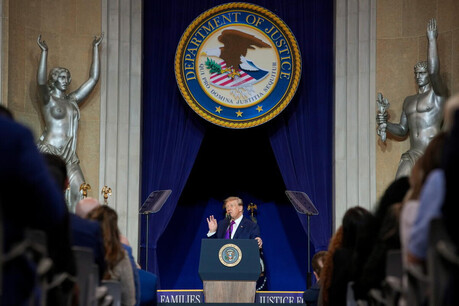
All eyes now turn to Miami next month, where President Donald Trump and Chinese President Xi Jinping are set to meet for their fourth summit this year. Whether the two leaders can bridge their divides over critical minerals, farm purchases, and industrial policy will determine if the trade truce survives into the new year or gives way to renewed economic confrontation.

[Copyright (c) Global Economic Times. All Rights Reserved.]

  • #Cherry Garden
  • #HalalFood
  • #Halal
  • #Petlife
  • #Cats
  • #Dogs
  • #Halalhorizone
  • #Hormuz Impasse
  • #Joseon
  • #globaleconomicti
Ana Fernanda Reporter

Popular articles

  • US Army Conducts Rare Temporary Burial Drills to Prepare for Worst-Case Large-Scale War Scenarios

  • "Stay Out, Get Paid, or Have Police Stay With You": Shenzhen Imposes Strict Security Ahead of APEC Summit

  • US Midterm Elections Complicate Trade Calculus... Persistent Uncertainty Over Tariffs and Investment

I like it
Share
  • Facebook
  • X
  • Kakaotalk
  • LINE
  • BAND
  • NAVER
  • https://www.globaleconomictimes.kr/article/1065560951886394 Copy URL copied.
Comments >

Comments 0

Weekly Hot Issue

  • Trump Backed Nvidia CEO’s Return Despite Divided U.S. Intelligence and Lack of NSC Review
  • U.S. Faces "Double Standard" Backlash Over Sweeping Overcapacity Tariffs Targeting 14 Economies
  • New U.S. Tariffs Spark Inflation Fears and Media Backlash Amid Rising Prices
  • Thanksgiving Nor’easter Batters U.S. East Coast, Leaving 550,000 Without Power and Halting Iconic Parade
  • Why Dementia Financial Planning Is Really About Self-Preservation
  • Hyundai Green Food Shares Tumble 8% as 150 Billion Won Healthcare Deal Dampens Dividend Hopes

Most Viewed

1
Exercise Beats Diet in Extending Lifespan, Major Review Finds
2
South Korean Burger Chain Lotteria Expands Singapore Footprint with Halal Certification and New Teriyaki Lineup
3
AI Semiconductor Stocks Plummet: Philadelphia Index Drops 5.28% and Micron Plunges 7.59% Amid Executive Shakeup and Export Restrictions
4
"Stay Out, Get Paid, or Have Police Stay With You": Shenzhen Imposes Strict Security Ahead of APEC Summit
5
Taiwan Bans Short-Selling Below Previous Close Starting Nov. 23, Raises Margin Ratio to 150%
체리가든 스토리
nutri huevos
로타리
동포저널

Hot Issue

New U.S. Tariffs Spark Inflation Fears and Media Backlash Amid Rising Prices

Why Dementia Financial Planning Is Really About Self-Preservation

Concentrated Korean ETFs Plunge Up to 59% as Chip and Defense Rallies Unwind

Fashion Runway Show 2026

Let’s recycle the old blankets in Jeju Island’s closet instead of incinerating them.

Global Economic Times
korocamia@naver.com
CEO : LEE YEON-SIL
Publisher & Editor : KO YONG-CHUL
Registration number : Seoul, A55681
Registration Date : 2024-10-24
Youth Protection Manager: KO YONG-CHUL
Singapore Headquarters
5A Woodlands Road #11-34 The Tennery. S'677728
Korean Branch
Phone : +82(0)10 4724 5264
#304, 6 Nonhyeon-ro 111-gil, Gangnam-gu, Seoul
Copyright © Global Economic Times All Rights Reserved
  • News K
  • 반달곰 프로젝트
  • 광고문의
Search
Category
  • All articles
  • Synthesis
  • World
  • Business
  • Industry
  • ICT
  • Distribution Economy
  • Well+Being 
    • 전체
    • Pet Life
    • Halal Horizon
  • Travel
  • Eco-News
  • Education
  • Korean Wave News
  • Opinion
  • Arts&Culture
  • Sports
  • People & Life 
    • 전체
    • International Student Report
    • With Ambassador
  • Column 
    • 전체
    • Cho Kijo Column
    • Cherry Garden Story
    • Ko Yong-chul Column
    • Kim Bong-seon's Photo Column
    • Kim Seul-Ong Column
    • Lee Yeon-sil Column
    • Professor Lee Soo-young’s Life Essays
  • Photo News
  • New Book Guide
  • Overseas Koreans
  • Multicultural News